Best Cigar Lighters & Torches
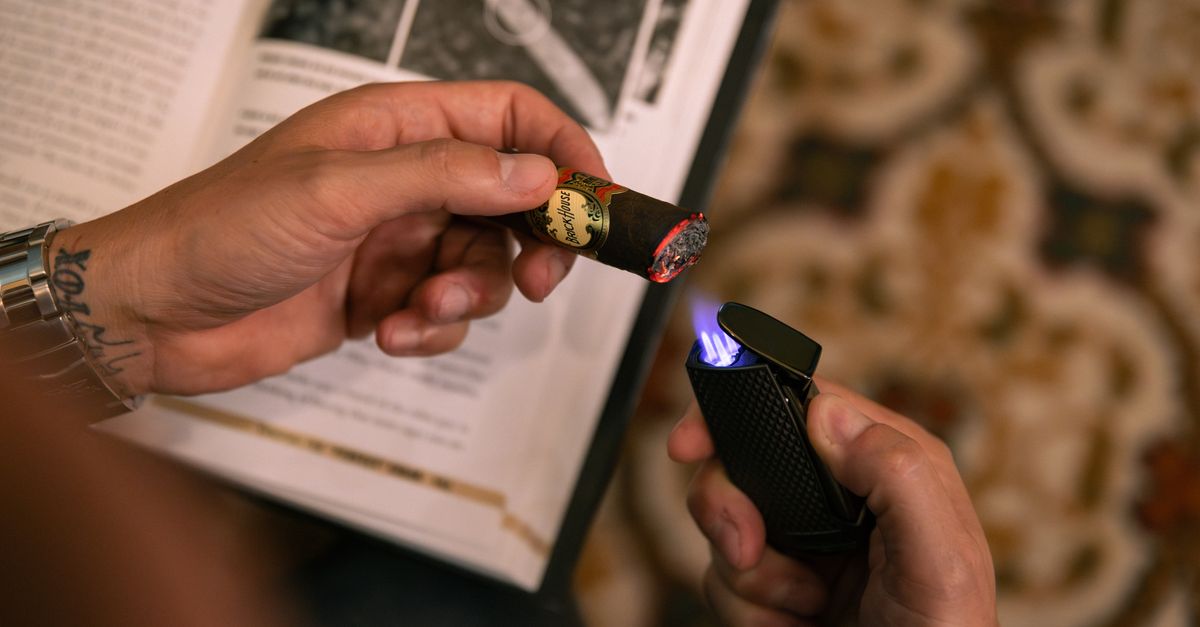
A torch lighter is the go-to tool for lighting cigars. Its hot, focused butane flame evenly toasts the foot without affecting the flavor. Because it burns much hotter than a soft flame and holds up well in the wind, it gives you a quick, clean, even light.
The wrong lighter can do the opposite. A fluid Zippo or a weak match may cause an uneven burn or leave an off taste that spoils the first inch of the cigar.
"Torch lighter" and "jet lighter" refer to the same tool. Both terms appear in cigar shops and product listings, so this guide uses them interchangeably.
You'll learn why butane torches outperform the alternatives, how many jets you really need, and which lighter best suits your cigars and your routine.
Our Top Picks
How we pick: we weigh quality, real-world performance, and value across strengths and budgets — and only list what we’d actually buy. Buying through our links may earn us a commission at no extra cost to you.
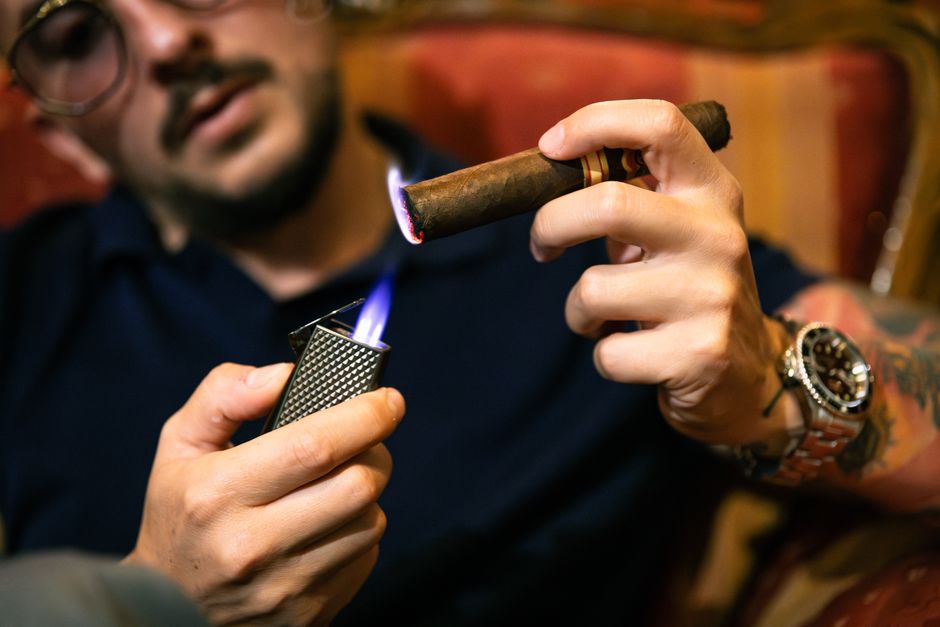
The everyday torch most smokers should own. One precise jet, an easy fuel window, and XIKAR’s lifetime warranty — it lights a cigar evenly without the fuss of a multi-jet.
Check price on Amazon →- Best Overall
XIKAR Allume Single-Jet Cigar Lighter
A reliable single-flame light you carry every day.
The everyday torch most smokers should own. One precise jet, an easy fuel window, and XIKAR’s lifetime warranty — it lights a cigar evenly without the fuss of a multi-jet.
Check price on Amazon →- Clean, consistent single jet
- Fuel window so you never run dry mid-light
- Lifetime warranty
- Single flame is slower to toast in wind
- Best Budget
RONXS Triple-Jet Butane Torch Lighter
A cheap, windproof torch that just works.
The smart first torch if you’re not ready to spend. Three jets light a cigar quickly even in a breeze, and at this price a replacement is painless.
Check price on Amazon →- Triple flame toasts fast
- Refillable with any butane
- Costs almost nothing
- Build feels plasticky
- Longevity varies unit to unit
- Best Upgrade
Lotus Czar Triple-Flame Torch Lighter
A powerful, premium-feeling triple flame.
When you want a torch that feels like a tool. The triple flame toasts a big ring gauge fast, and the built-in punch means one thing in your pocket instead of two.
Check price on Amazon →- Strong, even toast
- Fold-out cigar punch built in
- Sturdy metal body
- Burns through fuel faster
- Pricier than you strictly need
- Best for the Money
Vertigo Cyclone Quad-Flame Table Lighter
Fast quad-flame toasting at home.
A tabletop workhorse for the price of lunch. Four jets give you the fastest, most even toast here — ideal sitting on the table at home, less so in your jacket.
Check price on Amazon →- Four jets toast a foot in seconds
- Large fuel tank
- Very cheap
- Bulky — not pocket-friendly
| Pick | Best for | Price | |
|---|---|---|---|
| Best OverallXIKAR Allume Single-Jet Cigar Lighter | A reliable single-flame light you carry every day. | $45 | Check price → |
| Best BudgetRONXS Triple-Jet Butane Torch Lighter | A cheap, windproof torch that just works. | $16 | Check price → |
| Best UpgradeLotus Czar Triple-Flame Torch Lighter | A powerful, premium-feeling triple flame. | $60 | Check price → |
| Best for the MoneyVertigo Cyclone Quad-Flame Table Lighter | Fast quad-flame toasting at home. | $13 | Check price → |
Prices are indicative and change often — tap through for the live price on Amazon.
Why a butane torch, not soft flame or lighter fluid
A butane torch is best for cigars because it burns clean and hot, while lighter fluid leaves chemical flavors and a soft flame struggles to light a thick foot. Naphtha lighter fluid, the kind in a classic Zippo, gives off fumes that soak into the tobacco and taint the first puffs. Butane burns odorless and tasteless.
The case for a butane torch lighter:
- Clean fuel. Butane combusts without leaving flavor on the tobacco.
- High heat. A torch toasts a full cigar foot in seconds, not minutes.
- Wind resistance. A focused jet stays lit in a breeze that would kill a soft flame.
For technique once you have the right tool, see how to light a cigar.
Single vs. double vs. triple jet
The number of jets controls how fast and evenly a torch lights a cigar, with more jets covering a wider foot. A single jet is precise and fuel-efficient; double and triple jets light bigger cigars faster. The right count depends mostly on your ring gauge.
Here is how jet counts compare:
| Jets | Flame profile | Best for | Trade-off |
|---|---|---|---|
| Single jet | Narrow, pinpoint | Small to medium cigars, precision | Slower on thick cigars |
| Double jet | Wider, fast | Most everyday cigars | Uses more fuel |
| Triple jet | Broad, very fast | Large ring gauge cigars | Higher fuel burn |
| Quad jet | Widest, fastest | Big cigars, windy outdoor use | Heaviest fuel use |
A single jet is a fine everyday choice and sips fuel. A double or triple jet shines on large ring gauges and outdoors where speed matters. Going from single vs double vs triple jet is mostly a trade between precision and speed.
Fuel quality and refilling
Use triple-refined butane to keep a torch lighter running clean and clog-free. Cheap, impure butane leaves residue that clogs the jets and shortens the lighter's life. Premium butane burns cleaner and feeds a steadier flame.
Refilling tips that keep a torch healthy:
- Buy refined butane. Look for "triple-refined" or "premium" on the can.
- Bleed the tank first. Press the fill valve to release old gas and trapped air before refilling.
- Let it rest. Wait a minute or two after filling so the cold gas settles before lighting.
A well-maintained torch from a brand like Xikar, Colibri, or Visol can last for years. Always store and use lighters away from heat sources.
The fill valve at the lighter's base is a small spring-loaded pin. Pressing a butane canister nozzle against the valve depresses the pin to open the intake, and releasing the nozzle lets the spring reseat and seal the tank. Depressing that same pin with nothing attached vents trapped air and old gas out of the opening first, ensuring fresh fuel flows in cleanly without hitting early resistance.
Cleaning a clogged jet
Clear a clogged jet with compressed or canned air or a soft-bristle brush — never a metal pin, which can widen or otherwise damage the tiny orifice and ruin the flame shape permanently. Bleed the remaining fuel from the tank first, then work the air or brush into the jet opening to dislodge the residue that impure butane leaves behind. If cleaning doesn't restore a clean, steady flame, replace the lighter rather than force it; a widened or misshapen jet cannot be repaired.
Refilling safely
Refill a butane torch in a well-ventilated area, away from open flame or other heat sources like candles, stovetops, or a hot car interior. Don't overfill past the fill valve's stop point — stop as soon as it clicks or resists. Never puncture a butane canister or expose it to high heat, since butane is pressurized and flammable.
How to Refill a Butane Torch Lighter
Refilling a butane torch lighter comes down to purging trapped air from the tank, inverting the lighter, and pressing the fuel nozzle into the valve in short bursts. The tips above cover fuel quality and safety; here is the step-by-step mechanics of the fill itself, from empty to ready:
- Purge the fuel tank. Before adding fresh fuel, bleed leftover gas and compressed air out of the reservoir using the lighter's own purge/fill valve (check your model's instructions for the exact release point) until hissing stops.
- Turn the lighter upside down. Keep the fill valve pointed upward and the butane canister pointed straight down. Inverting both pieces lets liquid butane flow directly into the reservoir instead of pocketing air.
- Align and insert the nozzle. Place the butane can nozzle directly over the fill stem. Press firmly downward so the nozzle seals against the valve without letting gas spray out around the rim.
- Fill in short bursts. Press down firmly for two to three seconds, release for one second, and repeat two or three times. Short bursts prevent pressure spikes and keep fuel from splashing out of the inlet.
- Wipe away condensation and let the fuel settle. Rapid gas expansion creates cold condensation on the lighter casing. Wipe off the moisture and wait 1 to 2 minutes so the liquid butane reaches room temperature before you ignite it.
If the flame still sputters or won't light after a refill, see the troubleshooting FAQ below.
Wind resistance and outdoor use
Torch lighters resist wind far better than soft flames because their pressurized jet holds shape in a breeze. For patios, golf courses, and other outdoor smoking, a multi-jet torch is the reliable choice. The more jets, the harder the flame is to blow out.
What helps outdoors:
- Multiple jets create a broad, stubborn flame.
- A wind-resistant housing shields the flame opening.
- A fuel window lets you check the tank before heading out, so you are not caught empty.
If you mostly smoke outside, lean toward a double or triple jet with a visible fuel level.
The soft flame exception
A soft flame lighter is acceptable for delicate, thin cigars where a torch could scorch the wrapper. Some experienced smokers prefer a butane soft flame for the gentlest possible light on premium thin cigars. It must still burn butane, never lighter fluid.
When a soft flame makes sense:
- Thin, delicate cigars where a torch's heat risks overheating the wrapper.
- Indoor, still air where wind is not a factor.
- Slow, deliberate lighting by smokers who enjoy the ritual.
For most people and most cigars, a torch is still the more practical, forgiving tool. A soft flame is a refinement, not a starting point.
Torch vs soft flame lighter: head-to-head
A torch lighter beats a soft flame lighter on every practical test except one: gentleness with thin, delicate wrappers. Here is how they compare across the dimensions that matter when you are shopping.
| Dimension | Torch lighter | Soft flame lighter |
|---|---|---|
| Heat output | Very high (>2,400°F) | Low (~500–900°F) |
| Wind resistance | Excellent — jet holds in a breeze | Poor — flame dies in any wind |
| Speed of light | Fast — full foot toasted in seconds | Slow — requires more passes |
| Wrapper risk on thin cigars | Higher — can scorch a delicate cap | Lower — gentler on wrappers |
| Fuel type | Butane (required) | Butane (required); never fluid |
| Best ring gauge | Medium to large (48–60+) | Small to medium (38–50) |
| Best setting | Outdoor, everyday use | Indoor, calm air only |
Verdict: For 90% of cigar smokers, a torch lighter is the right call. Buy a double or triple jet torch as your everyday lighter. If you also smoke slender, premium cigars (lanceros, panatelas) indoors, add a butane soft flame as a second tool.
The only scenario where a soft flame is the primary tool is for a dedicated premium collector focused on thin vitolas. Everyone else — especially beginners — starts with a torch.
Best cigar lighters for each kind of smoker
The best lighter depends on your cigar sizes and where you smoke. Match the jet count and features to your habits rather than buying the most jets you can find.
- Beginner: A single or double jet torch with a fuel window. Affordable, forgiving, and easy to refill.
- Everyday smoker: A reliable double jet from a known brand, the all-around sweet spot for most ring gauges.
- Outdoor smoker: A triple or quad jet with strong wind resistance and a visible tank.
- Connoisseur: A butane soft flame for delicate cigars, kept alongside a torch for everything else.
If you don't already own a cutter either, a matched cutter-and-lighter combo is worth considering as a single starter purchase — though buying each piece separately usually gets you a better cutter and a better lighter for the same total price. See our dedicated cigar cutter and lighter combo guide for the top picks in that single-tool category.
Whatever you choose, insist on butane fuel and triple-refined gas for a clean light every time.
Branded picks: Xikar and Zippo
Xikar is the reference name for jet/torch lighters, with a lineup running from single-jet pocket models to quad-jet tabletop torches and a lifetime warranty on most of its line — a common everyday-smoker pick precisely because it covers every jet count in one trusted brand. Xikar refreshed its entry-level torches in 2026 with the Allume series: the double-jet Allume 2 ($69.99) and triple-jet Allume 3 ($99.99) started shipping in August, with jets angled toward the center for accurate touch-ups, plus the same EZ-view fuel window as the rest of the line; a single-jet Allume 1 ($59.99) follows at the end of the month. It's a re-engineered, lower-cost update to the entry tier rather than a new flagship — a reasonable pick if you want a Xikar torch at a friendlier price point than the brand's premium models. Zippo, by contrast, built its reputation on refillable naphtha-fluid windproof lighters rather than butane torches, which is exactly why this guide steers cigar smokers away from a classic fluid Zippo for lighting. Zippo has since expanded into butane inserts and outdoor torches, but for cigars specifically, treat the Zippo name as the soft-flame and fluid-lighter reference point, not the torch recommendation — see Zippo for cigars for the full honest breakdown of when one is and isn't the right call.
A handful of smaller retailers specialize in importing lesser-known international lighter brands, like Prince and Sarome, rather than carrying the household names covered above. See our Cigar Accessories Warehouse review for what to verify before ordering from a smaller specialty importer instead of an established brand.
Jobon, Jetline, and Zengaz are three other brand names that show up regularly in the budget and import segment of the torch market. Like most torches in that entry-level tier, they produce plenty of heat for a quick light but have a shorter functional lifespan than premium options. They are also noticeably more prone to clogging if you fill them with impure butane.
Sizes, colors, and novelty shapes
Torch lighters range from pocket and keychain models built for easy carry to heavy tabletop torches meant for a patio or bar cart. Smaller pocket torches trade fuel capacity and jet count for their compact size, which usually limits them to single or double jets. Novelty shapes and custom finishes are purely cosmetic. They house the same butane hardware as standard models, so an unusual exterior does not change heat output or wind resistance. Evaluate a lighter by its jet count and build quality first, then choose whichever color or exterior shape fits your taste.
Budget vs. premium torch lighters
Price mostly buys reliability and jet count, not a fundamentally different flame. A budget torch in the $10–$25 range — single or double jet, simple plastic or basic metal housing — lights a cigar just as hot as an expensive one when it's working, but tends to clog sooner on impure butane and has a shorter functional lifespan before the striker or seals give out. A premium torch in the $50–$150-plus range, from a brand like Xikar or Colibri, adds a metal body, a visible fuel window, a longer warranty, and more consistent jet ignition, which matters most if you light cigars daily rather than occasionally. For an occasional smoker, a budget torch is a perfectly reasonable choice; for daily use, the premium tier tends to pay for itself in fewer dead lighters over a few years.
International availability and pricing
Torch lighter prices reflect standard retail costs in the United States and are stated in US dollars. A torch lighter is classified as a manufactured consumer good instead of a tobacco product, so country-specific tobacco excise taxes do not apply to it. Import duties, value-added taxes, and regional retail markups still alter the final cost from country to country. Buyers outside the United States should treat these dollar figures as a general baseline rather than an exact local price quote.
Where to buy a torch lighter
Torch lighters are widely available online, in big-box retail and hardware stores, and at convenience counters. Local gas stations and smoke shops usually stock unbranded budget torches that work in an emergency but lack durable valves.
At Humidorist, we suggest shopping online through major outlets like Amazon to secure proven names like Xikar or Colibri. Buying online gives you the widest selection of jet counts, fuel windows, and warranty-backed designs in one place.
FAQ
Is a torch lighter better than a soft flame for cigars?
A torch lighter is better for most cigars because it lights hot, fast, and resists wind. A soft flame is gentler and suits delicate, thin cigars, but it struggles with thick feet and any breeze. Both must use butane, never lighter fluid.
Can you light a cigar with a normal lighter?
You can light a cigar with a normal butane lighter in a pinch, but a fluid-based lighter like a classic Zippo taints the flavor. Naphtha fuel leaves a chemical taste on the first puffs. A butane torch or butane soft flame is the proper tool. Bic is the name most people picture when they say "a normal lighter," and it's a disposable soft-flame butane lighter rather than a torch. It's fine in a pinch, but not the primary tool this guide recommends. If you want the full breakdown on when a Zippo is and isn't acceptable, see our Zippo for cigars guide.
What butane should I use in a cigar lighter?
Use triple-refined or premium butane in a cigar lighter. Cheaper, impure butane leaves residue that clogs the jets and weakens the flame. Premium butane burns cleaner and keeps the lighter running reliably for years.
How many jets do I need in a cigar torch?
You need one to three jets depending on your cigars. A single jet suits small and medium cigars and saves fuel. A double or triple jet lights large ring gauge cigars faster and performs better outdoors in wind.
Why does my torch lighter have a weak flame?
A weak flame usually means low fuel, air in the tank, or impure butane clogging the jet. Bleed the tank, refill with triple-refined butane, and let it rest before lighting. If it still sputters, the jet may need cleaning.
My torch lighter won't ignite at all — what's wrong?
A torch that won't spark or light at all is almost always a fuel, lock, or igniter problem, and it's worth checking in that order before assuming the lighter is dead. First, check the fuel window — an empty tank produces no flame no matter how hard you press the trigger. Second, check for a safety lock: most torches have a slide switch or button-lock that blocks the trigger from firing, and it's easy to bump by accident in a pocket. Third, if you just refilled it, let the lighter sit for a minute or two — cold butane straight from the can needs a moment to warm before it ignites reliably. If fuel, lock, and a rest period all check out and it still won't spark, the piezo igniter itself has likely failed; most torch lighters aren't designed for the striker to be user-repaired, so at that point replacement is usually more practical than a repair. This is a different failure than a weak, sputtering flame (see above), which points to fuel quality or a clogged jet rather than a dead igniter.
What if my torch lighter leaks or keeps going out after refilling?
A lighter leaking butane from the fill valve or casing has a damaged fuel seal. Bleeding the tank cannot fix a broken seal, and a leaking lighter must never be sparked near heat or open flames. If the flame ignites but immediately dies, bleed the tank completely and refill with triple-refined butane to clear trapped air and fuel impurities. Allow the cold gas two minutes to settle before testing the flame again. If the lighter still fails after ruling out fuel levels, the safety lock, and settling time, the igniter has failed, and replacing the lighter is more practical than attempting a repair.
Does cold weather affect a torch lighter?
Yes — butane struggles to vaporize once temperatures drop toward freezing, so a torch lighter can sputter, throw a weak flame, or fail to ignite outdoors in cold weather even with a full tank. Warming the lighter in a pocket close to your body for a minute or two before use usually restores a normal flame; this is a fuel-temperature issue, not a sign the lighter is broken.
Is an arc lighter (flameless, USB-rechargeable) a good option for cigars?
An arc lighter uses an electric arc between two points instead of a butane flame. It needs no fuel and resists wind, but cigar smokers report that it toasts a foot more slowly and less evenly than a torch on larger ring gauges. That makes it a solid travel backup rather than a primary everyday lighter (see the "Traveling with cigar lighters" section below for TSA specifics).
Buyers often confuse flameless electric-arc lighters with USB-rechargeable torch lighters because both recharge over a cable. A USB-rechargeable torch is still a true butane lighter with standard jets and refillable gas, simply replacing the manual piezo striker with battery-powered ignition. Check the listing specifications before buying to confirm the mechanism, since the USB label describes the charging method rather than the flame type.
What are the best luxury cigar lighters?
S.T. Dupont and Dunhill are the two names most associated with true luxury cigar lighters, running well past the $50–$150 premium torches covered above. Both build refillable metal lighters with hand-finished lacquer or precious-metal plating. Both also sell soft-flame models alongside their torches, so check which flame type you're actually buying before paying for the name. A well-made Xikar or Colibri gets you nearly the same jet reliability for a fraction of the price. The luxury tier buys craftsmanship and status more than a meaningfully better light.
What is the best cigar lighter under $50?
A double jet from the $10 to $25 budget tier is the best option under $50, as proven brand torches start above that price in the premium category. When shopping in that range, choose a model with a clear fuel window and two torch jets for reliable flame coverage on standard cigars. Our budget versus premium section above covers how those lower-priced lighters compare on durability and maintenance.
Traveling with cigar lighters
If you take cigars on the road, a few practical rules apply. TSA allows one disposable or refillable lighter in a carry-on bag but bars torch lighters in checked luggage. A road trip in a car raises no restrictions — but a 12V car socket can power a car lighter adapter if you run low on butane. Pair a travel lighter with a cigar travel case to keep your sticks protected, and pack a portable cigar ashtray so you have somewhere clean to rest the cigar at your destination. For a single grab-and-go option, see our cigar travel kit with cutter and lighter guide. See our full breakdown of lighters on planes for TSA rules, and the car cigarette lighter guide for road-trip prep.
Cruise ships enforce stricter fire rules than airlines. Most major cruise lines ban torch and butane lighters from cabins and luggage entirely, restricting any cigar smoking to designated outdoor deck areas. Check your specific carrier's prohibited-items list before sailing to verify which lighter types are permitted on board.
Conclusion
A torch lighter is the right tool for cigars because it delivers the clean, hot, windproof flame that toasts a cigar evenly without tainting its flavor. Choose your jet count by ring gauge, fuel it with triple-refined butane, and keep a soft flame on hand only for your most delicate cigars. Ready to complete your kit? See our companion guides to cigar cutters and the technique behind how to light a cigar. Already own one? See our guide to using a torch lighter beyond cigars — the same tool works for the kitchen, camping, and more.