Best Cigar Humidors
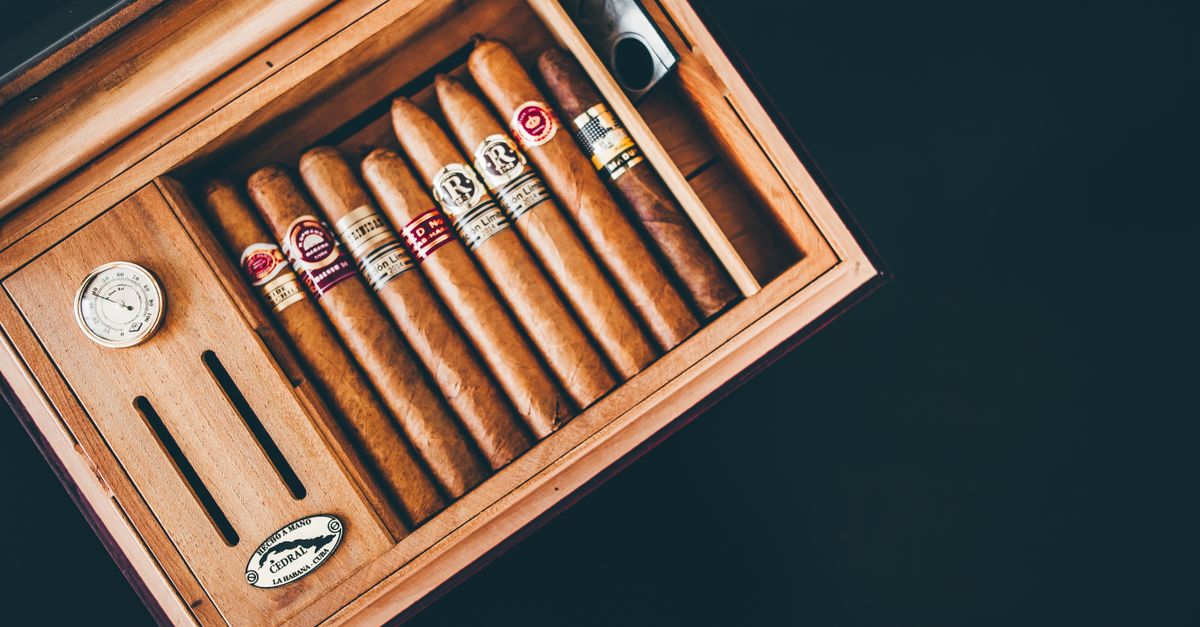
A cigar humidor is a sealed box or cabinet that maintains a steady 65 to 70% relative humidity, keeping your cigars fresh for years rather than letting them dry out in days. A good humidor protects the wrapper, preserves the oils, and gives premium cigars time to rest and improve. Without one, even an expensive cigar can become harsh and brittle within a couple of days.
This guide covers what a humidor does, the main types available, how to choose the right size, and how to season it before use, so you can buy once and store your cigars properly.
Prefer to build your own? Take a look at our DIY cigar humidor plans. For larger collections, see our guides to building a walk-in humidor room or choosing commercial and vending humidors. If you live outside the US, our international humidor buying guide includes helpful shipping and climate notes. It's also worth keeping a tube of cigar wrapper glue nearby for fixing a loose wrapper leaf.
Our Top Picks
How we pick: we weigh quality, real-world performance, and value across strengths and budgets — and only list what we’d actually buy. Buying through our links may earn us a commission at no extra cost to you.
The best balance of price, build, and capacity for a first humidor. Solid cedar, a tight seal, and a glass top that keeps you from opening it constantly — season it, add a Boveda pack, and it just works.
Check price on Amazon →- Best Overall
Mantello Glass Top Cigar Humidor (25–50 ct)
Most home collections — the safe first humidor.
The best balance of price, build, and capacity for a first humidor. Solid cedar, a tight seal, and a glass top that keeps you from opening it constantly — season it, add a Boveda pack, and it just works.
Check price on Amazon →- Genuine Spanish cedar lining that buffers humidity
- Glass top lets you check cigars without opening it
- Comes with a humidifier and hygrometer to start
- Included analog hygrometer should be upgraded
- Real capacity closer to 25 than 50
- Best Budget
Case Elegance Glass Top Humidor Jar (18 ct)
Beginners testing the hobby without committing.
The cheapest way to store cigars properly. A glass jar with a real gasket seal plus one humidity pack will keep a dozen cigars perfect — and you can graduate to a desktop box later.
Check price on Amazon →- Excellent airtight seal for the price
- Holds humidity better than many cheap boxes
- Takes up almost no space
- No cedar tray (less humidity buffering)
- Small — fine for 15, not a collection
- Best Upgrade
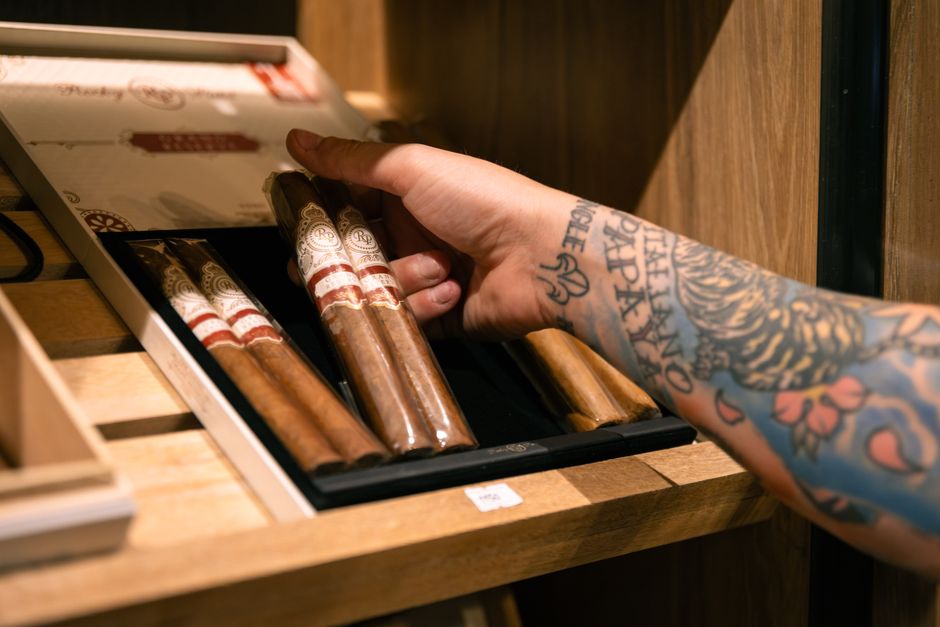
Whynter CHC-251S Electric Cigar Cooler Humidor (400 ct)
Larger collections or hot, dry climates.
When your collection outgrows a box, this is the upgrade. Active cooling keeps cigars below the 70°F beetle-risk line — essential if you live somewhere warm and your stash is worth protecting.
Check price on Amazon →- Active temperature control (beats beetles + swings)
- Spanish cedar shelves and trays
- Holds hundreds of cigars
- Big jump in price
- Still needs humidity packs to dial RH
- Best for Travel
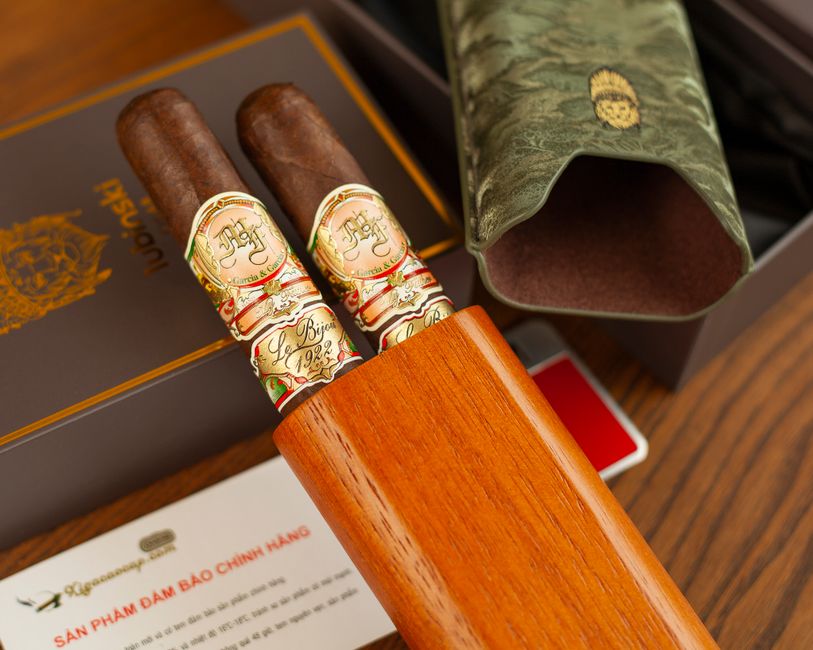
XIKAR Travel Humidor Case (5 ct)
Protecting a few cigars on trips.
The case to throw a few cigars in for a golf trip, wedding, or flight. Crushproof, watertight, and with a humidity pack inside it holds 65–70% for days on the road.
Check price on Amazon →- Crushproof and waterproof
- Holds humidity for days with one pack
- Lifetime-warranty build
- Only 5 cigars
- Overkill for at-home storage
| Pick | Best for | Price | |
|---|---|---|---|
| Best OverallMantello Glass Top Cigar Humidor (25–50 ct) | Most home collections — the safe first humidor. | $70 | Check price → |
| Best BudgetCase Elegance Glass Top Humidor Jar (18 ct) | Beginners testing the hobby without committing. | $35 | Check price → |
| Best UpgradeWhynter CHC-251S Electric Cigar Cooler Humidor (400 ct) | Larger collections or hot, dry climates. | $370 | Check price → |
| Best for TravelXIKAR Travel Humidor Case (5 ct) | Protecting a few cigars on trips. | $45 | Check price → |
Prices are indicative and change often — tap through for the live price on Amazon.
What a cigar humidor is and why you need one
A cigar humidor is a humidity-controlled container, usually lined with Spanish cedar, built to keep cigars at the climate they were rolled in. Tobacco constantly trades moisture with the air. Most indoor air sits near 30–40% humidity, far below what cigars need. A humidor seals that air out and holds the right level inside.
You need a humidor for one reason: stable humidity. Three things make the difference between a real humidor and a plain box:
- A tight seal that slows moisture loss.
- Spanish cedar lining that buffers humidity and adds aroma.
- A humidification source plus a way to measure it.
Without all three, cigars dry out fast. With them, the same cigars last for years. For the exact target levels, see our cigar humidity guide.
Types of cigar humidors
The best cigar humidor box for you depends on how many cigars you keep and where you store them. Desktop boxes suit most people, cabinets suit collectors, and travel humidors protect cigars on the move. Acrylic jars are a cheap entry point.
Here is how the main types compare:
| Humidor type | Typical capacity | Best for |
|---|---|---|
| Acrylic jar / glass-top | 10–25 cigars | Beginners, low cost |
| Desktop box | 25–100 cigars | Most home collections |
| Electric humidor | 100–500+ cigars | Larger climate-controlled storage |
| Humidor cabinet | 500–3,000+ cigars | Serious collectors |
| Travel humidor | 2–15 cigars | Trips and transport |
An acrylic or glass-top jar has no cedar lining, so it doesn't buffer humidity swings the way a cedar-lined box does — that makes closer hygrometer monitoring worth it if you rely on one. That makes a jar fine for short-term or overflow storage, but less ideal as your sole long-term setup once you're keeping cigars for months rather than weeks.
An electric humidor adds active temperature and humidity control, useful in hot or dry climates. A humidor cabinet is furniture-grade and built for long-term aging. A travel humidor is a crushproof case — see our picks for cigar travel cases.
Budget-conscious smokers also build functional humidors from everyday containers. A food-grade Tupperware tub lined with cedar sheets — called a tupperdor — costs almost nothing. A temperature-controlled wine cooler converted for cigars, known as a wineador, handles large collections affordably. A sealed military surplus ammo can converted to a humidor is crushproof and airtight. All three hold humidity just as well as a wooden box when paired with the right packs.
How to size your humidor
Always buy a humidor rated for more cigars than you own today. A box runs best when it is two-thirds to three-quarters full, because the cedar and cigars help hold humidity. An empty humidor swings more and is harder to keep stable.
Use this rule of thumb when sizing:
- Listed capacity is optimistic. It usually assumes corona-sized cigars packed tight. Real-world capacity is often 25–40% lower.
- Account for growth. Most people buy more cigars than they expect to.
- Bigger boxes are steadier. More cedar mass means smaller humidity swings.
If you keep 25 cigars, buy a 50-count box. If you keep 50, look at a 100-count.
Why Spanish cedar lining matters
Spanish cedar is the standard humidor lining because it buffers humidity, repels tobacco beetles, and deepens cigar aroma. The wood absorbs moisture when humidity rises and releases it when humidity drops. That natural buffering smooths out the swings a sealed box would otherwise have.
Two cedar details are worth checking before you buy:
- Solid cedar vs. veneer. Solid or thicker cedar holds more moisture and lasts longer than a thin veneer over plywood.
- Smooth, untreated wood. The cedar should be raw, not lacquered, so it can actually exchange moisture.
Genuine Spanish cedar gives off a distinct aromatic cedar smell as soon as you open the box — that raw, unlacquered wood is where the scent comes from. A lining that's lacquered or has little to no smell is the tell that it's a substitute wood or a thin veneer rather than the real thing. Kiln-dried Spanish cedar (Cedrela) is the genuine article. Cheaper boxes sometimes substitute other woods that buffer poorly.
Seasoning a humidor before first use
You must season a new humidor before adding cigars, or the dry wood will pull moisture straight out of them. Seasoning brings the cedar up to its target humidity so it stops stealing moisture from your cigars.
The simplest method uses a humidity pack:
- Place a high-RH seasoning pack (often 84%) inside the empty, closed humidor.
- Leave it sealed for 2 to 4 weeks, checking weekly.
- When the interior holds steady near your target, swap in your storage packs and add cigars.
Avoid wiping the inside with a wet sponge or spraying it. Too much water too fast can warp the wood or invite mold. A boveda humidor seasoning kit makes this nearly foolproof.
Humidification and measuring humidity
Every humidor needs two things working together: a source that adds humidity and a gauge that confirms the level. The most reliable modern setup is 2-way humidity packs paired with a digital hygrometer.
- Humidity packs add or absorb moisture to hold a set level. See Boveda humidity packs for sizing by capacity. If you are deciding between Boveda and Integra, our Boveda vs. Integra humidity packs comparison covers accuracy and price.
- A digital hygrometer tells you the real humidity inside. Analog gauges drift and are often inaccurate — our cigar hygrometers guide covers calibration.
Most cigars store best at 65–70%. For a reference on how fast cigars deteriorate without a humidor, see how long cigars last in open air. For a full breakdown of the trade-offs, read the cigar humidity guide.
Best cigar humidors for each kind of buyer
The best humidor depends on whether you are starting out, collecting, or traveling. Match the box to your habits rather than chasing the largest capacity.
- Beginner: A 25–50 count desktop box or a glass-top jar with a humidity pack. Simple, affordable, and easy to season. See our cigar humidors by budget breakdown if price is the deciding factor.
- Collector: A cabinet or electric humidor in the 300+ range, with multiple packs and a calibrated digital hygrometer for long-term aging. Our best luxury cigar humidors guide covers the furniture-grade end of this tier.
- Traveler: A crushproof travel humidor for 5–10 cigars, paired with a pack to hold humidity for days on the road.
Whichever you choose, the principles are the same: tight seal, real cedar, the right humidity, and a gauge you trust.
Humidor humidifier options: Boveda, beads, and electric
Every humidor needs a humidifier — the device that keeps interior humidity in the 65% to 72% range where premium cigars stay smokable. The three main options are two-way humidity packs, silica beads, and electric humidification. Each has its place.
Boveda and Integra two-way packs are the modern default. They release moisture when the environment is dry and absorb it when it's wet — passive, precise, and requiring no monitoring. Pack sizes range from 8-gram (for small travel cases) to 320-gram (for large cabinet humidors). Replace every 3 to 6 months. See our Boveda guide.
Silica beads are refillable and more affordable long-term. You rehydrate them with distilled water every couple of months. Two popular formulations are the Heartfelt and Cigar Oasis crystals. Beads work well but need active management — you must monitor humidity and rehydrate on schedule.
Electric humidifiers (Cigar Oasis being the best-known brand) are motorized units with fans that push moisture into large spaces. Recommended for humidor cabinets, wineadors, and any storage over 100 cigars. Overkill for a 25-count desktop.
Digital hygrometers like the Savoy or Xikar models pair with any humidifier — see our hygrometer guide for calibration. Rule of thumb: two-way packs for anything under 50 cigars, beads for 50-100, electric for larger. Never use tap water in any refillable device — it fouls the reservoir and can grow mold.
Humidor maintenance, cleaning & troubleshooting
A humidor stops holding humidity for one of three reasons: a bad seal, dried-out cedar, or depleted humidity packs. Work through those three before assuming the box itself is broken.
Why a humidor won't hold humidity
- Bad seal. Warped wood, a bent hinge, or a lid that doesn't sit flush lets humid air leak out as fast as your packs replace it. Test it by closing the lid on a strip of paper — if you can pull the paper out without resistance, the seal is loose.
- Dried-out cedar. Cedar that has gone through a hard dry-out (an empty box left unsealed for months, for example) stops buffering humidity and starts pulling it out of the air instead. Re-seasoning fixes this in most cases.
- Depleted humidity packs. A pack that has gone rigid and crunchy has nothing left to release. This is the most common cause and the easiest to rule out — squeeze your packs monthly.
Cleaning schedule
Wipe down the interior every 6 to 12 months, and only when the humidor is empty. Remove cigars and packs, vacuum out tobacco dust and stray cedar shavings, and wipe non-cedar surfaces — hinges, trim, glass — with a barely damp cloth. Never use soap, alcohol, or furniture polish inside; these leave a residue and a smell that cigars absorb. Let the box air out fully before re-seasoning and restocking.
Mold: causes and fixes
Mold in a humidor is almost always a humidity problem, not a hygiene problem — it shows up when RH sits above roughly 75% for an extended stretch, often from over-seasoning or a stuck-open pack. It looks fuzzy and is easy to confuse with plume (bloom), a harmless, crystalline dusting of tobacco oils that wipes or brushes off cleanly and doesn't smell musty. If you see fuzzy, colored growth with a musty smell: pull every cigar, inspect each one and discard any with visible mold, wipe the unaffected sticks with a dry cloth, clean the humidor interior, let it dry out, and re-season before restocking at your normal 65–70% target.
Repair vs. replace
A weak seal is worth repairing on a humidor you otherwise like — a replacement hinge, foam weatherstripping around the lid rim, or re-gluing lifted veneer are all cheap fixes. Cracked or badly warped cedar panels, a cabinet with a failed compressor, or a box that hosted a serious mold outbreak usually aren't worth saving — the labor and parts cost more than a comparable new box, and mold spores are hard to fully clear from raw wood.
Best placement in the home
Keep a humidor away from direct sunlight, heat vents, radiators, and exterior walls — temperature swings drive humidity swings just as much as a bad seal does. A closet shelf, a dark corner of a den, or a dry basement all beat a sunny windowsill or a spot above a heating vent. Stable room temperature, ideally 65–70°F, matters almost as much as the humidor itself.
Electric humidor cabinet brands: NewAir, Liebherr, Klarstein, and Vevor
Four brand names come up most often when shoppers search for a ready-made electric humidor cabinet: NewAir, Liebherr, Klarstein, and Vevor. Each takes a different approach to the same problem — climate-controlled storage for 100 or more cigars.
- NewAir is a US appliance brand selling stand-alone electric cigar humidor cabinets from around 250-count desktop units up to 1,500-count furniture pieces, with Spanish cedar shelving and dual heating/cooling control (marketed as Opti-Temp).
- Liebherr is a German appliance manufacturer better known for premium refrigeration and wine cabinets; its dedicated humidor line (the ZKes series) applies the same compressor-based climate control to cigar storage, at a materially higher price point than the private-label imports below.
- Klarstein is a German consumer-electronics brand whose "El Presidente" humidor cabinets use thermoelectric cooling, cedar shelving, and a glass door across roughly 23–48 liter sizes.
- Vevor is a budget-import brand selling a wide range of electric humidor cabinets, from small 16-liter/100-count units up to large 288-liter/1,700-count cabinets, most using compressor or thermoelectric cooling behind double-glazed glass.
Before buying any electric cabinet, check three things regardless of brand:
- Seal quality. A gasket-sealed glass door holds humidity far better than a friction-fit one — look for reviews that specifically mention the door seal, since it's the single biggest point of failure on cheap units.
- USA-made vs. import. NewAir assembles and sells directly in the US with US-based support; Klarstein and Vevor are European/Chinese-manufactured private-label imports sold mainly through their own sites and marketplaces — factor in warranty support and parts availability, not just sticker price.
- Finish and footprint. Cabinet humidors range from compact countertop units to furniture-sized pieces — measure the space and check the door swing before buying, and decide whether you want a mirrored glass finish (Vevor, Klarstein) or a more traditional cabinet finish (NewAir, Liebherr).
Electric cabinets make the most sense once you're past 100–150 cigars; below that, a passive desktop humidor with 2-way packs is simpler and cheaper to run.
Where to buy a cigar humidor
Where you buy a humidor changes what you're actually getting, not just the price.
- Amazon carries the widest selection at every price point, from $20 acrylic-top boxes to name-brand cabinets, with buyer reviews that flag seal and hygrometer problems before you commit. It's the default starting point for most first-time buyers, and returns are easy if a unit arrives with a warped lid.
- Big-box stores (Home Depot, Walmart) generally carry a thin cigar-humidor selection — a handful of small desktop boxes at best, with limited sizes and inconsistent stock. Worth a look only if you want to inspect a box in person before buying; don't expect much depth or a wide range of sizes.
- Local cigar shops let you inspect the seal, hinge, and cedar in person before paying, and many will season a humidor for you or throw in a starter humidity pack. You'll usually pay more than Amazon for the same box, but you're also buying local expertise — useful for a first humidor if you have sizing questions.
- Resale marketplaces (eBay, Etsy) are worth considering for solid-wood or cabinet-style humidors, where a used unit in good shape can cost half of new. Before buying used, check listing photos closely for hinge damage, warped or split cedar panels, a musty smell mentioned in the description, and any sign of mold. Ask the seller directly about seal condition and whether the box sat empty and unsealed for long stretches — that's the fastest way to ruin cedar. A used humidor with intact cedar and a tight seal just needs re-seasoning before it's ready to use.
FAQ
Do you need a humidor for cigars?
You need a humidor if you keep cigars longer than a couple of weeks. Without humidity control, cigars dry out in 2 to 3 days and turn harsh. For a single cigar you plan to smoke soon, a sealed bag with a humidity pack works as a short-term fix.
How big a humidor should I buy?
Buy a humidor rated for about double the cigars you currently own. Listed capacities are optimistic, humidors run best two-thirds full, and most people buy more cigars over time. A 50-count box is a sensible starting size for most beginners.
Can you mix different cigars in the same humidor?
Yes, and most smokers do. Cigars share humidity but don't meaningfully swap flavor with each other over the timelines most people store them — a mild Connecticut sitting next to a full-bodied maduro for a few weeks won't pick up its neighbor's taste. The one real exception is anything flavored or infused: those wrappers are treated with aromatic oils that can transfer scent to nearby cigars, so keep infused sticks in a separate small container or bag inside the humidor rather than loose with the rest of your collection.
Can you put a half-smoked cigar back in the humidor?
Yes, but don't just toss it in loose with the rest of your collection. A partially smoked cigar is warm, damp, and carries smoke odor, and it can pass that moisture and smell to the cigars sitting next to it. Store it in a separate small container or bag inside the humidor if you plan to finish it, or better yet, follow the standard practice of many smokers and just pick it back up and finish it the next day. See our how to store cigars guide for the full technique.
What humidity should a cigar humidor be?
A cigar humidor should hold 65–70% relative humidity at around 70°F. This range keeps the wrapper supple and the oils intact. Use 2-way humidity packs and a digital hygrometer to hold and confirm the level.
What is the 135 rule for cigars?
The 135 rule says your humidor's temperature (in °F) and its relative humidity should add up to roughly 135. At 70°F that means aiming for about 65% RH instead of the classic 70/70 combination. Collectors use it as a more current refinement that trims mold and beetle risk without under-humidifying the tobacco. If the two numbers add up to 140 or more, treat it as a warning sign. That combination sits in the range where mold and tobacco beetles both become more likely, so bring the temperature or humidity back down.
Is an electric humidor worth it?
An electric humidor is worth it for large collections or for storing cigars in hot, dry climates. It actively controls temperature and humidity across hundreds of cigars. For a small home collection, a sealed desktop box with humidity packs is simpler and cheaper. See our full electric vs. regular cigar humidor comparison for the cost and maintenance tradeoffs.
Can I use a humidor without Spanish cedar?
You can store cigars without Spanish cedar, but you lose its humidity buffering, beetle resistance, and aroma. Cedar smooths out humidity swings that a bare box would have. Most quality humidors line the interior with kiln-dried Spanish cedar for these reasons.
Is a cigar box the same thing as a humidor?
Not quite. A "cigar box" usually means the wooden or cardboard box cigars are packaged and sold in — it isn't sealed or humidity-controlled, so it won't keep cigars fresh on its own. A cigar humidor is purpose-built to hold 65–70% humidity long-term. That said, some smokers repurpose a solid wooden cigar box as the base for a DIY humidor by adding cedar lining and a humidity pack — see DIY cigar humidor plans if you want to try that route rather than buying a dedicated box.
What is the best cigar humidor for the money?
A 50 to 100 count desktop humidor with solid Spanish cedar lining and a tight seal is the best value setup for most buyers, paired with 2-way humidity packs and a digital hygrometer. This guide doesn't rank specific branded models, so compare any listing against those core features rather than the name on the box.
How long will a good cigar last in a humidor?
A cigar can last for years inside a properly maintained humidor at 65 to 70% humidity, compared with just a couple of days once it's exposed to open air. See our how long do cigars last guide for the full breakdown by storage method.
How long should a cigar sit in a humidor before you smoke it?
A cigar bought at proper humidity is ready to smoke once it acclimates to your humidor, which usually takes a few days. Any additional rest is strictly optional, as there is no fixed rule requiring extra storage time before lighting up. Some smokers still prefer to age cigars for a year or more to let the tobacco mellow and develop new flavors.
Is 65 or 69 humidity better for cigars?
69% is the balanced, all-around pick most smokers should start with, since it works for most cigars without pushing toward a spongy or overly dry burn. Drop to 65% for a firmer, cooler burn or a humid climate. Go to 72% only if you like a softer, moister smoke or live somewhere very dry. See our Boveda humidity packs guide for the full tradeoffs.
How much should a good humidor cost?
A solid, reliable desktop humidor for most collections runs $100 to $200, which typically buys solid cedar lining throughout and a noticeably tighter seal than anything cheaper. Under $100 gets a smaller box with thinner cedar and more seal drift. $300+ moves into cabinet-scale or furniture-grade builds. See our cigar humidors by budget breakdown for the full tier-by-tier comparison.
How do I judge a humidor's seal quality before buying it online?
Check buyer reviews for seal complaints and look closely at listing photos of the hinge and lid line, since you can't run a hands-on seal test until the box arrives. See our cigar humidors by budget breakdown for what to expect at each price tier's build quality.
Is a glass-top humidor as good as solid wood?
A glass-top humidor uses the same cedar lining as solid wood. The real gap is seal reliability and light exposure, since the extra glass-to-frame seam is more prone to leaks and the glass lets in light that can dry out and fade wrapper leaf over time. See our glass-top humidor vs. solid wood comparison for when a glass-top still makes sense.
Do I need distilled water for the humidifier?
Yes, distilled water is required for any refillable humidifier device, since tap water fouls the reservoir and can grow mold over time. See our humidor accessories guide for the full supply list worth keeping on hand.
Should I unwrap my cigars before I put them in my humidor?
Leave the cellophane sleeve on your cigars when you place them in the humidor. Cellophane is not airtight, so it does not meaningfully block humidity exchange. It also protects the wrapper leaf against nicks, handling damage, and oils transferring from your hands or neighboring cigars.
The exception is a sealed foil pouch. Foil creates a genuine moisture barrier that stops humidity from reaching the tobacco, so remove the cigar from any foil wrapping before storage. Cigars packaged in individual wooden or cardboard boxes, as well as unwrapped bundles, can go into the humidor as received.
Conclusion
A cigar humidor is the single best investment you can make to protect your cigars, because it holds the steady 65–70% humidity that keeps them fresh for years and lets premium cigars improve with age. Match the size to your collection, insist on real Spanish cedar, season it before first use, and pair it with quality humidity packs and a trusted hygrometer — our humidor accessories & supplies guide covers that full kit. Once the box itself is sorted, see what to keep in your cigar humidor for how to stock it well, not just fill it. Ready to keep your new humidor dialed in? The Humidor Tracker reminds you before your packs run dry and logs how long each cigar has been resting.