What to Keep in Your Cigar Humidor
A humidor full of cigars isn't necessarily a well-stocked one. Plenty of smokers fill theirs with whatever was on sale, then wonder why half the collection tastes off, or why certain sticks never get touched.
A good humidor is a system. It needs the right humidity setup, a thoughtful mix of cigars for different moods and occasions, and enough rotation to keep everything from sitting stale.
Here's what belongs in a serious humidor, and why each piece deserves its place.
The Humidor Supply Kit
How we pick: we weigh quality, real-world performance, and value across strengths and budgets — and only list what we’d actually buy. Buying through our links may earn us a commission at no extra cost to you.
The one supply you will buy on repeat. Each pack adds and absorbs moisture to hold its rated level exactly — stock the 8-pack and swap on schedule.
Check price on Amazon →- The Core Supply

Boveda 69% RH Size 60 (8-Pack)
The consumable every humidor runs on.
The one supply you will buy on repeat. Each pack adds and absorbs moisture to hold its rated level exactly — stock the 8-pack and swap on schedule.
Check price on Amazon →- 2-way control holds a precise RH
- No water, no maintenance
- 8-pack covers months of swaps
- Replace every 2–4 months
- Best Monitoring
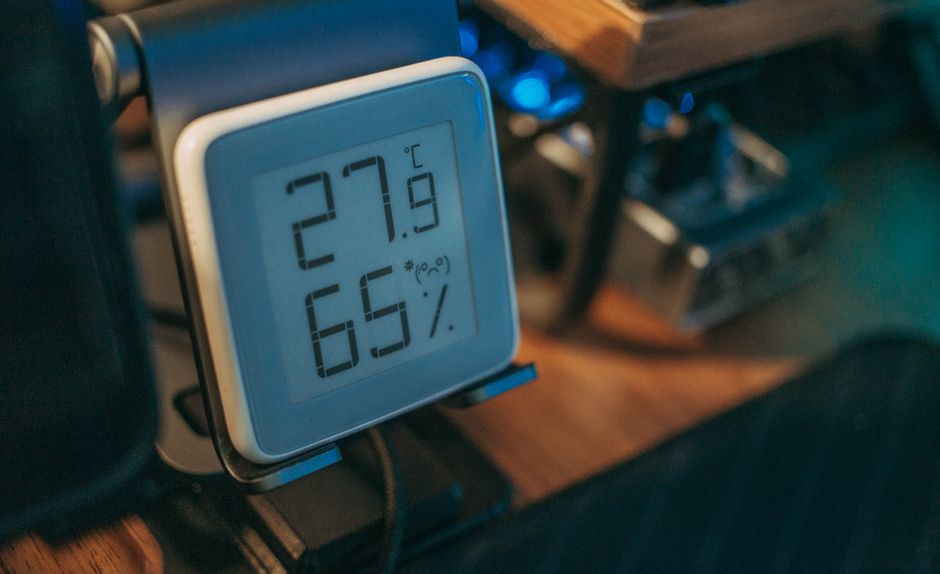
Govee Smart Bluetooth Hygrometer (2-Pack)
Catching humidity drift before cigars dry out.
A drifting humidor fails silently. App alerts turn a weeks-late discovery into a same-day pack swap — the biggest upgrade per dollar in this kit.
Check price on Amazon →- Logs humidity 24/7 to your phone
- Alerts when RH leaves your range
- Two units — humidor plus calibration spare
- Needs occasional battery swaps
- For New Humidors
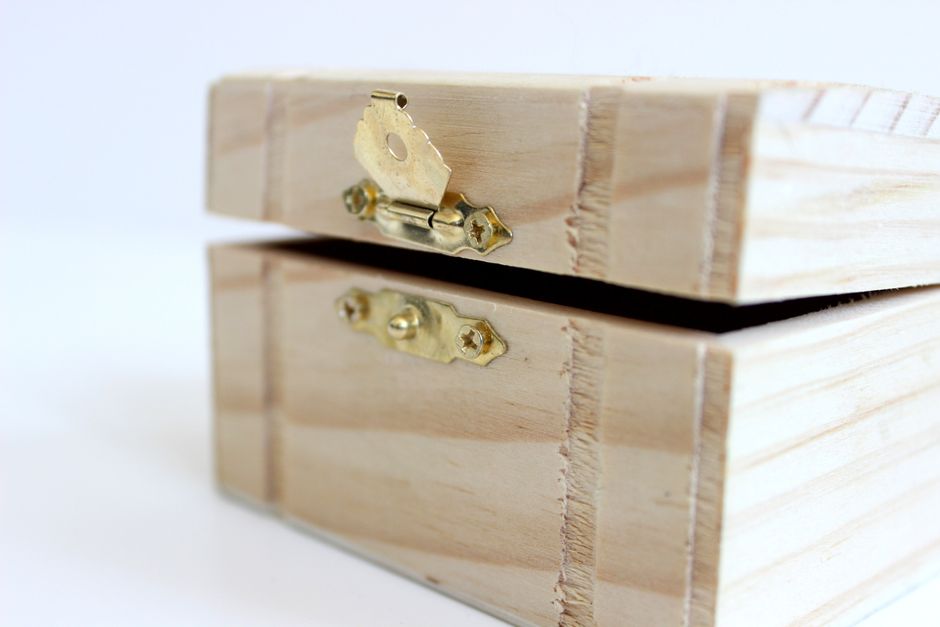
Boveda 84% RH Seasoning Pack (Size 60)
One-time seasoning of fresh cedar.
Every new wooden humidor needs this once. It brings the dry cedar up to spec so the box stops stealing moisture from your first cigars.
Check price on Amazon →- Seasons cedar with zero water risk
- No warping, no mold
- 14 days, fully passive
- Single-use; not for storage
- Best Accuracy Check
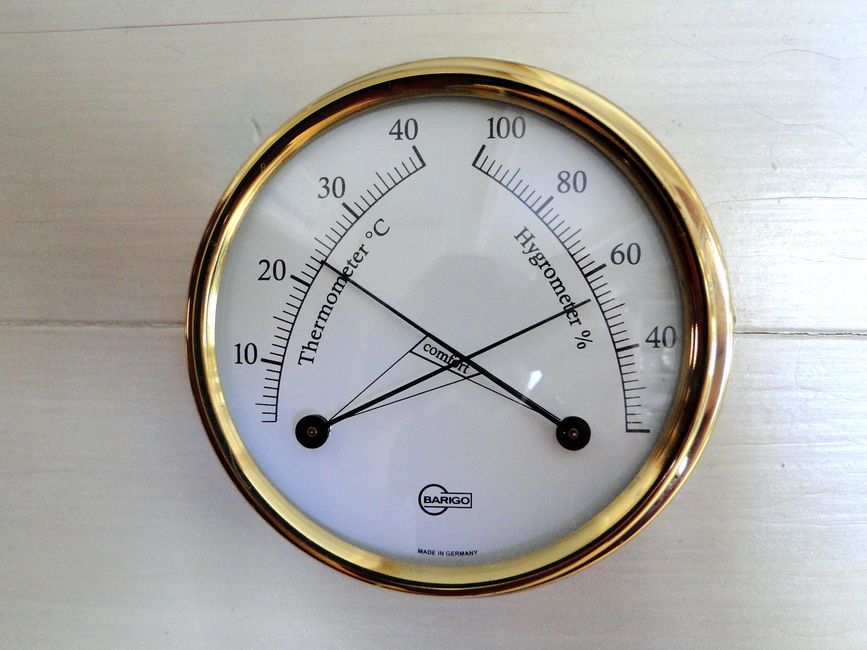
Boveda One-Step Calibration Kit
Verifying your hygrometer every 6 months.
Digital sensors drift quietly with age. A $6 check twice a year is what keeps every other reading in this kit trustworthy.
Check price on Amazon →- Sealed 75% reference environment
- 24-hour test, no salt mess
- Works on any hygrometer
- Single-use per test
| Pick | Best for | Price | |
|---|---|---|---|
| The Core SupplyBoveda 69% RH Size 60 (8-Pack) | The consumable every humidor runs on. | $25 | Check price → |
| Best MonitoringGovee Smart Bluetooth Hygrometer (2-Pack) | Catching humidity drift before cigars dry out. | $22 | Check price → |
| For New HumidorsBoveda 84% RH Seasoning Pack (Size 60) | One-time seasoning of fresh cedar. | $8 | Check price → |
| Best Accuracy CheckBoveda One-Step Calibration Kit | Verifying your hygrometer every 6 months. | $6 | Check price → |
Prices are indicative and change often — tap through for the live price on Amazon.
The humidity gear comes before the cigars
None of the cigars in a humidor matter if the humidity inside is wrong. Before you think about which sticks to buy, make sure the box itself can hold a steady 65–70% relative humidity — see our cigar humidity guide for the full range and why it matters.
- A calibrated hygrometer. You can't manage what you can't measure, and the analog dial that ships with most entry-level humidors is often off by several points. A digital hygrometer, calibrated with a salt test, tells you the real number. Our cigar hygrometers guide covers calibration and picks.
- Two-way humidity control packs. Boveda and similar packs hold a fixed RH by adding or pulling moisture automatically, instead of just adding it the way foam or a sponge does. Roughly one pack per 25 cigars is a workable starting ratio. See our Boveda humidity pack guide for sizing by humidor capacity.
- A backup humidor or travel case. If your main box ever needs repair, or you're traveling, having a second sealed container means you're never forced to store cigars loose in a drawer while you sort it out.
If you're shopping for the box itself, our best cigar humidors guide breaks down desktop, cabinet, and electric options by budget, and our international humidor buying guide covers what changes if you're storing cigars somewhere with very different ambient humidity than the U.S.
Why more cigars isn't automatically better
Overstuffing a humidor is one of the most common mistakes serious collectors make, and it's counterintuitive because it feels like progress. Pack a box too tight and a few things go wrong at once:
- Air can't circulate. Humidity packs need airflow to distribute moisture evenly. Cram cigars in wall to wall and the sticks near the packs stay properly humidified while ones buried in the back run dry.
- Humidity swings take longer to recover from. A half-full humidor bounces back fast when you open the lid and let some humidity escape. A packed one holds that dip longer because there's less air volume relative to the amount of tobacco pulling moisture out of it.
- You lose track of what you own. A humidor so full you can't see past the top layer is a humidor where cigars go to be forgotten, not smoked at their peak.
A good rule of thumb: fill a humidor to about 70–80% of its rated capacity, not the max. That leaves room for air to move and for you to actually see and rotate what's inside.
Build a mix, not a pile
A well-stocked humidor covers different moods, occasions, and time budgets, not just "cigars I liked once." Think through a few axes when you're deciding what to keep on hand:
- Strength range. Keep something mild for a weekday evening, something medium for most occasions, and something full-bodied for when you actually want a heavier smoke. If everything in the box is full-strength, you'll end up reaching for the same two or three sticks and letting the rest sit.
- Wrapper variety. Connecticut shade wrappers skew sweeter and milder; maduro and San Andrés wrappers run darker and richer; habano and Cameroon land in between. A humidor with only one wrapper family is a humidor with one flavor profile, no matter how many brands are in it.
- Vitola size for the time you have. A 20-minute smoke break calls for a different size than a two-hour porch sit. Keep a short robusto or corona on hand for quick smokes and a longer toro or Churchill for when you've got the time.
- A few "always good" standbys alongside anything experimental. New releases and limited drops are fun, but every humidor should have two or three proven cigars you already know you like, so you're never stuck with nothing to smoke if the newer stuff isn't hitting.
This is also where a rare-tobacco or limited-run cigar earns its spot — not as your everyday smoke, but as the occasional special-occasion pick sitting alongside your reliable go-tos.
Rotate on a FIFO basis
First in, first out isn't just a warehouse term — it applies to a humidor too, especially once you're storing more than a handful of cigars. Two habits keep a collection from going stale:
- Track purchase dates. Without a system, it's easy to lose track of which cigars have been sitting for three months versus three years. Logging what you buy and when is the single easiest way to know what's overdue to smoke.
- Move older stock to the front — or the top. Every few months, physically rotate cigars so the ones that have been resting longest are the ones you reach for next, and boxes at the bottom of a cabinet get their turn near the humidity source.
This is exactly the gap our free Humidor Tracker is built to close. Log each cigar as you buy it, and you always know what's been sitting the longest, what's ready to smoke, and — since Boveda packs are consumable — when it's time to reorder before your humidity gear runs dry.
The small extras that make a humidor easier to live with
Beyond humidity control and the cigars themselves, a few smaller items round out a well-run setup:
- Cedar sheets or spares, if your humidor isn't already lined, to help humidity distribute evenly and add a light aroma over time.
- A spare hygrometer battery on hand, since a dead digital hygrometer gives you no reading at all instead of a slightly wrong one.
- A cutter and lighter stored nearby, not necessarily inside the humidor itself, so you're not hunting for tools when a cigar is finally ready.
None of these are complicated, but they're the difference between a humidor you have to think about and one that just works.
Conclusion
A well-stocked cigar humidor is a system, not a stockpile: a calibrated hygrometer, two-way humidity packs sized to the box, a mix of strengths and wrapper types for different occasions, room to breathe instead of a packed-tight box, and a rotation habit so nothing sits forgotten. Get the humidity gear right first, then build variety deliberately instead of by accident.
Use the Humidor Tracker to log what's inside, watch your humidity, and know exactly what's ready to smoke next.
FAQ
What's the most important thing to keep in a cigar humidor besides cigars?
A calibrated hygrometer and two-way humidity control packs. Without accurate humidity control, everything else in the humidor — cigar quality, aging, flavor — is at risk, regardless of how good the cigars themselves are.
How full should a cigar humidor be?
Aim for about 70–80% of its rated capacity, not the maximum. Overstuffing blocks airflow, slows humidity recovery after you open the lid, and makes it easy to lose track of what you own.
Should a humidor have different strengths and wrapper types?
Yes. A mix of mild, medium, and full-bodied cigars across a few wrapper families gives you the right cigar for different moods and occasions, instead of reaching for the same one or two sticks every time.
How often should I rotate cigars in my humidor?
Every few months. Move older boxes and cigars to where they'll be smoked next, and track purchase dates so nothing sits forgotten at the back of the humidor for years by accident.
Do I need a backup humidor or travel case?
It helps. A second sealed container gives you somewhere to store cigars if your main humidor needs repair or you're traveling, so you're never forced to store cigars loose in a drawer or bag.