How to Cut a Cigar
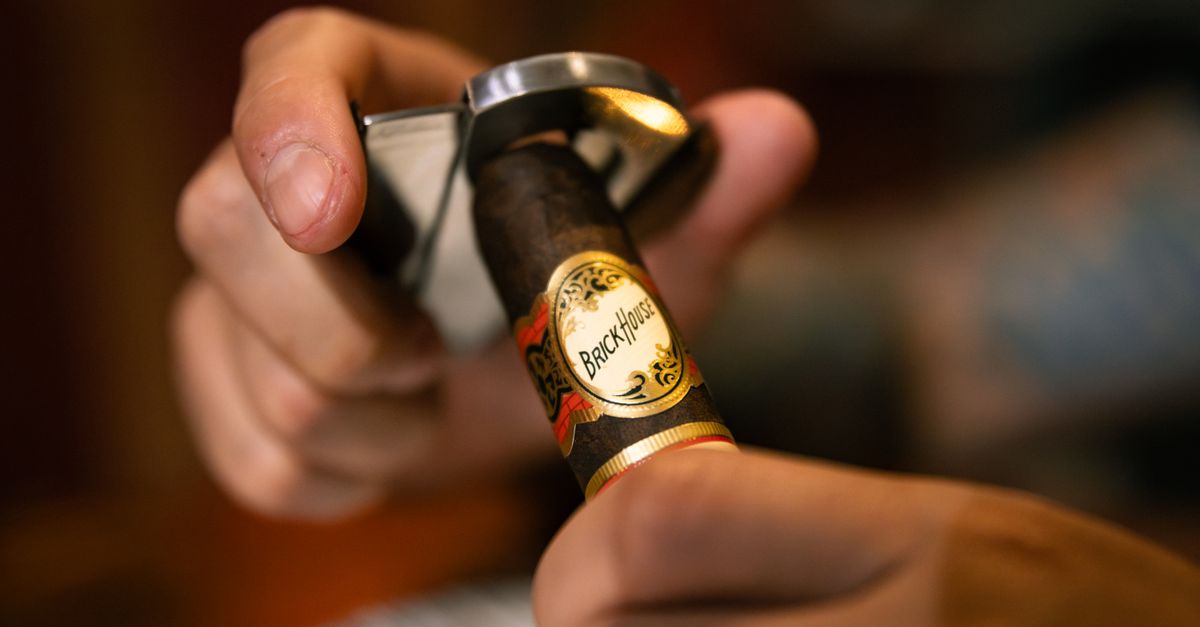
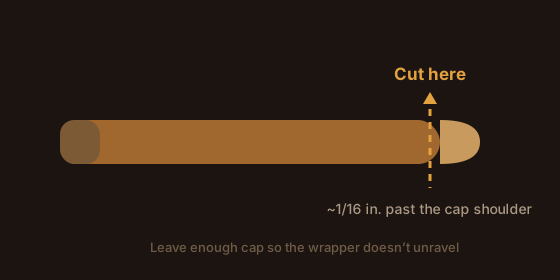
The trick to cutting a cigar is knowing exactly where to make the cut: just above the shoulder line, removing only 1.5 to 2 mm of the rounded cap. That's enough to create a clean draw without damaging the wrapper. Cut too far past the shoulder, and the cigar starts to unravel in your hand.
Keep the cut small, straight, and confident, one clean snip rather than a slow sawing motion.
This guide covers where to cut, which cutter to use, and what to do if you don't have one.
Our Top Picks
How we pick: we weigh quality, real-world performance, and value across strengths and budgets — and only list what we’d actually buy. Buying through our links may earn us a commission at no extra cost to you.
The cutter to buy and forget. Two sharp blades meet in the middle for a flat, clean cut that won’t tear the wrapper — and if it ever dulls, XIKAR replaces it.
Check price on Amazon →- Best Overall
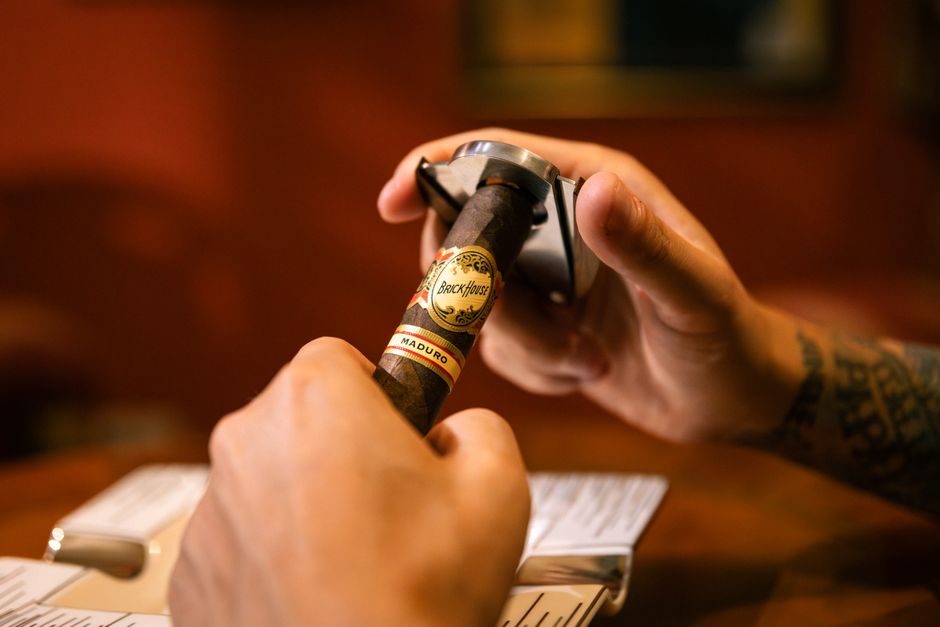
XIKAR Xi2 Double-Blade Cigar Cutter
A clean guillotine cut up to a 54 ring gauge.
The cutter to buy and forget. Two sharp blades meet in the middle for a flat, clean cut that won’t tear the wrapper — and if it ever dulls, XIKAR replaces it.
Check price on Amazon →- Sharp, self-centering double blades
- Spring-loaded snap action
- Lifetime warranty
- Big ring gauges need the larger Xi3
- Best Budget
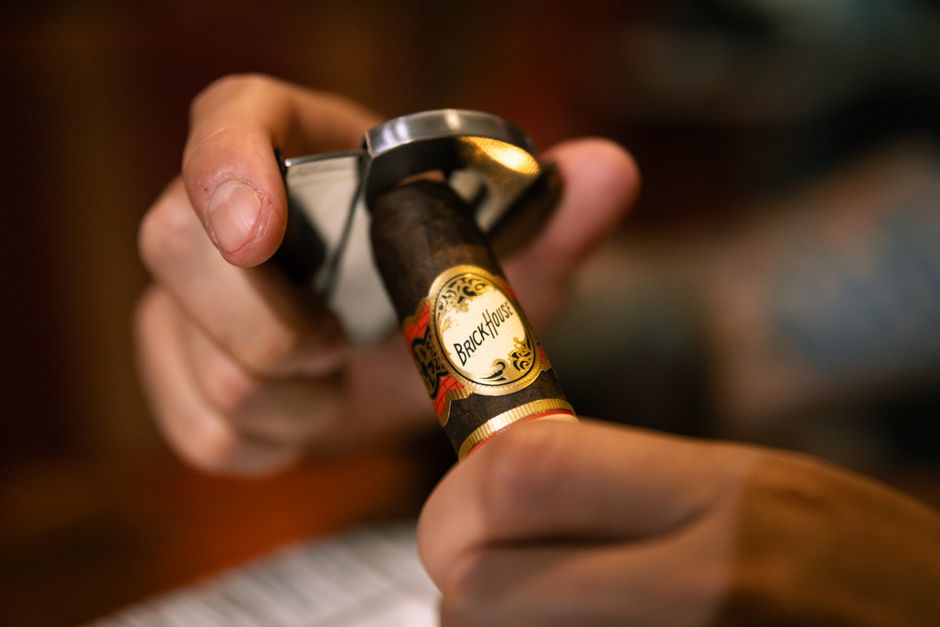
Scotte Stainless Double-Blade Cutter
A sharp guillotine for next to nothing.
Proof you don’t need to spend much for a clean cut. A solid double-blade guillotine for the price of a cigar — keep one as a backup even after you upgrade.
Check price on Amazon →- Surprisingly sharp out of the box
- Double blade for a straight cut
- Dirt cheap
- No warranty
- Blades dull over time
- Editor’s Pick
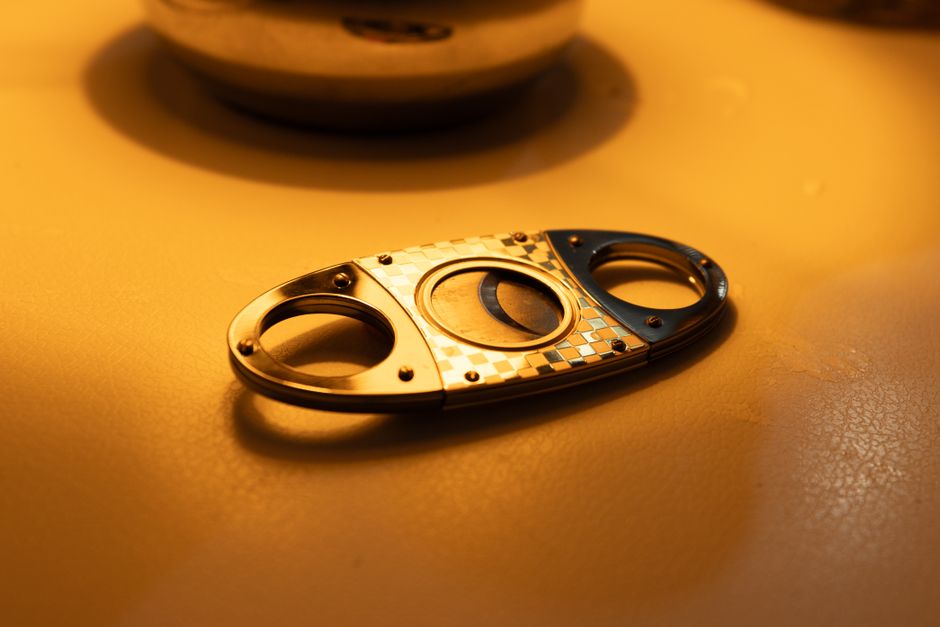
XIKAR VX2 V-Cut Cigar Cutter
A deep wedge cut that concentrates the draw.
For smokers who prefer a V over a flat cut. The wedge channels the draw to the center of the cigar — many find it cooler and more flavorful on box-pressed sticks.
Check price on Amazon →- Consistent, deep V channel
- Concentrates smoke for a fuller draw
- Solid build
- A wedge isn’t ideal for every cigar shape
- Best for Travel
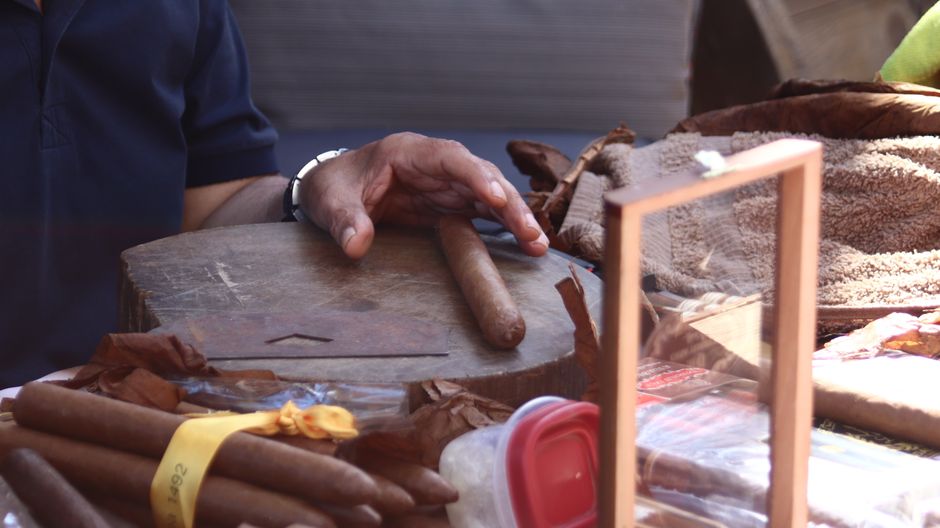
XIKAR Twist Cigar Punch Cutter
A pocketable punch that barely touches the cap.
The cut to keep on your keys. A punch opens a neat hole without unraveling the cap — perfect for travel, though the draw is firmer than a guillotine.
Check price on Amazon →- Keyring-friendly and tiny
- Clean round hole
- Minimal cap damage
- Tighter draw than a full cut
- Not for small ring gauges
| Pick | Best for | Price | |
|---|---|---|---|
| Best OverallXIKAR Xi2 Double-Blade Cigar Cutter | A clean guillotine cut up to a 54 ring gauge. | $35 | Check price → |
| Best BudgetScotte Stainless Double-Blade Cutter | A sharp guillotine for next to nothing. | $10 | Check price → |
| Editor’s PickXIKAR VX2 V-Cut Cigar Cutter | A deep wedge cut that concentrates the draw. | $40 | Check price → |
| Best for TravelXIKAR Twist Cigar Punch Cutter | A pocketable punch that barely touches the cap. | $20 | Check price → |
Prices are indicative and change often — tap through for the live price on Amazon.
Where to cut a cigar
You cut a cigar just above the shoulder, the spot where the rounded cap curves into the straight body of the cigar. The cap is the small piece of wrapper glued over the head to hold the whole cigar together. Your goal is to remove the very top of that cap while leaving enough of it in place to keep the wrapper sealed.
Aim to take off about 1.5 to 2mm — roughly the thickness of a stack of two coins. Look for the faint line where the curve of the cap flattens into the body; that line is the shoulder, and you want to stay just above it. Cut below the shoulder and you slice into the structural wrapper, which causes the cigar to come apart as you smoke. A small cut is almost always better than a big one.
Cigar cutter types at a glance
Three common cutter styles each open the cigar a different way. The right choice depends on the cigar size and the draw you prefer. Here is a quick comparison.
| Cutter type | How it works | Best for |
|---|---|---|
| Guillotine (straight) | Slices a flat opening across the cap | Most cigars; the all-around default |
| V-cut (wedge) | Notches a deep V groove into the cap | A focused draw without unraveling |
| Punch | Bores a small round hole in the cap | Thicker ring gauges; travel and quick use |
A double-blade guillotine is the most versatile and the easiest to recommend for beginners. V-cuts concentrate the smoke nicely but can clog on oily cigars. Punches are compact and hard to mess up, but they do not work well on thin cigars. For help choosing a tool, see our roundup of the best cigar cutters.
How to cut a cigar with a guillotine
A guillotine cutter gives the cleanest, most reliable cut when you line it up correctly. The double-blade version closes from both sides at once, which keeps the cut square and reduces tearing. Follow these steps for a clean opening every time.
- Find the shoulder. Locate the line where the rounded cap meets the straight body of the cigar.
- Open the blades fully. Hold the cutter in one hand and the cigar in the other.
- Insert the cap. Slide just the top 1.5 to 2mm of the cap into the open blades. Do not push the cigar deeper.
- Rest the blades on the shoulder. Let the closed-down position sit just above that shoulder line.
- Cut in one motion. Close the blades fast and firm. A quick, decisive snip cuts clean; a slow squeeze tears the wrapper.
- Check the draw. Test it with a gentle pull before lighting. If the draw is tight, take off a hair more.
A clean cut looks like a smooth, flat circle of exposed filler with a crisp edge and no loose flakes of wrapper. If you see the wrapper peeling at the edge, you cut too low.
Cutting pointed cigars: torpedo, pyramid, perfecto, and belicoso
Figurado shapes — torpedo, pyramid, perfecto, belicoso, and other pointed-tip cigars — don't have a flat cap the way a parejo (straight-sided) cigar does, so the guillotine steps above don't apply the same way. The tip tapers to a point, and cutting it like a parejo either takes off too little to draw or removes so much that you're smoking a stub of the taper.
A V-cutter is the right tool for a pointed tip. Instead of slicing across a flat cap, it notches a small wedge into the point itself, which opens a draw channel without needing a flat surface to cut against. Center the V-cutter on the very tip, about 2–3mm back from the point, and cut in one motion — the same "fast and decisive, not a slow squeeze" rule from the guillotine steps still applies.
A straight guillotine still works on a pointed cigar if you don't own a V-cutter: cut further back from the tip, where the taper has widened enough to give you a roughly flat surface to slice across. You'll take off more of the cigar than a V-cut would, but it's a reasonable backup. A punch cutter is the wrong tool here — there's rarely enough flat surface at the point to bore a clean hole.
How to cut a cigar without a cutter
You can cut a cigar without a cutter using a few careful backup methods, though none are as clean as a real cutter. These work in a pinch when you are caught without your gear. The goal is the same: open the cap above the shoulder without tearing the wrapper.
- Sharp knife: Rest the cigar on a flat surface and press a sharp blade straight down across the top of the cap. Use downward pressure, not a sawing motion, to avoid shredding the wrapper.
- Fingernail or thumbnail: Carefully score and pick a small opening in the center of the cap. This is slower and rougher, but it works for a quick draw.
- The "bite": As a last resort, gently bite a small piece off the cap and spit it out. It is crude, but it has opened many cigars over the years.
Whatever method you use, remove only the very top of the cap. The same rule applies: stay above the shoulder, and take off as little as possible.
Common cigar-cutting mistakes
| Mistake | What goes wrong | Fix |
|---|---|---|
| Cutting too deep | Wrapper unravels as you smoke | Take off only 1.5–2mm above the shoulder |
| Slow, sawing cut | Tears and crushes the wrapper | Cut fast in one decisive motion |
| Cutting below the shoulder | Cigar comes apart in your hand | Find the shoulder line first, then cut above it |
| Dull or cheap blade | Crushes instead of slicing | Use a sharp, well-made cutter |
| Cutting a dry cigar | Wrapper cracks and flakes | Keep cigars properly humidified first |
Conclusion
When you know how to cut a cigar, you protect every cigar that follows: aim just above the shoulder, take off a thin 1.5 to 2mm, and cut in one clean motion. Pick the cutter style that suits your cigars and your draw, and keep a backup method in mind for when you are caught without one. A sharp tool makes all the difference — see our guide to the best cigar cutters, then move on to how to light a cigar and the full how to smoke a cigar walkthrough.
FAQ
Where exactly do you cut a cigar?
You cut a cigar just above the shoulder, where the rounded cap meets the straight body. Remove only the top 1.5 to 2mm of the cap. Cutting below the shoulder slices into the structural wrapper and causes the cigar to unravel.
Which side of a cigar do you cut?
You cut the cap end, the rounded end sealed with a small piece of wrapper leaf. The other end, the foot, is the one you light, and cutting it instead ruins the cigar by opening the wrong side entirely. A quick way to tell them apart on an unfamiliar cigar: the cap is rounded and closed, while the foot is flat and shows the loose ends of the filler tobacco. Once you've found the cap, the shoulder line described above tells you exactly where on that end to cut.
How do you cut a cigar without a cutter?
You can use a sharp knife pressed straight down across the cap, score a small opening with a fingernail, or gently bite off the tip as a last resort. Each method should remove only the very top of the cap, staying above the shoulder line.
Can you cut a cigar with scissors?
Yes, you can cut a cigar with small, sharp scissors in a pinch. Line the blades up just above the shoulder and snip in one quick, firm motion. Dedicated cigar scissors exist, but ordinary sharp scissors work better than a dull knife.
Why does my cigar unravel after I cut it?
A cigar usually unravels because you cut too deep, below the shoulder, into the structural part of the wrapper. Cut higher next time, taking off only 1.5 to 2mm of the cap. A dried-out cigar can also crack, so keep your cigars humidified.
What kind of cut is best for beginners?
A straight guillotine cut, ideally with a double-blade cutter, is best for beginners. It is the most versatile style, works on nearly every cigar, and is easy to line up correctly. See the best cigar cutters for reliable options.
How do you cut a torpedo or pyramid cigar?
Use a V-cutter centered on the pointed tip, about 2–3mm back from the point, since a figurado's taper doesn't give a guillotine a flat cap to slice across. A guillotine works as a backup if you cut further back where the taper has widened out.
Does the cutting technique change by cigar brand?
No. The shape of the cigar — parejo (straight, flat cap) versus figurado (tapered, pointed tip) — determines the technique, not the brand. A Cohiba, Montecristo, or any other maker's parejo cuts the same way as any other parejo; the same holds for figurados across brands.
How do you cut a cigar for beginners?
The same way as any smoker: find the shoulder line, take off only 1.5 to 2mm of the cap, and cut in one fast, decisive motion rather than sawing. A double-blade guillotine is the most forgiving tool to learn on, since it closes evenly from both sides and is hard to line up wrong. See the step-by-step guillotine walkthrough above for the exact motion.
How long is a cigar good for after it's cut?
Smoke it the same day. Once the cap is off, the exposed filler starts drying out faster than the rest of the cigar, and the flavor changes noticeably within a few hours. A cut cigar isn't worth saving for later — cut it when you're ready to light it.