Best Cigar Cutters
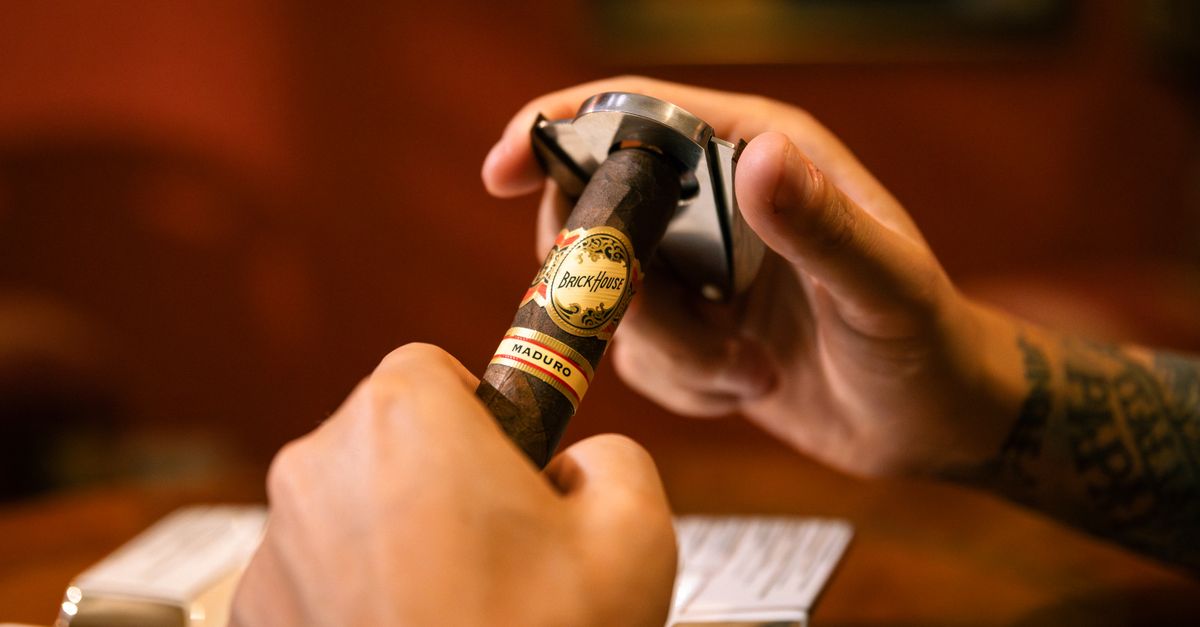
A torch and cutter are the two essentials for smoking a cigar. The cutter opens the cap so the cigar draws cleanly, and when you get it right, you won't give it another thought. Get it wrong, though, a dull blade, the wrong style, or a cut that's too deep, and you could be dealing with a plugged or unraveling cigar before you even light it. See how to cut a cigar to learn what an off-center or overly deep cut does and how to avoid it.
This guide covers the main types of cuts, what separates a quality cutter from a cheap one, and how to choose the right style for your cigars and habits.
Our Top Picks
How we pick: we weigh quality, real-world performance, and value across strengths and budgets — and only list what we’d actually buy. Buying through our links may earn us a commission at no extra cost to you.
The cutter to buy and forget. Two sharp blades meet in the middle for a flat, clean cut that won’t tear the wrapper — and if it ever dulls, XIKAR replaces it.
Check price on Amazon →- Best Overall
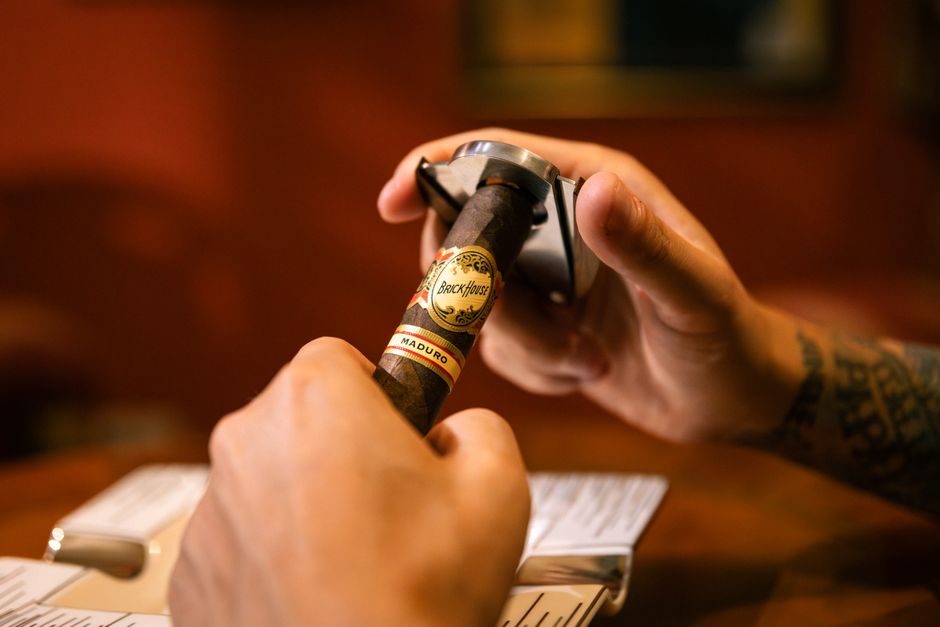
XIKAR Xi2 Double-Blade Cigar Cutter
A clean guillotine cut up to a 54 ring gauge.
The cutter to buy and forget. Two sharp blades meet in the middle for a flat, clean cut that won’t tear the wrapper — and if it ever dulls, XIKAR replaces it.
Check price on Amazon →- Sharp, self-centering double blades
- Spring-loaded snap action
- Lifetime warranty
- Big ring gauges need the larger Xi3
- Best Budget
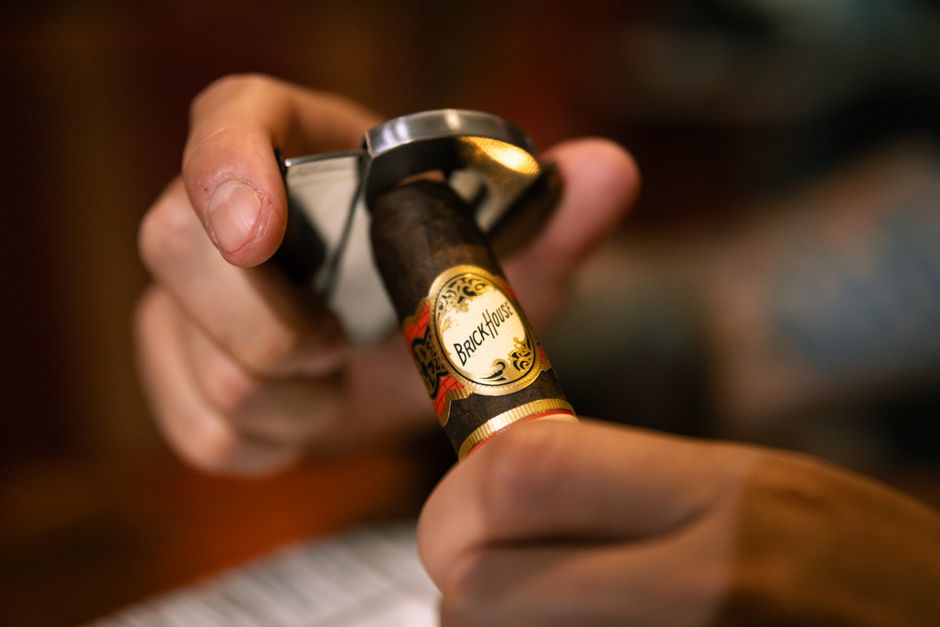
Scotte Stainless Double-Blade Cutter
A sharp guillotine for next to nothing.
Proof you don’t need to spend much for a clean cut. A solid double-blade guillotine for the price of a cigar — keep one as a backup even after you upgrade.
Check price on Amazon →- Surprisingly sharp out of the box
- Double blade for a straight cut
- Dirt cheap
- No warranty
- Blades dull over time
- Editor’s Pick
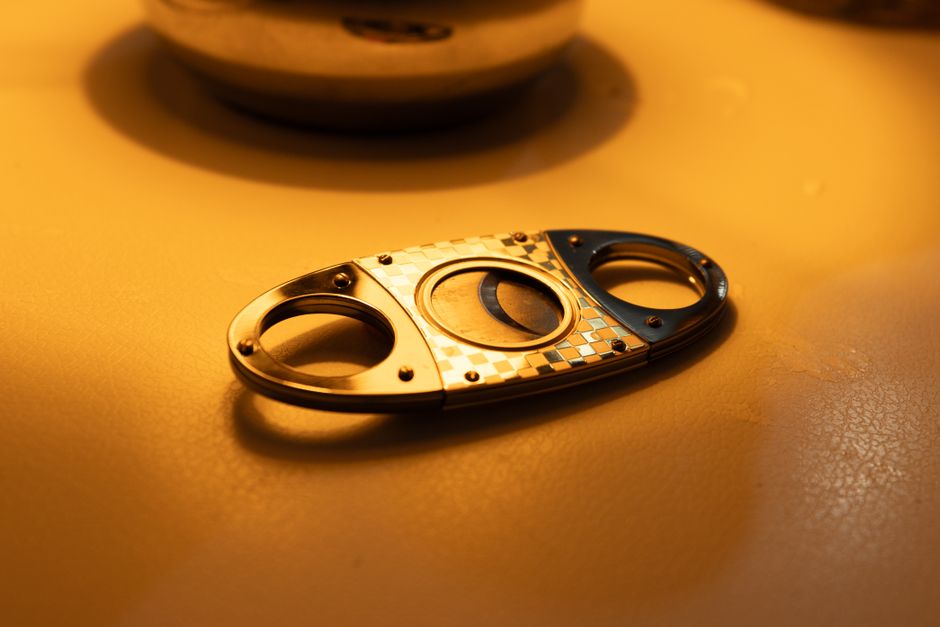
XIKAR VX2 V-Cut Cigar Cutter
A deep wedge cut that concentrates the draw.
For smokers who prefer a V over a flat cut. The wedge channels the draw to the center of the cigar — many find it cooler and more flavorful on box-pressed sticks.
Check price on Amazon →- Consistent, deep V channel
- Concentrates smoke for a fuller draw
- Solid build
- A wedge isn’t ideal for every cigar shape
- Best for Travel
XIKAR Twist Cigar Punch Cutter
A pocketable punch that barely touches the cap.
The cut to keep on your keys. A punch opens a neat hole without unraveling the cap — perfect for travel, though the draw is firmer than a guillotine.
Check price on Amazon →- Keyring-friendly and tiny
- Clean round hole
- Minimal cap damage
- Tighter draw than a full cut
- Not for small ring gauges
| Pick | Best for | Price | |
|---|---|---|---|
| Best OverallXIKAR Xi2 Double-Blade Cigar Cutter | A clean guillotine cut up to a 54 ring gauge. | $35 | Check price → |
| Best BudgetScotte Stainless Double-Blade Cutter | A sharp guillotine for next to nothing. | $10 | Check price → |
| Editor’s PickXIKAR VX2 V-Cut Cigar Cutter | A deep wedge cut that concentrates the draw. | $40 | Check price → |
| Best for TravelXIKAR Twist Cigar Punch Cutter | A pocketable punch that barely touches the cap. | $20 | Check price → |
Prices are indicative and change often — tap through for the live price on Amazon.
The main cigar cut types
There are three ways to cut a cigar: a straight (guillotine) cut, a V-cut (also called a wedge or cat's-eye), and a punch. Each opens the cap differently and suits different cigars. Most smokers settle on a favorite, but it's worth understanding all three before you do. Pointed or torpedo-shaped cigars need extra care since there's less cap to work with — see how to cut a cigar for that nuance.
| Cut type | How it opens the cap | Pros | Cons | Best for |
|---|---|---|---|---|
| Guillotine / straight | Slices the cap flat across | Versatile, big draw, works on most sizes | Easy to cut too deep | Most cigars |
| V-cut / wedge | Cuts a notch into the cap | Concentrated draw, hard to over-cut | Can plug on dense cigars | Medium-to-large ring gauges |
| Punch | Bores a small hole in the cap | Pocket-friendly, fast, less unraveling | Tighter draw, not for small ring gauges | Large ring gauges, travel |
The guillotine is the all-purpose choice and the one most smokers reach for. A V-cutter gives a deeper, funneled draw and is forgiving if you're still learning — you'd have to try hard to cut too far. A punch is compact, lives on a keychain, and keeps the wrapper from unraveling, but it produces a tighter draw that won't suit everyone. A punch also needs a flat cap to bite into, so it isn't a good fit for a torpedo's pointed tip. See how to cut a cigar for handling pointed shapes.
Knife-style cutters
A knife-style cutter is a fourth option worth knowing alongside the guillotine, V-cut, and punch, even though it's less common as a dedicated everyday tool. Rather than a fixed blade and hinge mechanism, a knife-style cutter is a small folding or fixed-blade knife purpose-shaped for slicing a cap — some are standalone cigar knives, and others, like the Victorinox Swiss Army Cigar knife, build a cutting edge and a punch into a broader pocket multi-tool. The appeal is flexibility: a sharp knife-style blade can shape a custom cut rather than being locked into one preset style. The trade-off is control — a shaky hand or a dull edge produces a far messier cut than a guillotine's fixed geometry allows, which is why most beginners are steered toward the three main cut types first and a knife-style cutter second, once they've got a feel for cigar caps. See the fuller walkthrough of freehand knife cuts in the "Cigar scissors and cigar knives" section below.
Single vs. double blade cutters
This one matters more than most people expect. A double-blade guillotine cuts cleaner because both blades meet in the middle, supporting the cap from two sides simultaneously. A single blade pushes the cap against a fixed surface, which pinches and can tear the wrapper on anything but the sharpest steel.
If you smoke regularly, a double-blade guillotine is the right call. The price difference between single and double is usually small, and a torn cap will ruin your mood more than the few dollars saved. Spring-loaded self-opening models are a nice extra — one-handed operation, no fumbling at the lounge.
What to look for in a cigar cutter
Blade sharpness is the only thing that truly matters. A dull cutter doesn't slice — it crushes. A quality cutter feels light under the cap and cuts in one clean motion. If you're pressing or sawing, the blade is either dull or the cutter is cheap.
Beyond sharpness, check the opening size before you buy. A lot of modern cigars run 54–60 ring gauge or larger, and a budget cutter designed for thinner sticks won't fit them. Stainless steel blades are standard; higher-grade or coated steel holds an edge longer. Look for solid hinges and a firm action — a wobbly cutter will drift off-center and tear.
Brands like Xikar, Colibri, and Visol are reliable bets for sharp, durable cutters. Xikar in particular is popular for wide openings and edge retention. See our cigar cutter brands compared guide for a fuller side-by-side of these three plus others.
Cigar scissors and cigar knives
Cigar scissors are spring-handled shears that give a precise straight cut — and they look good doing it, which is why they're popular in home lounges and cigar bars. A cigar knife lets you carve a custom opening by hand and offers real flexibility, but it takes practice; a bad knife cut is messier than a bad punch.
Neither is particularly pocketable, which is their main drawback. If you find handheld cutters fiddly or just want something different on your desk, both deliver clean cuts.
Best cigar cutters for each kind of smoker
There's no single "best" cutter on the market, rated or otherwise. The right one depends on how you smoke.
A beginner is best served by a spring-loaded double-blade guillotine or a V-cutter — both are forgiving and don't require precise placement. An everyday smoker should invest in a quality double-blade that fits large ring gauges; you'll use it hundreds of times and the blade quality shows. A traveler wants a punch on a keychain — compact, hard to lose, and won't ruin a wrapper in your pocket. If you're smoking at home or at the lounge, cigar scissors are worth the upgrade for control and presentation.
Someone smoking mostly small ring gauge cigars or cigarillos does fine with a standard guillotine or V-cutter sized down. A punch runs too tight a draw on thin cigars. Someone smoking mostly torpedoes and other pointed shapes should reach for a V-cutter first, since it notches the point instead of needing a flat cap to slice across.
See how to cut a cigar for the full technique on figurado shapes. A budget cutter under $15 is a fine starting point for an occasional smoker. Step up to a $25–$60 double-blade once you're cutting cigars several times a week and the cheap blade starts crushing instead of slicing.
Whatever you pick, sharp blades and the right opening size matter far more than the brand or the finish. For the actual cutting technique, see how to cut a cigar. Knowing your cigar's ring gauge helps you pick the right opening size — our cigar sizes guide maps the most common vitolas by length and gauge. After the cut comes the light, and then the smoke: our how to smoke a cigar guide completes the sequence.
Sharpening, cleaning, and replacing a cigar cutter blade
A cutter needs replacing long before most smokers realize it. Sharpening a cigar-cutter blade isn't practical at home — the bevel angle is too shallow and the steel too thin for a standard whetstone or pull-through sharpener, so the real maintenance question is cleaning versus replacing, not sharpening.
Pitch and tar buildup on the blade is the most common cause of a cutter that suddenly starts tearing instead of slicing. Wipe the blades after every few cigars with a dry cloth, and periodically work a cotton swab dipped in isopropyl alcohol (or a drop of light oil) into the hinge and blade faces to dissolve resin buildup. Never run a cutter through water — moisture reaches the spring mechanism on spring-loaded models and causes it to seize.
A dull blade still closes fully but crushes the cap instead of slicing through it cleanly, leaving a ragged, frayed edge instead of a crisp line — that's the signal to retire it. A well-made stainless-steel double-guillotine used a few times a week typically holds a usable edge for one to three years; a cheap gas-station cutter can dull within weeks of daily use. Because most cutters aren't user-serviceable — the blades are riveted or pinned in place — replacing the whole cutter is standard practice rather than swapping a blade.
Where to buy a cigar cutter (and what to expect to pay)
Basic guillotine cutters are sold nearly everywhere, not just at tobacco shops. Gas stations and convenience stores near a smoke shop typically stock a basic single-blade guillotine for $5–$15, and general retailers like Walmart and Target carry entry-level guillotines and punches in their smoking-accessory aisles for a similar range. Amazon covers the full spectrum — the same cheap disposable guillotines alongside mid-tier Xikar and Colibri double-blades in the $25–$60 range.
Tobacco shops and cigar lounges are the best source once you're past entry level, since staff can point you to a cutter sized for the ring gauges you actually smoke and let you handle the action before buying. Premium and luxury cutters — covered in the brand breakdown below — are mostly sold direct through the maker's own site or through specialty cigar retailers online, since general retail rarely stocks them. As a rough guide: $25–$60 for a solid mid-tier double-guillotine, $60–$150 for a premium workhorse cutter, and $150–$300-plus once you're in buy-once, keep-forever territory — true luxury and designer pieces run well past that.
International availability follows a similar pattern. Buyers in the UK, Canada, the Middle East, and across Asia can generally order the same Xikar, Colibri, and Visol lines through Amazon's local storefronts or through regional tobacconists, though the European luxury and designer brands are often easier to source locally than through US retailers.
Cutter-and-lighter combo sets
A bundled cutter-and-lighter kit makes sense as a starter set or a gift — one box, one price, and both tools matched in finish. It makes less sense once you know your own preferences, because the cutter and the lighter in a combo kit are rarely each brand's best individual product; buying a good cutter and a good torch separately usually beats a mediocre combo at the same total price. See our cigar lighters guide if you'd rather choose the lighter half on its own merits. If you'd rather shop combo sets directly instead of assembling your own kit, our best cigar cutter and lighter combo roundup rounds up the better-matched pairs.
Luxury & designer cigar cutter brands
The premium cigar cutter market has expanded beyond Xikar and Colibri over the last decade. Two tiers are worth knowing once you're ready to upgrade beyond the everyday guillotine: precision-tool premium brands built for daily use, and old-world luxury and designer names that treat the cutter as a piece of jewelry as much as a tool. For a fuller side-by-side look at how these and other cutter brands stack up, see our cigar cutter brands compared guide.
Benchmade cigar cutters are what happens when a knife company makes a cigar cutter. Precision-machined, sharp beyond anything a stock guillotine offers, and priced accordingly ($150-$300 range). The blades stay sharp for years of daily use. If you appreciate tool quality and cut cigars often, a Benchmade is the buy-once purchase.
Halo cigar cutters are the workhorse premium — well-machined V-cutters and guillotines in the $60-$150 range. Reliable, sharp, and rarely fail. A Halo double-guillotine is one of the most-recommended everyday cutters at the mid-price point.
Lotus cigar cutters occupy the same tier — solid construction, sharp blades, and a slightly more distinctive design language. Popular among smokers who want something more distinctive than Xikar without paying Benchmade prices.
For most everyday use, an Xikar or Colibri double-guillotine remains the sensible choice. Move to Halo or Lotus when your everyday cutter starts feeling underwhelming. Save a Benchmade for the day you want a cutter that outlives you.
A different tier altogether treats the cutter as jewelry first and a tool second, worth knowing if a desktop piece or a gift purchase is the goal rather than an everyday carry item. S.T. Dupont, Alfred Dunhill, El Casco, and Elie Bleu build cutters in lacquer, chrome, gold plate, and hand-polished steel, often as part of a matched humidor-and-lighter set, with prices commonly running from a few hundred dollars into four figures depending on finish and metal. Hermès has released cigar cutters in leather and precious-metal finishes as part of its home collection, priced closer to luxury leather goods than to any typical cigar accessory. Zwilling — the German cutlery house better known for kitchen knives — made cigar cutters decades ago that are now mostly collector's pieces rather than a current product line, though the Solingen steel heritage is exactly why collectors still hunt them down. Davidoff, through its Zino Platinum accessory line, sells double-blade cutters in brass and chrome finishes for smokers who want a Davidoff-branded piece to match their cigars. Victorinox takes the opposite, practical approach — its Swiss Army Cigar knife builds a set of cigar punches into a pocket multi-tool, trading luxury materials for genuine everyday-carry utility.
None of this changes the fundamentals: a $300 cutter with a dull blade still tears a wrapper, and a $10 guillotine with a sharp edge and a wide-enough opening still delivers a clean cut. Buy into the luxury and designer tier for the object itself — the finish, the brand, the gift factor — not because it cuts better than a well-maintained Xikar. Whatever brand, sharpness is what matters most — a dull blade tears the wrapper and ruins the smoke.
FAQ
What is the best cigar cutter for beginners?
A V-cut or spring-loaded double-blade guillotine. Both are hard to over-cut, which is the most common beginner mistake. The V-cutter is especially forgiving because it only notches the cap instead of slicing it off.
How do you cut a cigar without a cutter?
You can pinch a small opening in the cap with a fingernail or score it carefully with a sharp knife. Sharp scissors work in a pinch. These are backups only — a real cutter gives a far cleaner draw. See how to cut a cigar for the proper method.
Do you wet a cigar before cutting it?
Some smokers moisten the cap with their lips before cutting, and the habit genuinely helps. A slightly damp cap resists cracking and unraveling under the blade, especially if the wrapper is on the drier side. Skip it if the cigar is already storing at proper humidity. The technique helps most on a cigar that's a touch under-humidified, and no amount of moistening saves a cap that's badly dried out.
Is a V-cut better than a straight cut?
Not better — different. A V-cut concentrates the draw and is hard to over-cut, while a straight guillotine cut opens more of the cap for a fuller, airier draw. Many smokers own both and choose based on the cigar.
What cutter works for large ring gauge cigars?
A guillotine cutter with a wide opening is your best option for thick ring gauges. Many modern cigars run 56–60, so check the cutter's listed capacity before buying. V-cutters can plug on very dense, large sticks.
Do I need a torch and cutter, or just one?
You need both. The cutter opens the cap for a clean draw, and the torch lights it evenly. See our guide to cigar lighters to round out your kit.
What is a V-cut cigar cutter?
A V-cut cutter notches a wedge-shaped cut into the cigar cap rather than slicing it off entirely, concentrating the draw into a narrower channel. It's more forgiving than a guillotine because there's no cap left to slice too deep into, and it suits medium-to-large ring gauges better than tight, thin cigars.
Guillotine vs. punch vs. scissors — which should I buy?
A guillotine is the right first purchase for nearly everyone, since it works on the widest range of cigars and sizes. A punch is worth adding once you want something pocket-sized for travel or a car ashtray, and cigar scissors are worth adding once you're smoking at home or in a lounge and want the extra control and presentation. Most regular smokers end up owning at least two of the three rather than picking just one.
Single vs. double blade — does it matter?
Yes — a double-blade guillotine cuts more cleanly because both blades meet in the middle instead of pushing the cap against a single fixed edge, which is why it's the standard recommendation for daily use (see the fuller comparison above). If you're rounding out a desktop setup, a stand or a small case to keep the cutter and a lighter together is a low-cost add-on worth considering alongside the cutter itself.
Can I bring a cigar cutter on a plane?
Generally not in carry-on — cutters with an exposed blade, like guillotines and V-cutters, are treated like other bladed items under TSA rules and typically need to go in checked luggage instead. A punch cutter, which has no exposed blade, sometimes clears security differently, but don't count on it — treat any cutter as checked-luggage gear unless you've confirmed otherwise with TSA directly. Pack it inside your travel case rather than loose in a bag.
How long does a cigar cutter last?
A well-made cutter lasts for years, even with daily use — the blade is the only part that wears, and stainless-steel blades on a quality guillotine hold an edge through hundreds of cuts before feeling dull. What actually kills a cutter early is corrosion from being tossed in a damp pocket or bag rather than dried and stored, or sticky tar buildup that's never cleaned off. Some premium brands, like Xikar, back their cutters with a lifetime guarantee and free sharpening or replacement, which is worth factoring into the price if you plan to carry one daily for years.
What is a "bullet" cigar cutter, and how do you use it?
A bullet cutter is a punch-style cutter shaped like a rifle cartridge — you twist off the tip, press the exposed punch straight down into the center of the cap to bore a round hole, then twist the cap back on to carry it safely. It works the same way as any other punch: center it on the cap, push straight down without twisting the blade itself, and pull it out clean. The bullet shape is just a compact, pocket-friendly housing for the same mechanism.
Do I need a special cutter for cigarillos or small ring gauge cigars?
No dedicated "small cigar" cutter category exists — a standard guillotine or V-cutter handles a cigarillo's thin ring gauge without trouble, even if a cutter sized for 60 ring gauge cigars feels oversized in your hand on something that thin. A punch is the one exception: as the table above notes, punches are built for large ring gauges and give too tight a draw on a thin cigarillo, so stick with a guillotine or V-cut for those. See our best cigarillos guide if you're looking at that smaller format specifically.
What cutter should I bring golfing?
A punch cutter on a keychain is the easiest option for golf, since it's compact and hard to lose in a cart or bag. See our cigar travel case for golf guide for how to carry the rest of your kit on the course.
What's a good gift cutter?
A quality double-blade guillotine or a well-made V-cutter from a name like Xikar or Colibri makes a safe, well-liked gift. See our best cigar gifts guide for more pairing ideas.
What is the best budget cigar cutter?
A basic single-blade guillotine, the kind sold at gas stations and general retailers for $5–$15, works fine as long as the blade stays sharp and you don't press or saw through the cap. Step up to a $25–$60 mid-tier double-blade, like an entry Xikar or Colibri, once you're cutting cigars several times a week. The cheap blade dulls faster and starts crushing instead of slicing.
What is a backstop on a cigar cutter?
A backstop is a small ledge or depth guard built into some guillotine and V-cutter designs that stops the blade from traveling past the cap into the body of the cigar. It's a beginner-friendly feature since it makes an over-deep cut harder to make by accident, though most experienced smokers cut confidently enough that they never think about it.
Not every cutter has one. Check the product listing if it's a feature you specifically want.
What's the best cigar cutter for torpedo cigars?
A V-cutter is the right tool for a torpedo, since it notches a wedge into the pointed tip instead of needing a flat cap to slice across the way a guillotine does. See how to cut a cigar for the exact placement on a torpedo's point and a guillotine backup method if a V-cutter isn't on hand.
What cutter do people recommend on Reddit and in reviews?
The same handful of names come up again and again in cigar forums and review threads: a Xikar double-guillotine for everyday reliability, and a Palio for enthusiasts who want the fewest moving parts to fail. See our cigar cutter brands compared guide for how those and other brands actually differ.
Conclusion
The right cutter — guillotine, V-cut, or punch — comes down to your cigars and how you like to smoke. Prioritize sharp blades, solid build, and an opening wide enough for your ring gauge, and you'll get a clean draw every time. Once cut, draw the smoke into your mouth without inhaling — see do you inhale cigars if you're new to the technique. Building out the rest of your kit? Browse our full accessories guide for cutters, lighters, and storage that work together.