Best Cigar Hygrometers
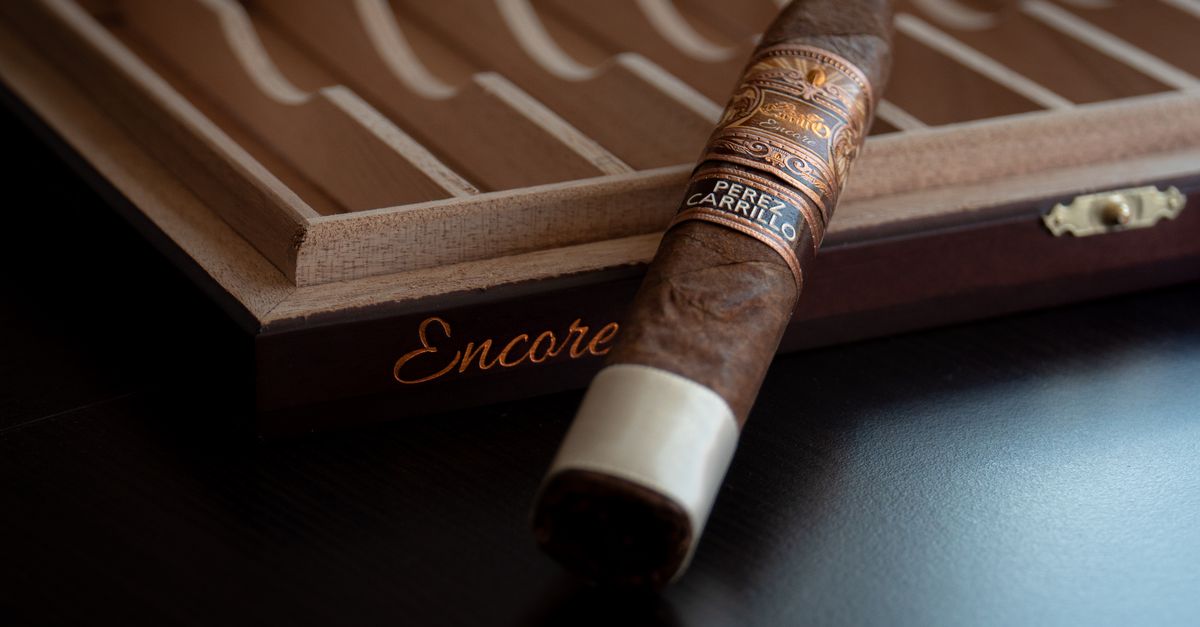
A digital hygrometer is the most accurate way to measure humidity inside a cigar humidor. It shows the actual relative humidity (RH), helping you maintain the 65 to 70% range cigars need. Without one, you're guessing, and a humidor that gets too dry or too damp can ruin your cigars. Digital hygrometers read closer to true than analog ones.
This guide explains why a hygrometer matters, how digital and analog gauges compare, how to calibrate one using the salt test, and where to place it in your humidor.
Our Top Picks
How we pick: we weigh quality, real-world performance, and value across strengths and budgets — and only list what we’d actually buy. Buying through our links may earn us a commission at no extra cost to you.
The hygrometer most collectors trust. Accurate out of the box, calibratable when you want to be sure, and slim enough to sit in a desktop humidor without crowding cigars.
Check price on Amazon →- Best Overall
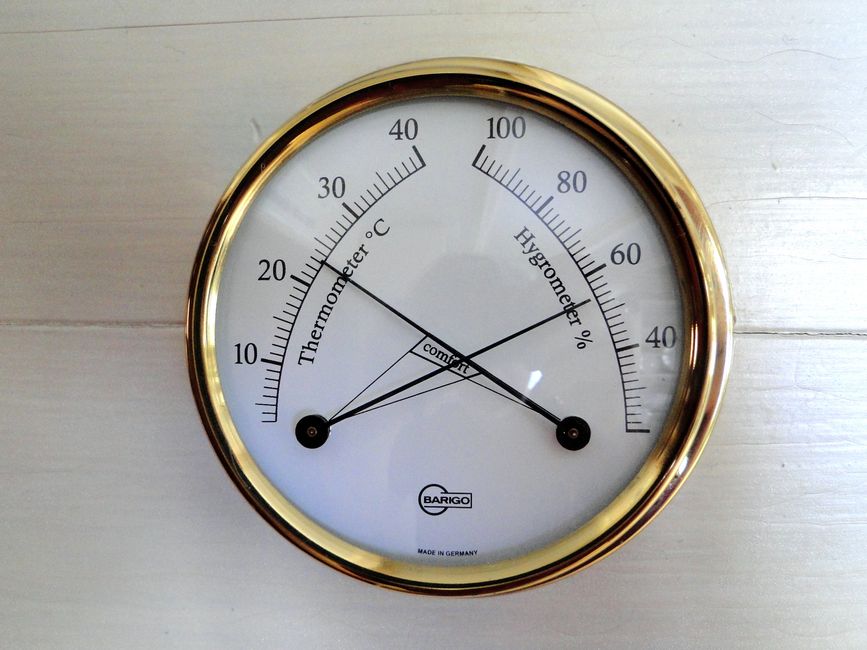
Western Caliber IV Digital Hygrometer
An accurate, calibratable hygrometer for any humidor.
The hygrometer most collectors trust. Accurate out of the box, calibratable when you want to be sure, and slim enough to sit in a desktop humidor without crowding cigars.
Check price on Amazon →- Accurate to ±1%
- User-calibratable
- Slim profile fits any box
- Small display
- Best Smart Value
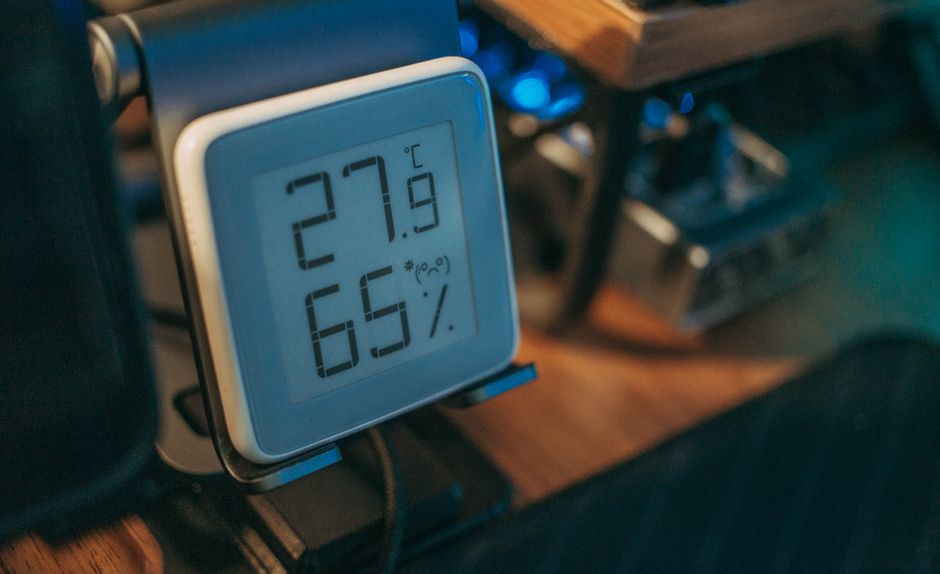
Govee Bluetooth Hygrometer Thermometer
Phone alerts when humidity drifts.
Smart monitoring for almost nothing. The app logs humidity over time and pings your phone before things drift — a remarkable amount of capability for the price.
Check price on Amazon →- Bluetooth app with history graphs
- Low-humidity alerts
- Very cheap
- Bluetooth range is limited
- Best Upgrade
SensorPush HT.w Wireless Hygrometer
Collectors who want lab-grade remote monitoring.
The hygrometer for a serious collection. Lab-grade accuracy and rich history; add the gateway and you can check your humidor’s humidity from anywhere.
Check price on Amazon →- Lab-grade Swiss sensor
- Long-range with optional gateway
- Detailed history + alerts
- Premium price
- Gateway costs extra for remote access
- Best Budget
Mini Round Digital Cigar Hygrometer
A cheap readout for a jar or travel case.
Better than the analog gauge in your humidor’s lid. Tiny, cheap, and digital — fine for a jar or travel case where you just need a rough, honest reading.
Check price on Amazon →- Tiny — fits anywhere
- Cheap enough to buy several
- Digital beats analog
- Not calibratable
- Accuracy varies
| Pick | Best for | Price | |
|---|---|---|---|
| Best OverallWestern Caliber IV Digital Hygrometer | An accurate, calibratable hygrometer for any humidor. | $25 | Check price → |
| Best Smart ValueGovee Bluetooth Hygrometer Thermometer | Phone alerts when humidity drifts. | $13 | Check price → |
| Best UpgradeSensorPush HT.w Wireless Hygrometer | Collectors who want lab-grade remote monitoring. | $60 | Check price → |
| Best BudgetMini Round Digital Cigar Hygrometer | A cheap readout for a jar or travel case. | $9 | Check price → |
Prices are indicative and change often — tap through for the live price on Amazon.
Best hygrometers for a humidor
The Western Caliber IV Digital Hygrometer (about $25) is the best hygrometer for a humidor, with a cheaper smart pick, a lab-grade upgrade, and a budget gauge below.
| Pick | Best for | Why |
|---|---|---|
| Western Caliber IV Digital Hygrometer (about $25) | An accurate, calibratable hygrometer for any humidor | It is accurate to ±1% and user-calibratable, with a slim profile that fits any humidor box, though it has a small display. |
| Govee Bluetooth Hygrometer Thermometer (about $13) | Affordable smart monitoring with low-humidity alerts | The companion Bluetooth app tracks humidity with history graphs and sends low-humidity alerts, though the Bluetooth connection range is limited. |
| SensorPush HT.w Wireless Hygrometer (about $60) | Lab-grade precision with optional remote access | A lab-grade Swiss sensor delivers detailed history logs and humidity alerts, with an optional gateway available at extra cost for remote access. |
| Mini Round Digital Cigar Hygrometer (about $9) | Budget humidity checks in a jar or travel case | This tiny generic digital hygrometer fits easily into a jar or travel case, though accuracy varies and the unit is not calibratable. |
Whichever model you buy, run the salt test before trusting it to keep cigars within the target 65 to 70% RH range.
Why you need a hygrometer in a humidor
You need a hygrometer because it is the only way to confirm your humidor is actually holding the right humidity. A humidor with no gauge is a sealed box you cannot read. Humidity drifts as packs age, seasons change, and the seal wears.
A hygrometer lets you:
- Confirm the RH is in the 65–70% target range.
- Catch a dry spell before cigars start cracking.
- Catch over-humidity above 75%, where mold becomes a risk.
The target is simple. Most cigars store best at 65–70% RH and around 70°F. For the full breakdown, see our cigar humidity guide.
Digital vs analog hygrometers
A digital hygrometer is more accurate and easier to read than an analog one. Analog gauges use a coiled metal or hair spring that drifts over time. Digital sensors hold their accuracy longer and show an exact number, not a needle estimate.
Here is how the two compare:
| Feature | Digital hygrometer | Analog / mechanical hygrometer |
|---|---|---|
| Accuracy | High (often ±2–3%) | Lower; drifts over time |
| Readability | Exact digital number | Needle on a dial |
| Calibration | Easy; some auto-calibrate | Manual screw adjustment |
| Look | Modern | Classic, vintage appeal |
| Best for | Anyone who wants accuracy | Display and traditional looks |
A few takeaways:
- Digital is the better choice for protecting cigars. The exact reading removes guesswork.
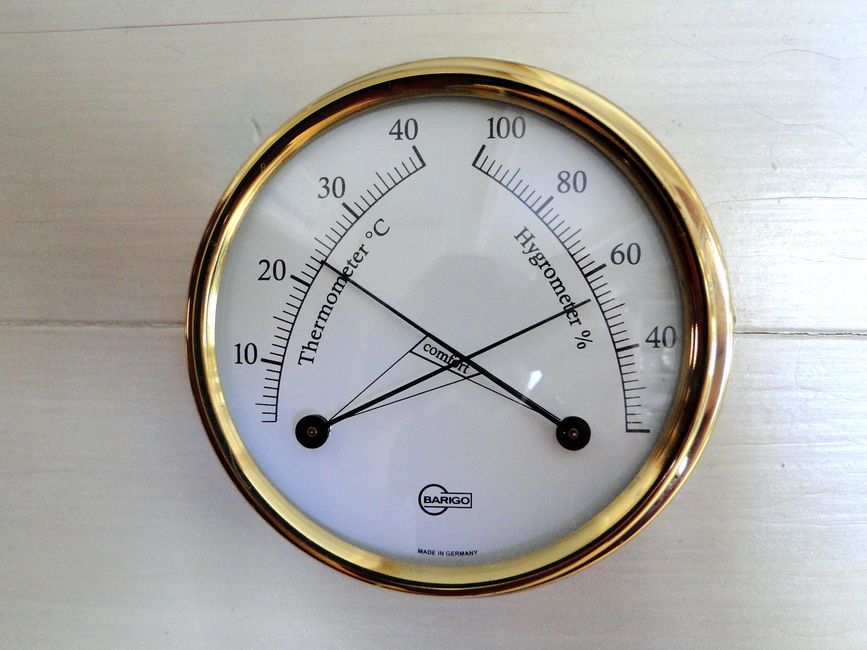
- Analog or mechanical gauges look traditional and suit a vintage humidor, but they need frequent checking.
- Either way, calibrate it. No gauge is trustworthy straight out of the box.
A digital gauge pairs naturally with a quality humidor — see our best cigar humidors guide for the full setup.
Smart, Wi-Fi & Bluetooth hygrometers (Govee, Inkbird)
A Wi-Fi or Bluetooth hygrometer sends its reading to your phone, so you can check your humidor's humidity without opening the lid. Brands like Govee and Inkbird sell small sensor pucks that pair with an app and push alerts when RH drifts outside a range you set.
Here is how a smart gauge compares to a standard digital one:
- Convenience. A smart hygrometer lets you check humidity from another room, or while traveling, instead of opening the humidor and letting conditioned air escape.
- Alerts. App notifications flag a dry or over-humid box before you'd otherwise notice, useful for humidors you don't check daily.
- Added dependency. A smart gauge needs a charged or fresh battery and a Bluetooth/Wi-Fi connection to report in; a simple digital gauge just needs its own small battery and works with a glance, no app or signal required.
- Same calibration rules apply. A Govee or Inkbird sensor drifts like any other hygrometer and still needs the salt test before you trust its reading.
A smart Wi-Fi or Bluetooth hygrometer is worth the extra cost if you travel with your humidor or don't check it daily; skip it if you keep a stable desktop humidor at home, where a basic calibrated digital gauge does the same core job for less. A smart hygrometer is a convenience layer, not a replacement for a calibrated reading. If the app and the physical gauge disagree, trust whichever one you've actually salt-tested.
Cigar Oasis: hygrometer and humidification in one unit
Cigar Oasis is best known for electric humidification systems, not standalone gauges — its Caliber IV and Caliber V units pair a hygrometer sensor with an active humidifying fan and reservoir, so the unit reads the humidor's RH and adds moisture automatically to hold it. That combination is different from a passive gauge that only reports a number.
A few calibration quirks to know before you rely on one:
- The sensor still drifts. Run the salt test on the Caliber's hygrometer sensor the same way you would any other gauge — an active humidifier does not exempt the sensor from manufacturing tolerance.
- The unit acts on its own reading. If the built-in sensor reads low, the Caliber will add humidity even if the humidor is already at target, so an uncalibrated sensor can push a humidor too wet.
- Bluetooth models add the same app dependency as a Govee or Inkbird sensor — a dead battery or lost connection stops remote alerts, though the humidification function itself typically runs independent of the app.
Treat a Cigar Oasis reading as a working number to verify, not a factory-guaranteed one.
The salt test: how to calibrate a hygrometer
The salt test calibrates a hygrometer by exposing it to a known 75% humidity environment. Salt and water create a stable, predictable RH you can check your gauge against. Any gauge, digital or analog, should be tested this way before you trust it.
Here is the method:
- Mix a tablespoon of table salt with a few drops of water into a damp slush in a bottle cap.
- Seal the cap and the hygrometer together in a zip-top bag, not touching.
- Wait 6 to 8 hours undisturbed.
- Read the gauge. A correct one reads 75%.
- If it reads off, note the difference. Digital gauges may have a reset button; analog gauges have a small adjustment screw on the back.
If your gauge reads 72%, it runs 3% low — add 3% to every future reading, or adjust it to match. Recalibrate once or twice a year.
Where to place your hygrometer
Place your hygrometer in the open air of the humidor, away from the humidity source. A gauge sitting right next to a humidity pack reads that pack, not the overall environment. You want the reading your cigars actually experience.
Placement tips:
- Keep it away from packs so it reads the room, not the source.
- Avoid resting it on cigars or pressing it into the cedar.
- Use two gauges in a large humidor or cabinet — top and bottom can differ.
In a small desktop box, one well-placed digital gauge is plenty. The humidity source matters just as much — see our guide to Boveda humidity packs for holding the level your hygrometer confirms.
Built-in hygrometers vs. standalone gauges
Many humidors, travel cases, and cigar tubes ship with a hygrometer already built into the lid. A built-in gauge is convenient because there's nothing extra to buy or mount, but it is not automatically trustworthy. The same manufacturing tolerance that affects a standalone analog or digital gauge applies to a built-in one — some are cheap analog dials included mainly for looks.
A few points to weigh:
- A built-in gauge still needs the salt test. Being built into the lid does not exempt it from calibration drift; treat it exactly like a standalone gauge before trusting the reading.
- Toolbox and case-style humidor conversions often ship with a basic analog dial as an afterthought — these are usually the least accurate gauges on this list and benefit most from swapping in a calibrated digital unit.
- A standalone digital gauge is the upgrade path. If a built-in gauge fails the salt test and can't be adjusted, add a small standalone digital hygrometer rather than relying on an inaccurate built-in dial.
Bottom line: a built-in hygrometer is a convenience, not a guarantee. Calibrate it the same way you would any gauge you bought separately.
Choosing the most accurate hygrometer
The most accurate hygrometer for a humidor is a calibrated digital model with a stated accuracy of ±2–3%. Accuracy on the box means little until you run the salt test. A calibrated digital gauge gives you a number you can act on.
When shopping, prioritize:
- A stated accuracy spec, ideally ±2–3% RH.
- Calibration ability, whether a reset button or manual adjustment.
- A clear display you can read at a glance through a glass top.
Brands like Boveda, Xikar, and Visol make digital hygrometers built for humidors. Whatever you choose, calibrate it first and recheck it twice a year.
Community and reviewer picks for a cigar hygrometer tend to converge on the same handful of criteria: a stated accuracy spec you can verify with the salt test, a display readable through humidor glass, and either a reset button (digital) or an adjustment screw (analog) rather than a sealed, non-adjustable unit. A gauge that can't be recalibrated at home is a gauge you'll eventually replace instead of fix.
Digital hygrometers from Boveda, Xikar, Govee, and Inkbird are widely available on Amazon in the US, UK, and Canada, so international availability isn't usually a factor in the choice.
Cigar hygrometer calibration: how and why
Every cigar hygrometer — analog or digital — drifts over time. Manufacturing tolerance is typically ±3% at best out of the box, and older analog units routinely read 5-10% off actual. If you're seeing your humidor at 65% but your cigars smoke dry, the hygrometer is probably the problem, not the humidification.
The gold-standard hygrometer calibration method is the "salt test." It costs nothing but takes 24 hours.
- Put a tablespoon of table salt in a small bottle cap or shot glass. Add just enough water to make a wet slurry — not liquid, just damp.
- Place the wet salt and the hygrometer together in a sealed clear plastic bag or Tupperware. Do not let them touch each other or the walls.
- Wait 24 hours. Do not open.
- Read the hygrometer. It should read 75%. Salt-water slurry equilibrates any sealed space to exactly 75% relative humidity.
- If it reads high or low, note the offset. Digital hygrometers usually have a calibration button; analog units can be adjusted with a screw on the back.
Recalibrate annually, or whenever a cigar smokes differently than the reading predicts. A properly calibrated hygrometer plus a good Boveda pack keeps a humidor within 2% of target humidity year-round. Xikar and Savoy make the two most-recommended digital cigar hygrometers.
Troubleshooting: hygrometer not working, dead battery, or needs replacing
A hygrometer that stops reporting usually has one of three problems: a dead battery, a stuck mechanism, or a failed sensor.
- Blank or frozen digital display. Check and replace the battery first — this is the most common cause of a "dead" digital hygrometer. If a fresh battery doesn't restore the display, the sensor itself has likely failed and the unit needs replacing.
- Stuck or unmoving analog needle. A needle that doesn't respond to the salt test may just need recalibration via the adjustment screw. If the needle doesn't move at all even after time in the salt test bag, the spring mechanism has likely failed and the gauge needs replacing rather than recalibrating.
- Reading that won't hold still or drifts wildly. This points to a failing sensor rather than a battery issue, on either digital or analog gauges.
As a rule: recalibrate first, replace only if recalibration doesn't fix the reading. Digital hygrometers are inexpensive enough that replacing a unit that has failed the salt test twice is usually simpler than continuing to adjust for its offset.
FAQ
Are digital or analog hygrometers more accurate?
Digital hygrometers are more accurate than analog ones. Analog gauges use a spring that drifts over time, while digital sensors hold their calibration longer and show an exact number. For protecting cigars, a calibrated digital hygrometer is the better choice.
How do you calibrate a cigar hygrometer?
You calibrate a cigar hygrometer with the salt test. Seal the gauge in a bag with a cap of damp salt for 6 to 8 hours. A correct gauge will read 75%. If it reads off, adjust it or note the difference for future readings.
What humidity should a hygrometer read in a humidor?
A hygrometer in a humidor should read 65–70% relative humidity. This range keeps cigar wrappers supple and the oils intact. Below 65% cigars dry out; above 75% mold becomes a risk. Inside that range, 65% gives a firmer burn and lower mold risk, while 69% trades some of that margin for a richer, oilier smoke. Most smokers start at 69% and drop toward 65% only if a cigar starts feeling spongy or burning unevenly. See our cigar humidity guide for the full breakdown.
Where should I put the hygrometer in my humidor?
Put the hygrometer in open air, away from the humidity pack. A gauge next to the source reads the source, not the overall humidity. In large humidors, use two gauges since the top and bottom can hold different levels.
How does a cigar hygrometer work?
A cigar hygrometer works by measuring water vapor in the air around it and converting that measurement into a relative humidity percentage. Digital models use an electronic humidity sensor; analog models use a coil or hair spring that expands and contracts with moisture, moving a needle. Either way, the gauge only reports what's happening in the air right next to it, which is why placement and calibration both matter.
Why do cigars need humidity?
Cigars need humidity because tobacco leaf dries out and cracks without it, losing the oils that carry flavor and burning too fast and hot once it does. Keeping a cigar at 65–70% RH keeps the wrapper and filler pliable and preserves the slow, even burn a properly humidified cigar produces.
How much does a cigar hygrometer cost?
A basic standalone digital hygrometer runs roughly $10 to $30 — cheap enough that replacing one that fails the salt test twice is usually simpler than continuing to adjust for its offset. A smart Wi-Fi or Bluetooth model costs noticeably more because of the added app and connectivity hardware; a simple non-connected digital unit with a reset button is the cheapest way to get an accurate reading.
If I use Boveda packs, do I still need a hygrometer?
Yes. Boveda packs hold a fixed target RH inside a sealed space, but they lose that ability once they dry out or the humidor's seal lets moisture escape faster than the pack can replace it, and a hygrometer is what tells you a pack has stopped working before your cigars are affected. Pairing a Boveda pack with a calibrated hygrometer is the standard setup precisely because the pack alone can't report its own status.
What is the best humidity control for cigars?
The best humidity control pairs a calibrated hygrometer with a two-way humidity source, most often a Boveda pack, so the reading and the humidity itself stay in sync. Our cigar humidity guide covers the full setup, from target range to picking the right control method.
What is the 1/3/5 rule for cigars?
The "1/3/5 rule" points to the same guideline most sites call the 135 rule: keep your humidor's temperature plus its relative humidity adding up to roughly 135, which works out to about 65% RH at 70°F. See our best cigar humidors guide for the full breakdown of that target and how it compares to the older 70/70 rule.
Is Boveda 72 too high for cigars?
A 72% Boveda pack isn't too high for cigars, since it's one of the standard RH levels smokers use and works especially well in dry climates by offsetting faster moisture loss. Our Boveda vs. Integra humidity packs guide covers how to pick the right level for your climate.
Conclusion
A hygrometer digital gauge is the one tool that tells you whether your humidor is truly holding the 65–70% humidity cigars need to stay fresh. Choose a digital model for accuracy, run the salt test before you trust it, and place it away from your humidity source. Pair it with a quality humidor and reliable packs and your cigars stay in peak condition for years. Ready to dial in your setup? Read our best cigar humidors and Boveda humidity packs guides next. The same digital gauge works just as well in a pipe-tobacco tin or a loose RYO pouch — see our pipe and roll-your-own accessories guide if that's what you're storing.