Cigar Beetles: Signs, Causes & Fixes
Cigar beetles are the same tiny pests that plague cigar smokers, spice cabinets, and pantries. They tunnel through dried tobacco, leaving pinhole-sized exit holes behind.
What you call them depends on who you ask. Entomologists and pest-control guides use cigarette beetle (Lasioderma serricorne), while cigar smokers tend to say "cigar beetle" or "tobacco beetle." Either way, it's the same species doing the damage.
This guide explains what cigar beetles are, how to tell if they've found their way into your humidor, whether they pose any risk to you, and how to get rid of them with a freeze-and-inspect routine. To help prevent them in the first place, see our guides to ideal cigar humidity and how to store cigars.
Our Top Picks
How we pick: we weigh quality, real-world performance, and value across strengths and budgets — and only list what we’d actually buy. Buying through our links may earn us a commission at no extra cost to you.
The set-and-forget standard. Each pack both adds and absorbs moisture to hold a precise 69% — drop one in, check a hygrometer, and stop fiddling with your humidor.
Check price on Amazon →- Best Overall

Boveda 69% RH Size 60 (8-Pack)
The default for most desktop humidors.
The set-and-forget standard. Each pack both adds and absorbs moisture to hold a precise 69% — drop one in, check a hygrometer, and stop fiddling with your humidor.
Check price on Amazon →- 2-way control holds 69% exactly
- No distilled water, no guesswork
- Sized right for ~25-count boxes
- Replace every 2–4 months
- Editor’s Pick

Boveda 65% RH Size 60 (4-Pack)
A drier store for a firmer draw.
Choose this over the 69% if you live somewhere humid or like a firmer, easier-burning cigar. Same foolproof packs, just a slightly drier target.
Check price on Amazon →- Same tech tuned to 65%
- Great in humid climates
- Prevents over-humidifying
- A touch dry for some palates
- Best for a New Humidor
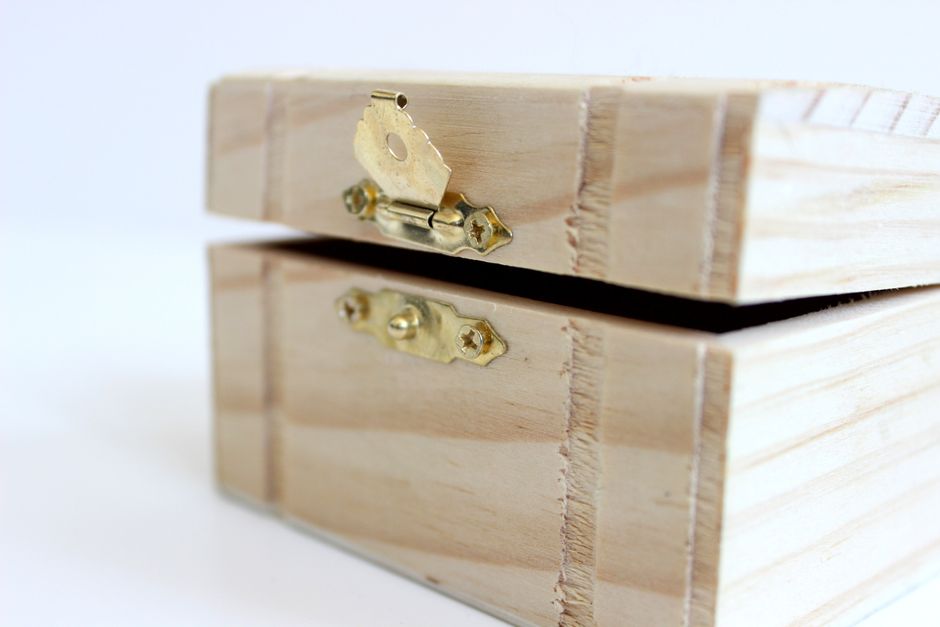
Boveda 84% RH Seasoning Pack (Size 60)
Seasoning a brand-new humidor.
Use this before your first cigars ever go in. It seasons the dry cedar so the box stops stealing moisture from your cigars — far safer than the wet-sponge method.
Check price on Amazon →- Brings cedar to spec without water
- Foolproof — no over-wetting
- No mold risk
- Single-use; not for storage
- Best for Travel
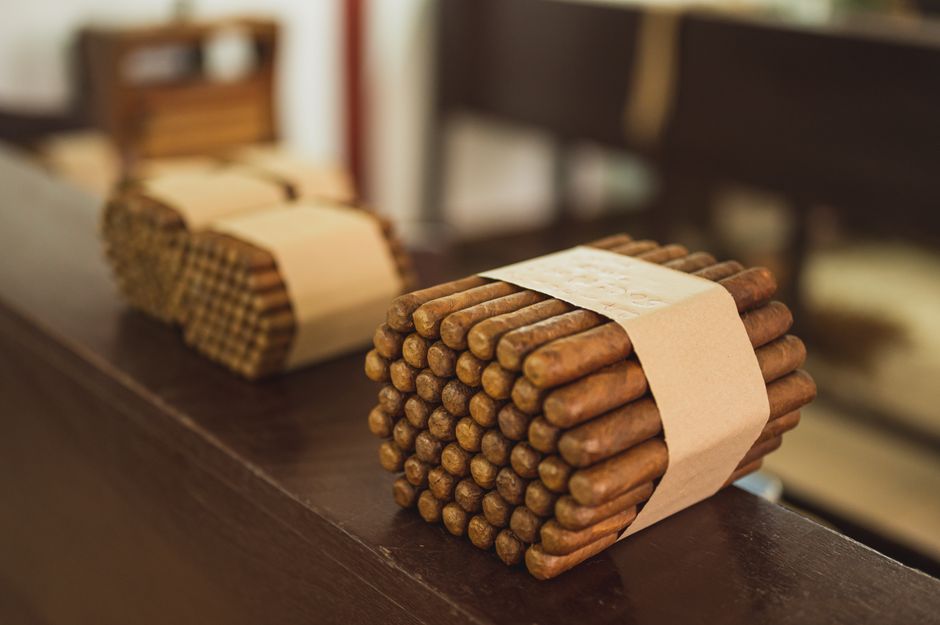
Boveda 69% RH Size 8 (10-Pack)
Travel cases, jars, and single boxes.
The right Boveda for everything that isn’t a full humidor — travel cases, glass jars, a single box of cigars. Buy the 10-pack so you always have a fresh one.
Check price on Amazon →- Small size fits travel cases
- 10-pack keeps you stocked
- Same precise 69%
- Too small for large humidors
| Pick | Best for | Price | |
|---|---|---|---|
| Best OverallBoveda 69% RH Size 60 (8-Pack) | The default for most desktop humidors. | $25 | Check price → |
| Editor’s PickBoveda 65% RH Size 60 (4-Pack) | A drier store for a firmer draw. | $14 | Check price → |
| Best for a New HumidorBoveda 84% RH Seasoning Pack (Size 60) | Seasoning a brand-new humidor. | $8 | Check price → |
| Best for TravelBoveda 69% RH Size 8 (10-Pack) | Travel cases, jars, and single boxes. | $15 | Check price → |
Prices are indicative and change often — tap through for the live price on Amazon.
What are cigar beetles?
A cigar beetle is a small, reddish-brown beetle — about 2 to 3 millimeters long, roughly the size of a sesame seed — whose larvae tunnel through dried tobacco leaf and other dried goods. The species is Lasioderma serricorne, and University of Florida entomology researchers note it also infests dried fruit, cereal, cocoa, coffee beans, spices, nuts, and pet food — tobacco is one host among many, not a special target.
The full life cycle runs about 40 to 90 days depending on temperature, and a single female can lay 10 to 100 eggs. That's the reason an infestation that starts as one stray beetle in a box can turn into visible wrapper damage across an entire humidor within a couple of months if it's never spotted.
Cigar beetle, tobacco beetle, and cigarette beetle are the same insect. Most cigar sites use only one of the three names, which is part of why searches for "cigar beetle" and "cigarette beetle" turn up such different-looking results — one leans cigar-community forums, the other leans pest-control and agricultural-extension sites. They're describing the identical bug. In our own keyword research for this guide, searches for the generic "cigarette beetle" name outnumber "cigar beetle" more than 10 to 1 — which is exactly why a plain web search on the topic tends to surface pantry- and spice-cabinet pest-control advice with nothing about wrappers, humidors, or aging a box of cigars back to health.
Signs of a cigar beetle infestation
The clearest sign of a cigar beetle infestation is a small, round pinhole in a cigar's wrapper — that's the exit hole a larva chews on its way out after feeding inside the leaf. A single hole on one stick can be a fluke; holes on multiple cigars, or a fine dust (frass) collecting at the bottom of your humidor, means an active infestation.
Watch for:
- Pinhole-sized holes in the wrapper, often with a faint ring of loose tobacco around the edge.
- Fine, sawdust-like powder (frass) in the tray or on the humidor floor — larval waste and chewed tobacco.
- A live beetle — small, oval, reddish-brown — crawling on a cigar or the humidor lining.
- A musty or unusually sweet smell distinct from normal aged-tobacco aroma, sometimes reported alongside a heavier infestation.
- Crumbling or hollow-feeling spots under the wrapper when you gently press a cigar.
One hole doesn't mean your whole collection is lost — check every cigar in the box individually rather than assuming the worst or throwing everything out.
Are cigar beetles harmful to humans?
Cigar beetles are not a danger to people — they don't bite, sting, or carry disease, and the University of Florida's entomology fact sheet on the species lists no human-health risk associated with it. The real damage is entirely to the tobacco: larvae tunnel through the leaf, hollow out the filler, and can turn an expensive cigar into an unsmokable one. Treat an infestation as a storage problem to fix quickly, not a health emergency.
How do cigar beetles get into a humidor?
Cigar beetles almost always arrive already in the cigar, not from the air or the wood. Eggs or larvae can be present in tobacco leaf at the farm or factory level and simply go unnoticed through rolling, aging, and shipping — most infestations trace back to one contaminated box rather than pests migrating into a sealed humidor from outside.
Two conditions make an existing infestation worse once cigars are inside:
- Heat. Beetle eggs and larvae become active above roughly 74°F, which is one of the reasons our humidity guide recommends keeping a humidor well below that line, not just watching relative humidity.
- Undisturbed storage. A humidor that's rarely opened or rotated gives an infestation weeks or months to spread from one box to the rest of the collection before anyone notices.
How to get rid of cigar beetles
The standard fix is to freeze the affected cigars, which kills eggs, larvae, and adult beetles without damaging the tobacco if it's done correctly.
- Isolate every affected cigar — and, to be safe, every cigar in the same section of the humidor — away from the rest of your collection immediately.
- Bag each cigar in a sealed plastic bag to prevent moisture loss during freezing and to contain anything that crawls out.
- Freeze for 72 hours. A deep freeze (not just a refrigerator) is what actually kills the insect at every life stage; our guide to how long cigars last covers this same 72-hour protocol for damaged sticks.
- Thaw slowly at room temperature, still sealed, for 24 hours before opening the bag — opening a cold cigar to warm, humid air causes condensation that can crack the wrapper.
- Inspect again. Discard any cigar with visible tunneling or a hollowed filler; wrapper-only holes on an otherwise sound cigar are typically still smokable once treated.
- Deep-clean the humidor — wipe down the interior, replace the humidification media, and check every remaining cigar individually before returning anything to storage.
Skip the temptation to just throw the whole box away — freezing is the community-standard fix precisely because most infestations are containable once caught.
How to prevent cigar beetles from coming back
Prevention comes down to the same two levers that control an existing outbreak: keep temperature down and inspect new stock before it joins the rest of your collection.
- Keep your humidor below 74°F. Combined with the 65–70% relative humidity range from our cigar humidity guide, this keeps conditions outside the range beetle eggs need to activate.
- Quarantine new purchases for a week or two in a separate container before mixing them with your main collection, especially cigars from a retailer or auction site you haven't bought from before.
- Inspect on the way in, not just when something looks wrong — a quick wrapper check on new arrivals catches an infestation before it spreads.
- Rotate your stock. Opening and checking your humidor regularly means you catch pinholes and frass within days instead of months.
- Use a reliable hygrometer so you actually know your humidor's real conditions rather than assuming the dial is accurate.
Conclusion
A cigar beetle infestation is common, contained, and rarely fatal to a whole collection — the fix is isolate, freeze for 72 hours, thaw slowly, and inspect. The best defense is temperature control and a quick wrapper check on anything new before it joins the rest of your humidor. For the humidity and setup routine that keeps beetles and dried-out cigars both from becoming a problem, start with how to store cigars. Pinholes aren't the only wrapper surprise worth identifying correctly — see our guide on telling plume from actual mold for the other common storage confusion, a white or dusty coating that isn't beetle-related at all.
FAQ
What do cigar beetles look like?
Cigar beetles are small, reddish-brown, oval-shaped beetles about 2 to 3 millimeters long — roughly the size of a sesame seed. They're easiest to spot as a pinhole-sized exit hole in a cigar's wrapper rather than the beetle itself, since the insect is small and usually stays inside the tobacco.
How common are cigar beetles?
Cigar beetle infestations are uncommon in a well-maintained humidor but not rare industry-wide, since the eggs or larvae usually arrive already inside a box of cigars rather than developing from nothing. Most collectors who smoke regularly will encounter at least one infested cigar at some point.
Do cigar beetles bite?
No, cigar beetles don't bite people. They feed exclusively on dried tobacco and similar dried goods, not on skin, and pose no direct health risk to humans.
How long do cigar beetles live?
A cigar beetle's full life cycle, from egg to adult, typically takes 40 to 90 days depending on temperature. Warmer conditions speed development, which is part of why keeping a humidor below roughly 74°F matters for prevention.
Does freezing kill cigar beetles?
Yes. Freezing cigars for 72 hours in a sealed bag, followed by a slow 24-hour thaw at room temperature, kills cigar beetles at every life stage — egg, larva, and adult — without damaging the tobacco if the process is followed correctly.
Can one infested cigar ruin my whole humidor?
It can, if it's not caught. A single infested cigar left in a warm, undisturbed humidor can allow eggs to hatch and larvae to spread to neighboring cigars over weeks or months, which is why isolating and inspecting the rest of the box the moment you spot a pinhole matters.
Are cigar beetles the same as pantry moths?
No. Cigar beetles (Lasioderma serricorne) are a distinct species from pantry moths, though both are common dried-goods pests. Cigar beetles leave round pinholes and fine powdery frass; pantry moths are more associated with webbing and larvae in flour, cereal, and grain products.
How can I tell a cigar beetle apart from a bed bug, carpet beetle, or drugstore beetle?
A cigar beetle has a smooth reddish-brown shell, evenly saw-toothed antennae with no club, and infests dried tobacco. The drugstore beetle is the closest look-alike from the same family, sharing the same size and reddish-brown color. Its wing covers have pitted grooves, its antennae end in three-segment clubs, and it infests flour, cereal, or spices. A bed bug is noticeably bigger at roughly a quarter-inch, flat rather than domed, and bites people for blood, which a cigar beetle never does. A carpet beetle is smaller, rounder, and domed like a ladybug with mottled scales, feeding on fabric, wool, or dead insects instead of tobacco. In practice, non-biting humidor insects are cigar beetles, grooved pantry pests are drugstore beetles, biting bedding bugs are bed bugs, and patterned fabric bugs are carpet beetles.