Cigar Wrapper Types (Maduro, Connecticut…)
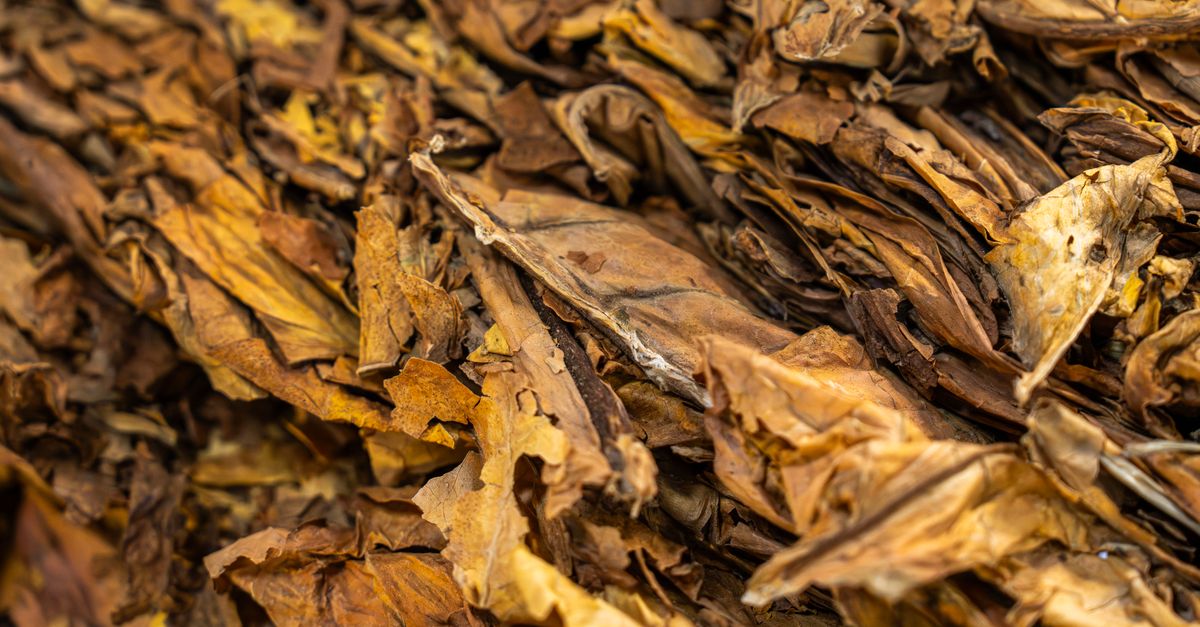
The wrapper is the thin outer tobacco leaf that shapes much of a cigar's flavor, color, and character. Because it has such a strong influence on taste, understanding the main wrapper types can help you choose cigars you're more likely to enjoy. Options range from mild, creamy Connecticut Shade to dark, sweet Maduro. This guide explains the major cigar wrappers and what each one tastes like.
One common misconception is that a darker wrapper automatically means a stronger cigar. It doesn't. Wrapper color comes from how the leaf was grown and fermented, not its nicotine strength. Below, we'll look at the main wrapper families and explain how to read what's on the band.
What is a cigar wrapper?
A cigar wrapper is the outermost leaf that wraps the bound filler and binder tobacco inside. It is the most visible part of the cigar and contributes an outsized share of the flavor and aroma. Because it is the leaf your lips and the burn touch most directly, growers treat wrapper tobacco with extra care, sorting it for color, texture, and a flawless surface.
Wrapper character is shaped by three things:
- Where it is grown: Soil and climate in Connecticut, Ecuador, Nicaragua, and beyond each leave a signature.
- How it is grown: Shade-grown leaves are milder; sun-grown leaves are bolder and oilier.
- How it is fermented: Longer, hotter fermentation darkens the leaf and deepens its flavor.
Two cigars with identical insides can taste very different based on the wrapper alone. That is why smokers talk about wrappers so much.
Wrapper vs. binder vs. filler — the three leaves in every cigar
Every cigar is built from three distinct tobacco components, and the wrapper is only one of them. Knowing what the other two do makes it clearer why two cigars sharing a wrapper can still smoke very differently.
- Wrapper: The outermost leaf, chosen almost entirely for cosmetics and flavor — an unblemished, evenly colored leaf with the oil and elasticity to roll cleanly. It contributes the single largest share of what you taste and smell.
- Binder: The leaf wrapped around the filler bundle, just underneath the wrapper. Binder leaves are coarser and less visually refined than wrapper leaf — thicker veins and uneven color don't matter here — because the job is holding the filler together and burning evenly, not looking good.
- Filler: The blended tobacco inside, usually a mix of leaves from different positions on the plant (ligero from the top of the plant for strength, seco and volado from lower down for burn and combustion). Filler supplies most of a cigar's strength and body.
The wrapper gets most of the attention because it's the leaf you see and the first one your lips and tongue meet, but binder and filler do the heavier lifting on strength and burn quality.
Cigar wrapper types compared
The major cigar wrappers run from pale and mild to nearly black and rich. The table below compares the most common types by color, typical strength, and flavor. Use it as a quick map before you read the details on each.
| Wrapper | Color | Typical strength | Flavor profile |
|---|---|---|---|
| Connecticut Shade | Light tan / golden | Mild | Creamy, smooth, cedar, light pepper |
| Connecticut Broadleaf | Dark brown (Maduro) | Medium–full | Sweet, cocoa, coffee, earth |
| Habano | Reddish-brown | Medium–full | Spicy, peppery, rich |
| Corojo | Reddish-brown | Medium–full | Peppery, leathery, classic Cuban-style |
| Cameroon | Brown with tooth | Medium | Sweet spice, nutty, woody |
| Sumatra | Medium–dark brown | Medium | Earthy, spicy, slightly sweet |
| Oscuro / Maduro | Very dark to black | Medium–full | Deep, sweet, espresso, dark chocolate |
Strength here is a general tendency, not a rule. The blend inside the cigar can shift the experience in either direction.
Connecticut shade: the mild classic
Connecticut shade is the pale, golden wrapper known for a mild, creamy smoke. It is grown under cheesecloth tents that filter the sun, which keeps the leaf thin, smooth, and low in pepper. The result is silky smoke with notes of cream, cedar, and a light touch of spice. Today most "Connecticut" wrappers are actually grown in Ecuador, where natural cloud cover does the shading.
Connecticut shade is the go-to for new smokers because it is gentle and approachable. Brands like Oliva Connecticut and many "Connecticut" lines build mild, breakfast-friendly cigars around it. If you are just starting out, this is the easiest wrapper to enjoy — see our picks for the best cigars for beginners.
What does maduro mean?
Maduro means "ripe" in Spanish, and it refers to a dark wrapper produced by longer, hotter fermentation — not to a cigar's strength. The extended fermentation breaks down sugars and darkens the leaf, giving Maduro wrappers their signature sweet, rich notes of cocoa, coffee, and dark fruit. A Maduro can be mild or full-bodied; the color tells you about flavor, not nicotine.
Connecticut broadleaf is one of the most prized Maduro wrappers. It is a thick, sun-grown leaf fermented until it turns deep brown to black, yielding sweetness and a smooth, chewy texture. So "Connecticut broadleaf" and "Connecticut shade" share a state name but sit at opposite ends of the wrapper spectrum — one dark and sweet, one pale and mild. When a band says Maduro, expect a darker, sweeter, richer profile.
Bold and full-flavored wrappers
Habano, Corojo, and Oscuro wrappers deliver the boldest, spiciest cigar experiences. These sun-grown or heavily fermented leaves bring pepper, leather, and deep dark-chocolate notes that experienced smokers seek out. They reward a developed palate and pair well with coffee or a robust drink.
Here is how the bolder wrappers differ:
- Habano: A reddish-brown, Cuban-seed wrapper full of pepper and spice. Common on Nicaraguan cigars.
- Corojo: A peppery, leathery leaf with a classic Cuban-style character and lots of depth.
- Oscuro: The darkest, oiliest leaf, fermented longest for intense sweet-and-earthy flavor.
- Sumatra: Earthy and spicy with a hint of sweetness, often a touch milder than Habano.
Premium Cuban-style lines such as Cohiba showcase how wrapper choice shapes a cigar's whole personality. Even within one brand, swapping the wrapper changes the smoke dramatically.
Cameroon and other specialty wrappers
Cameroon wrappers offer a sweet, nutty, medium-bodied profile prized for their toothy texture. Grown originally in West Africa, true Cameroon leaf is rare and gives a distinctive spicy-sweet flavor with a slightly bumpy surface. It sits between the mild Connecticuts and the bolder Habanos, making it a versatile crowd-pleaser. See our full best Cameroon-wrapper cigars roundup for specific picks.
Other specialty wrappers round out the map:
- Sumatra: Earthy and mildly sweet, popular on Dominican and Nicaraguan blends.
- Criollo: A foundational Cuban-seed leaf, naturally sweet and medium-bodied.
- San Andrés: A Mexican Maduro leaf with bold cocoa and earth notes.
- Jalapa: Grown in Nicaragua's Jalapa valley, a region known for a more delicate, floral-leaning leaf than the bolder tobacco grown around Estelí. Often used to soften a blend rather than add punch.
- Java: An Indonesian wrapper leaf in the same broad family as Sumatra, giving an earthy, slightly sweet profile. It shows up mostly on small-batch and boutique blends rather than mainstream lines.
Exploring wrappers is one of the best ways to find your taste. Start mild, then work toward bolder leaves as your palate develops. The same leaf types used to wrap traditional cigars also appear in herbal and cannabis products — our cigar wraps for weed guide covers how tobacco-leaf wraps differ from standard rolling papers. If you store cannabis alongside cigars and want the right humidity level, our Boveda for weed guide covers the packs optimized for flower.
Wrapper choice pairs naturally with ring gauge and length. Our cigar sizes guide maps the common vitolas so you can match the wrapper type to the format you prefer, and our guide to how ring gauge alone changes the way a given wrapper smokes covers that trade-off directly.
Flavor notes by wrapper: sweet, chocolate, vanilla, and caramel
Wrapper choice is the fastest way to predict the sweet-versus-savory character of a cigar before you ever light it. Some wrapper families lean toward dessert-like sweetness — chocolate, vanilla, caramel — while others stay dry, peppery, and savory no matter how long you smoke them. Matching a wrapper's flavor lean to your palate, more than chasing a specific strength number, is usually the faster way to find cigars you'll actually enjoy.
| Wrapper | Dominant sweet/dessert notes | General strength lean |
|---|---|---|
| Connecticut Shade | Light cream, faint honey, hay | Mild |
| Cameroon | Nutty-sweet, light caramel, spice | Medium |
| Connecticut Broadleaf (Maduro) | Cocoa, dark caramel, dried fruit | Medium–full |
| San Andrés Maduro | Espresso, dark chocolate, molasses | Medium–full |
| Habano | Little sweetness; pepper and leather dominate | Medium–full to full |
| Corojo | Little sweetness; leather and pepper dominate | Medium–full |
| Sumatra | Light sweetness under an earthy, spicy base | Medium |
Chocolate and coffee notes come almost entirely from Maduro-family wrappers — Connecticut Broadleaf and Mexican San Andrés both get their cocoa-and-espresso character from extended, hotter fermentation, not from the tobacco starting out sweet. Vanilla and cream notes are the signature of Connecticut Shade and other pale, shade-grown leaves, where a gentler, shorter cure keeps the sugars light rather than concentrating them. Caramel sits in between — Cameroon wrapper is the classic example, nutty and lightly caramelized without the deep cocoa of a true Maduro.
Strength is a separate axis from sweetness, and it's easy to conflate the two: a dark, chocolatey Maduro can still be medium-bodied, while a sweetness-light Habano can run full. If sweetness is what you're chasing, start with the wrapper family, not the color alone — our dedicated roundups go deeper on each: best Maduro cigars for the chocolate-and-espresso end, best Connecticut Shade cigars for the cream-and-vanilla end, and best Habano cigars if pepper and leather over sweetness is more your style.
The traditional wrapper color scale (Candela to Oscuro)
Wrapper color also gets graded on an older, separate scale that has nothing to do with wrapper family. Where "Connecticut," "Habano," and "Corojo" describe seed lineage and growing method, the color scale simply ranks how light or dark the finished leaf is — and a single family can show up at several points on it depending on how it was fermented.
Running from lightest to darkest:
- Double Claro / Candela: Green-tinted and the lightest wrapper made. Leaves are picked early, while still high in chlorophyll, and flash-dried under heat rather than slow air-cured — that quick-heat process locks in the green tint and produces a grassy, mild flavor that has little to do with the rest of the blend's strength.
- Claro: Light tan, typically shade-grown, mild and smooth.
- Colorado Claro: Light brown, a step darker and slightly richer than Claro.
- Colorado: Medium reddish-brown with more visible oil and a fuller flavor.
- Colorado Maduro: Brown, sitting between Colorado and full Maduro — noticeably richer but not as dark or sweet as Maduro.
- Maduro: Dark brown, from extended fermentation, sweet and rich — the same process this guide's Maduro section describes above.
- Oscuro: Near-black, the longest-fermented and oiliest wrapper on the scale.
Because this scale grades color rather than seed, a Habano-seed leaf fermented dark enough can be labeled Oscuro, and a Connecticut broadleaf fermented to full darkness is what most bands call Maduro. The color scale and the family name answer two different questions — where the leaf is from vs. how dark it turned out.
Why cigar wrappers crack, peel, or unravel — causes and fixes
A cracked or peeling wrapper is almost always a humidity or handling problem, not a flaw in the leaf itself. Three things cause most wrapper damage:
- Humidity swings: Moving a cigar between very different humidity environments — a well-calibrated humidor, a dry car, an air-conditioned room — makes the leaf expand and contract. The wrapper, being the thinnest layer, is the first to crack under that stress.
- Rough handling: Jostling loose cigars together in a pocket, travel case, or bag without dividers puts direct pressure and friction on the wrapper. Fingernails and rings are common culprits too.
- Over-dry storage: Wrapper leaf kept below the humidity range cigars are normally stored at (roughly 65–72% RH) turns brittle and loses the elasticity that lets it flex without splitting.
Fixing a small crack: For a minor crack discovered mid-smoke, a light dab of saliva or plain water on a fingertip, pressed gently over the split, will often re-moisten the leaf enough to hold it together for the rest of the cigar. A small strip of clear tape wrapped around the affected area works as a temporary patch too. Neither is a permanent fix — get the cigar back into proper humidity afterward, and expect a cracked wrapper to stay fragile even once rehydrated.
When the wrapper burns faster or slower than the filler: This shows up as canoeing (one side burning ahead of the other) or the wrapper visibly lagging behind an evenly burning filler. It usually points to a construction or rolling issue — uneven filler density, a wrapper rolled on too loosely or too tightly, or a wrapper that dried out unevenly in the box — rather than anything the smoker did. Rotating the cigar slowly as you smoke and touching up the slow side with a lighter will usually even it back out; it isn't a sign to relight the whole cigar or worry about the blend itself.
Conclusion
Cigar wrappers shape most of what you taste, from the creamy Connecticut shade to the sweet, dark Maduro and the peppery Habano. Remember that wrapper color signals how a leaf was grown and fermented — not how strong the cigar is. The best way to learn is to smoke across the range and notice what you prefer. New to cigars? Begin with a mild Connecticut and explore our guide to the best cigars for beginners, then track your favorites in the Humidor Tracker.
Maduro, Habano, Connecticut: what the wrapper actually tastes like
Wrapper names come up constantly in cigar discussions — maduro cigar, habano, connecticut shade, ecuadoran. Understanding what each wrapper does is one of the most useful shortcuts to picking cigars you'll enjoy.
Maduro wrappers are darker leaves that have been fermented longer to concentrate sugars. Expect chocolate, coffee, dark fruit, and a natural sweetness. Broadleaf (grown in Connecticut) and San Andrés (grown in Mexico) are the two most common maduro sources. Popular maduro-wrapped cigars include Ashton Aged Maduro and CAO Maduro.
Habano wrappers are Cuban-seed tobacco (now grown mostly in Ecuador and Nicaragua) that delivers pepper, spice, leather, and earth. Habano is the classic full-bodied wrapper. Almost every modern Nicaraguan powerhouse (My Father Le Bijou 1922, Ashton VSG in Sun Grown form, Nub Habano) uses a Habano-family wrapper.
Connecticut Shade is the mildest common wrapper — grown under shade cloth in the Connecticut River Valley or Ecuador. Expect creamy, buttery, mild smoke with notes of cedar and hay. Ashton Classic and Davidoff Signature Series are canonical examples.
Wrapper contributes roughly 60% of what you taste, but the filler and binder shape body and strength. A Broadleaf Maduro on Nicaraguan filler smokes very differently from a Broadleaf Maduro on Dominican filler — the Padrón 1964 Anniversary Maduro is a good example of how the underlying tobacco changes the character.
Habano vs Maduro: Which Wrapper Should You Pick?
Habano vs Maduro is the head-to-head that trips up most new smokers, because both are dark and both look bold. The difference is how they get their flavor. A Habano wrapper is a Cuban-seed leaf that delivers pepper, spice, and leather from the tobacco itself. A Maduro wrapper is any leaf fermented longer and hotter until it turns dark and sweet, giving cocoa and coffee instead of spice.
| Dimension | Habano | Maduro |
|---|---|---|
| Color | Reddish to dark brown | Dark brown to near black |
| Flavor | Pepper, spice, leather, earth | Chocolate, coffee, dark fruit, sweetness |
| Made by | Cuban-seed varietal grown in sun | Extended, hotter fermentation of a thick leaf |
| Sweetness | Low — savory and spicy | High — natural fermented sweetness |
| Common examples | My Father Le Bijou, Nub Habano | Padrón 1964 Maduro, CAO Maduro |
The verdict: Pick a Habano when you want a peppery, savory, classic full-bodied smoke. Pick a Maduro when you want sweetness, chocolate, and coffee richness. Note that a leaf can be both — a Habano-seed leaf fermented to maduro darkness exists — so read the band, not just the color. If you are choosing between a dark maduro and a lighter leaf, see our dedicated maduro vs natural cigars comparison.
FAQ
What does maduro mean on a cigar?
Maduro means "ripe" in Spanish and refers to a dark wrapper made by longer, hotter fermentation. It signals a sweeter, richer flavor with cocoa and coffee notes — not extra strength. A Maduro cigar can be mild or full-bodied depending on the blend.
Is a darker cigar wrapper stronger?
Not necessarily. A darker wrapper comes from more fermentation and often tastes sweeter and richer, but the overall strength depends on the filler tobacco inside. Many dark Maduro cigars are smooth and medium-bodied rather than harsh.
What is a Connecticut wrapper?
A Connecticut wrapper is a light tan to golden, shade-grown leaf that produces a mild, creamy smoke with notes of cedar and a touch of pepper. Growers raise it under cheesecloth tents that filter direct sunlight, which keeps the leaf thin and low in the compounds that build a heavier, spicier flavor. Most tobacco sold as "Connecticut" today is actually grown in Ecuador under similar shade conditions, using seed originally developed in Connecticut's River Valley. It's the mildest common wrapper family, which is why it's the usual starting point for a new smoker.
What is the difference between Connecticut shade and Connecticut broadleaf?
Connecticut shade is a pale, shade-grown leaf that smokes mild and creamy. Connecticut broadleaf is a thick, sun-grown leaf fermented into a dark, sweet Maduro. They share a state name but sit at opposite ends of the flavor spectrum.
Which cigar wrapper is best for beginners?
Connecticut shade is the best wrapper for beginners because it is mild, smooth, and creamy. It avoids the pepper and intensity of darker leaves. Try a Connecticut-wrapped cigar first, then move toward bolder wrappers as your palate grows.
Does the wrapper really affect a cigar's flavor?
Yes. The wrapper is the most flavor-influential leaf in a cigar, contributing a large share of its taste and aroma. Two cigars with identical filler can taste very different based on the wrapper alone, which is why smokers focus on it.
What is the difference between a Habano and a Maduro wrapper?
A Habano wrapper is a Cuban-seed leaf grown in the sun that tastes peppery, spicy, and leathery. A Maduro wrapper is any leaf fermented longer and hotter until it darkens and turns sweet, giving chocolate and coffee notes. Habano gets its flavor from the tobacco varietal; Maduro gets its flavor from extended fermentation. A single leaf can even be both — a Habano-seed leaf fermented to maduro darkness.
What is a Corojo wrapper?
A Corojo wrapper is a reddish-brown, Cuban-seed leaf known for a peppery, leathery flavor and medium-to-full body. It's one of the classic bold wrapper types alongside Habano and Oscuro, and it reads spicier and earthier than a Connecticut or Cameroon wrapper.
What is a Sumatra wrapper?
A Sumatra wrapper is a medium-to-dark brown leaf, originally grown in Indonesia, that delivers an earthy, spicy flavor with a hint of sweetness. It typically smokes a touch milder than Habano and shows up often on Dominican and Nicaraguan blends. Ecuador now also grows Sumatra-seed wrapper tobacco, commonly sold as "Ecuador Sumatra."
What is a Natural wrapper?
"Natural" isn't one specific leaf — it's a trade term for any wrapper that hasn't gone through the extended fermentation that produces a Maduro or Oscuro. Connecticut shade, Habano, and Corojo are all commonly sold as "Natural" wrapper cigars, since they sit toward the lighter end of the color scale described above rather than the Maduro/Oscuro end. See our maduro vs natural cigars comparison for how the two style categories differ in practice.