How to Pack Cigars for Travel (and Take Them on a Plane)
Traveling with cigars comes down to two things: protecting them from damage and keeping them from drying out. Toss one loose into a suitcase or jacket pocket, and chances are it won't make it through the trip intact. The wrapper may crack, the foot can crumble, or the entire cigar may dry out before you get to enjoy it.
This guide covers how to choose the right case, maintain humidity on a short trip, and travel by air with cigars, cutters, and lighters.
Our Top Picks
How we pick: we weigh quality, real-world performance, and value across strengths and budgets — and only list what we’d actually buy. Buying through our links may earn us a commission at no extra cost to you.
- Top pick · Best Overall
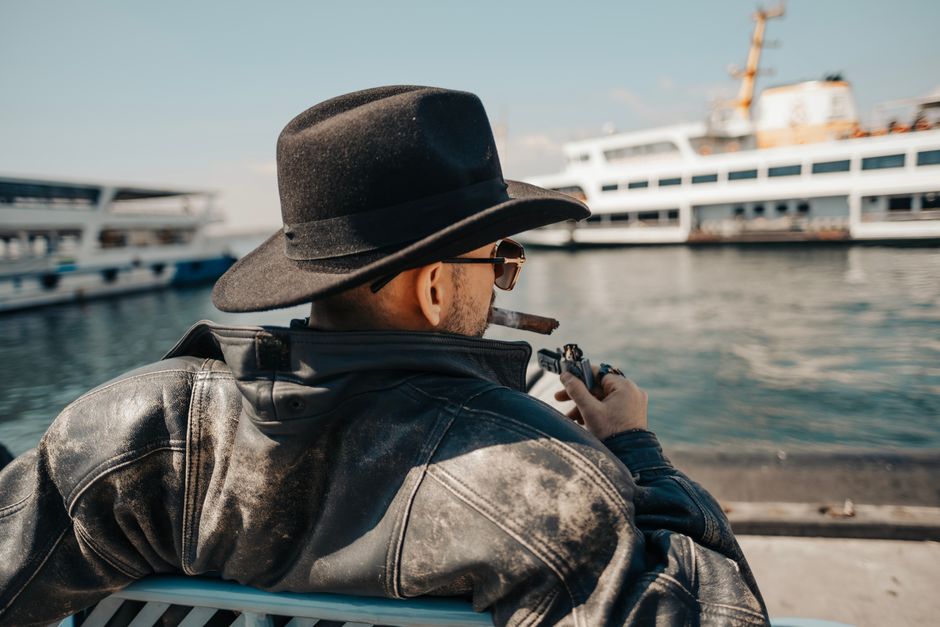
Cigar Caddy 5-Cigar Travel Humidor
Carrying a few cigars safely anywhere.
The default travel case for good reason. A crushproof, watertight shell that protects five cigars in a bag or trunk — add a small Boveda pack and they ride for days.
Check price on Amazon →- Crushproof and waterproof
- Holds humidity with a small pack
- Affordable
- Bulkier than a leather case
- Best Leather
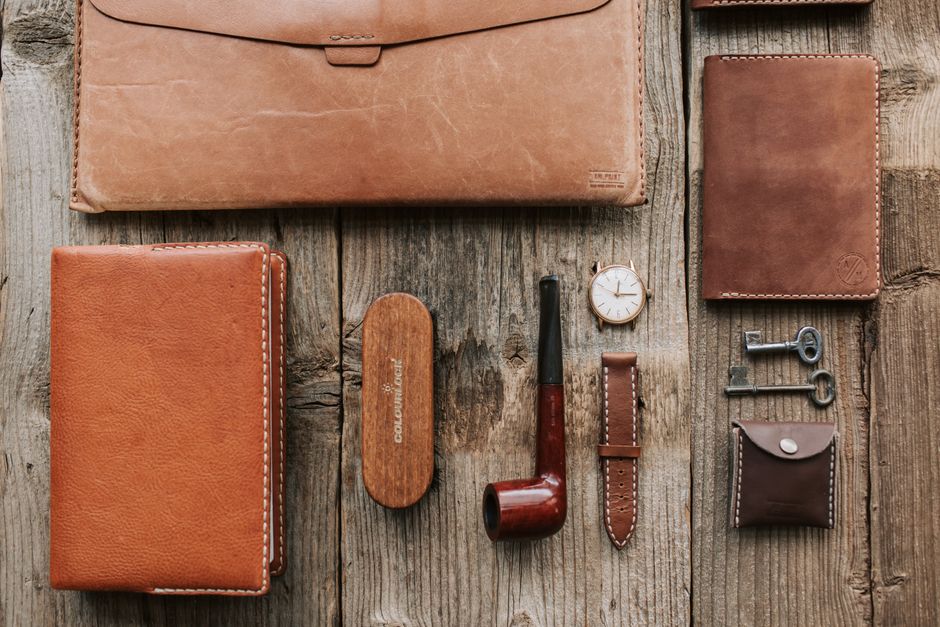
Mantello Leather 3-Finger Cigar Case
Slipping a few cigars in a jacket pocket.
For a night out, not a road trip. A slim leather case carries three cigars in style — just don’t sit on it, and smoke them the same day since it won’t hold humidity.
Check price on Amazon →- Slim, pocket-friendly
- Soft leather looks sharp
- Adjustable for length
- No crush protection
- No humidity control
- Best Protection
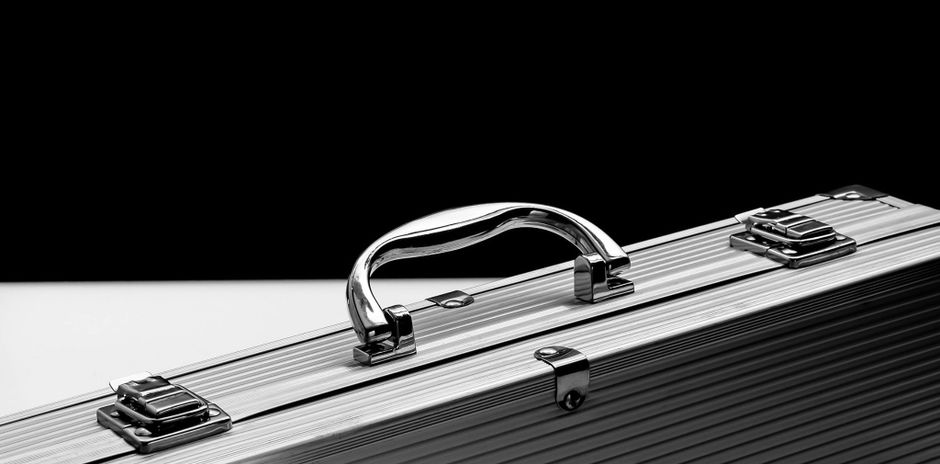
XIKAR Travel Humidor Case (5 ct)
Maximum protection for premium cigars.
When the cigars are worth protecting. XIKAR’s hard case is the most rugged here — a watertight seal and lifetime warranty for cigars you can’t afford to crush.
Check price on Amazon →- Toughest crushproof shell here
- Watertight O-ring seal
- Lifetime warranty
- Most expensive option
- Best for One
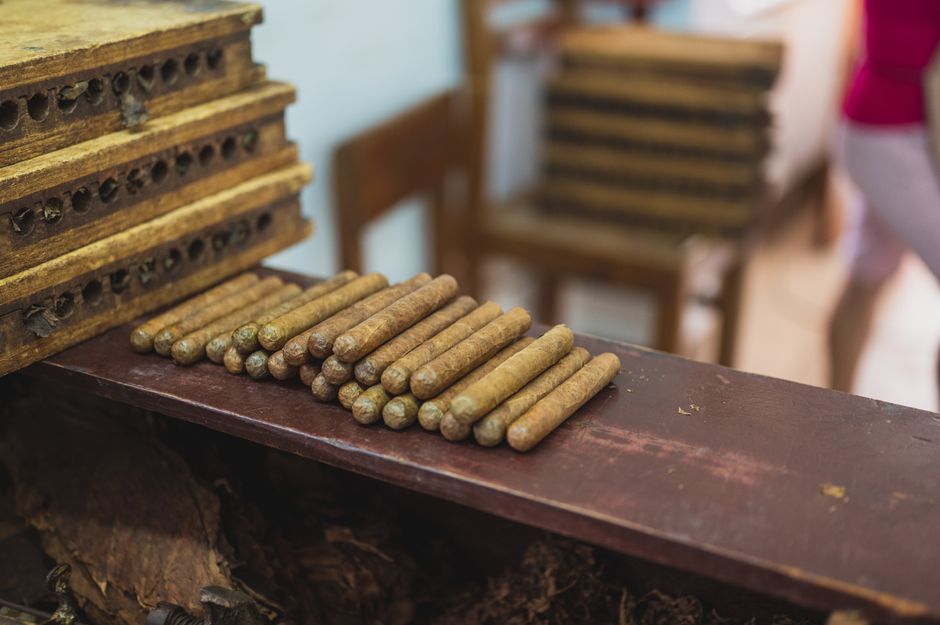
Visol Stainless Steel Cigar Tube
Taking a single cigar along.
The grab-and-go option. A slim metal tube guards a single cigar in a pocket or bag — perfect when you just want one with you and nothing bulky.
Check price on Amazon →- Tiny and pocketable
- Protects one cigar well
- Cheap
- Holds only one
- No humidity pack
| Pick | Best for | Price | |
|---|---|---|---|
| Best OverallCigar Caddy 5-Cigar Travel Humidor | Carrying a few cigars safely anywhere. | $30 | Check price → |
| Best LeatherMantello Leather 3-Finger Cigar Case | Slipping a few cigars in a jacket pocket. | $20 | Check price → |
| Best ProtectionXIKAR Travel Humidor Case (5 ct) | Maximum protection for premium cigars. | $45 | Check price → |
| Best for OneVisol Stainless Steel Cigar Tube | Taking a single cigar along. | $15 | Check price → |
Prices are indicative and change often — tap through for the live price on Amazon.
Use a real travel case, not a plastic bag
A sandwich bag is not a cigar case. It offers zero crush protection, and it does nothing to slow moisture loss once a cigar is away from your humidor. A dedicated cigar travel case solves both problems at once — a rigid or semi-rigid shell that absorbs bumps and holds a stable microclimate around the cigar.
For a weekend trip, a 3-to-5 finger leather or hard case is usually enough. For checked luggage or rougher handling — flights, camping, a bag getting tossed around — a crushproof hard case is the safer call. See our full breakdown of cigar travel cases for how the case types compare on protection and capacity.
Whatever case you pick, don't overpack it. A cigar wedged tightly against its neighbors is just as likely to crack a wrapper as one bouncing around in an empty case.
Keep humidity stable, without overdoing it
A short trip does not need a full seasoned humidor setup. You need enough humidity control to keep the cigars from drying out between the time you leave home and the time you smoke them — usually a few days at most.
For a day trip: a sealed case alone is often fine. You're not away long enough to lose meaningful moisture.
For a weekend or a week: drop one small humidity pack into the case, sized to hold around 65–70% relative humidity. A single Boveda pack cut for travel fits in almost any case without adding bulk.
For longer trips: treat the case more like a mini humidor. Check the humidity pack before you leave, and confirm the case seals tightly — a case that doesn't close all the way defeats the purpose of adding a pack at all.
Don't try to replicate your home humidor's exact 70% RH down to the decimal. The goal for travel is "stable enough for a few days," not a long-term storage environment.
Flying with cigars: what to know
Cigars themselves are simple — they're allowed in carry-on bags and checked luggage in the US, since they carry no fuel or blade to flag at security. Pack them in your carry-on when possible so you control the temperature and handling; checked bags get tossed around and can sit on hot tarmac.
Your tools are where the rules get specific, and they're worth double-checking before every trip since airport security rules do shift over time:
- Cutters with an exposed blade — guillotines, V-cutters, cigar knives — are generally treated like any other bladed item and are typically required to go in checked luggage, not carry-on.
- Torch lighters are commonly restricted in checked bags due to fuel, and butane torches specifically often face carry-on limits as well, since they burn hotter than a standard lighter flame.
- Punch cutters with no exposed blade sometimes clear security differently than a guillotine, but don't count on it — treat any cutter as checked-luggage gear unless you've confirmed otherwise.
Because these rules are set by TSA and can change, always check current guidance on TSA.gov before you fly, or call the TSA line if your itinerary is tight on connections. Our lighters on planes guide covers the lighter-specific rules in more depth if that's the piece of your kit you're worried about.
Avoid temperature extremes
Humidity isn't the only threat on the road — temperature swings do real damage too, and they're easier to overlook than a dry case.
A hot car trunk is one of the most common ways travelers ruin cigars without realizing it. Trunk temperatures can climb well past 100°F on a warm day, which dries out the wrapper fast and can sweat the oils out of the tobacco, leaving a flat, harsh smoke. The same goes for a cargo hold or an airport tarmac wait — cigars sitting in direct heat for hours will not taste the way they did when you packed them.
The fix is simple: keep cigars with you, not in a hot trunk or an exposed bag. If you're driving, bring the case into the cabin. If you're flying, carry-on beats checked for exactly this reason — cabin temperature is controlled, cargo holds are not.
Traveling Internationally With Cigars
Crossing a border with cigars adds a customs limit on top of everything above about cases and humidity. Returning U.S. travelers 21 and older can bring back up to 100 cigars duty-free under the U.S. Customs and Border Protection (CBP) personal exemption rules, and anything beyond that exemption can be taxed, detained, or seized at the border. Declare tobacco products when you land, even if you're confident the count falls inside your exemption. That 100-cigar allowance is a general rule for most countries of origin. It does not apply the same way to Cuban cigars, which fall under separate embargo rules. See our guide on why Cuban cigars are restricted before you buy a box abroad expecting to bring it home.
Building the rest of your travel kit
A well-packed cigar case is only half the kit. Pack a cutter and a reliable lighter alongside your cigars, and check the TSA rules for each before you leave — they're not always the same as the rules for the cigars themselves. A small humidity pack, a sturdy case, and the right tools packed in the right bag cover almost every travel scenario.
FAQ
Can you bring cigars on a plane?
Yes. Cigars are allowed in both carry-on and checked luggage in the US, since they don't contain fuel or a blade. The tools you pack alongside them — cutters and torch lighters — are where the restrictions usually apply.
Do cigars need a humidor when traveling?
No, not a full humidor. A sealed travel case, with a small humidity pack added for trips longer than a day or two, keeps cigars fresh enough for the length of a normal trip.
Can I pack a cigar cutter in my carry-on?
Generally no — cutters with an exposed blade are typically required to go in checked luggage, similar to other bladed items. Rules can change, so confirm current guidance on TSA.gov before you fly.
Can I bring cigars back into the US from another country?
Yes, up to 100 cigars duty-free per returning traveler 21 or older, under CBP's personal exemption rules. Declare them at customs. Cuban-origin cigars face different restrictions than the general 100-cigar allowance, covered in our guide on why Cuban cigars are restricted.
Will cigars dry out in a suitcase?
Yes, faster than most people expect. A cigar packed loose in a suitcase with no case or humidity pack can noticeably dry out within a day or two, especially in a pressurized cargo hold.
Conclusion
Packing cigars for travel is mostly about avoiding two mistakes: skipping a real case, and ignoring humidity and temperature until it's too late. Use a proper travel case, add a small humidity pack for anything longer than a day trip, and keep your cigars out of hot trunks and cargo holds. Check TSA.gov before you fly if you're bringing a cutter or torch lighter, since those tools — not the cigars — are what security cares about.