Best Cigar Brands
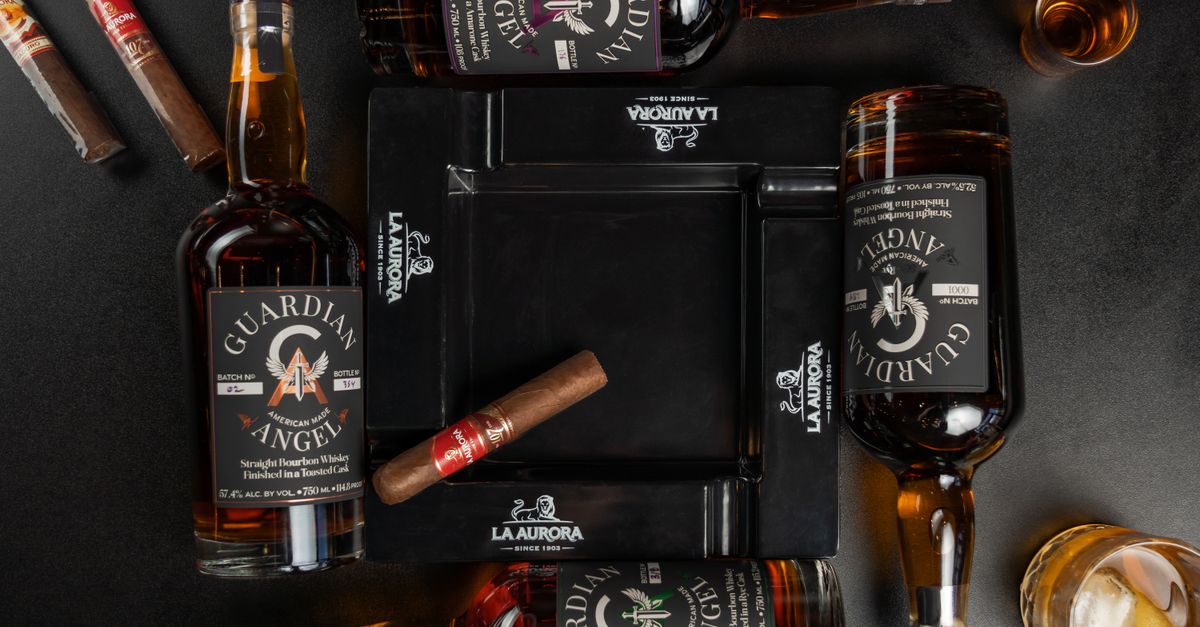
The best cigar brands build their reputations on consistency, flawless construction and a signature flavor you can rely on every time. The brands below are among the world's most popular and respected, each with its own distinct style, from Padrón's box-pressed power to Macanudo's gentle mildness. Once you know what each brand is known for, finding cigars you'll love becomes much easier.
This guide covers the leading premium cigar brands, what they're famous for, their typical strength, and who they suit best. Start with the comparison table, then explore the individual brand notes. For new blends and brand announcements as they ship, visit cigar news.
Our Top Picks
How we pick: we weigh quality, real-world performance, and value across strengths and budgets — and only list what we’d actually buy. Buying through our links may earn us a commission at no extra cost to you.
Padrón's 1964 Anniversary is the cigar many enthusiasts point to when describing a great Nicaraguan. If you buy one cigar to understand a top brand, this is a sound choice.
Check price →- Best Overall
Padrón 1964 Anniversary Series
Anyone who wants the benchmark Nicaraguan puro that other brands get measured against.
Padrón's 1964 Anniversary is the cigar many enthusiasts point to when describing a great Nicaraguan. If you buy one cigar to understand a top brand, this is a sound choice.
Check price →- Box-pressed Nicaraguan puro with deep, consistent aged-tobacco character
- Available in both natural and maduro wrappers
- Reliable construction and burn from a long-established family-owned maker
- Premium price for an everyday smoke
- Full-flavored profile is a lot for a true beginner
- Editor’s Pick
Arturo Fuente Hemingway
Smokers who want a classic Dominican cigar from one of the most respected family makers.
The Hemingway line is Arturo Fuente at its most recognizable: smooth, balanced, and dependable. A solid introduction to the Dominican side of premium cigars.
Check price →- Silky Cameroon wrapper over Dominican tobacco, medium-bodied and approachable
- Distinctive perfecto shapes
- Consistent quality from a long-running Dominican family operation
- Perfecto shapes can be trickier to light evenly
- Popular sizes can be hard to find in stock
- Mildest
Montecristo White Series
Beginners who want an easygoing, mild-to-medium cigar from a famous name.
The White Series is the gentlest way into the Montecristo name: creamy, balanced, and mild. A safe pick for a first cigar.
Check price →- Ecuadorian Connecticut shade wrapper, mild and creamy
- Even burn and forgiving draw, friendly for newer smokers
- Widely stocked and easy to find
- Too mild for smokers who want bold strength
- This is the Dominican Montecristo, not the Cuban brand
- Best Value
Oliva Serie V Melanio
Experienced smokers chasing flagship flavor without flagship pricing.
Serie V Melanio is Oliva's flagship and a strong value play in premium cigars: a full, complex Nicaraguan blend at a price that undercuts many rivals.
Check price →- Ecuadorian Sumatra wrapper over Nicaraguan filler, rich and full
- Highly decorated flagship line with real depth
- Delivers a lot of flavor for its price
- Full-bodied strength can overwhelm new smokers
- Best enjoyed after a meal rather than on an empty stomach
| Pick | Best for | Price | |
|---|---|---|---|
| Best OverallPadrón 1964 Anniversary Series | Anyone who wants the benchmark Nicaraguan puro that other brands get measured against. | $16–$22 / single | Check price → |
| Editor’s PickArturo Fuente Hemingway | Smokers who want a classic Dominican cigar from one of the most respected family makers. | $8–$13 / single | Check price → |
| MildestMontecristo White Series | Beginners who want an easygoing, mild-to-medium cigar from a famous name. | $9–$14 / single | Check price → |
| Best ValueOliva Serie V Melanio | Experienced smokers chasing flagship flavor without flagship pricing. | $11–$16 / single | Check price → |
Prices are indicative and change often — tap through for the live price on Amazon.
What makes a great cigar brand
A great cigar brand combines consistent construction, a recognizable house style, and quality tobacco. The best brands taste the same from one box to the next, so you always know what you are getting. That reliability is what separates a legendary maker from a one-off hit.
Three traits define the top cigar brands:
- Consistency: Every cigar burns and tastes the way it should.
- Signature style: A flavor identity, like Padrón's cocoa or Macanudo's cream.
- Quality tobacco: Well-aged leaf grown and blended with care.
The popular cigar brands below all clear that bar, which is why they show up in humidors everywhere — once a box arrives, see how to store cigars to keep them at the right humidity and how long cigars last once you've bought them.
Best cigar brands ranked by style
The best cigar brands cover every strength and price point, so this table maps each one to its signature. Find a style you like, then read the brand profile below.
| Brand | Strength | Known for | Best for |
|---|---|---|---|
| Padrón | Medium–full | Box-pressed, cocoa-rich power | Premium full-flavor |
| Arturo Fuente | Mild–full | Flawless construction, Opus X | All-around excellence |
| Oliva | Medium–full | Huge value, Serie V Melanio | Flavor on a budget |
| Montecristo | Mild–medium | Smooth, creamy classics | Trusted everyday smoke |
| Romeo y Julieta | Mild–medium | Easygoing, historic name | Reliable daily cigars |
| Macanudo | Mild | Creamy Connecticut mildness | Beginners and mellow days |
| Drew Estate | Medium–full | Bold, modern, Liga Privada | Adventurous palates |
| Rocky Patel | Medium–full | Stylish, flavorful blends | Variety seekers |
| Cohiba | Mild–full | Famous name, two versions | Status and flavor |
| Davidoff | Mild–medium | Refined, luxury smoothness | Premium treats |
| Ashton | Mild–medium | Polished consistency | Smooth, refined smokes |
Who actually makes premium cigars
A cigar brand name and the factory that actually rolls it are frequently two different things, and knowing the difference explains a lot about why some brands overlap in flavor. Two structures dominate the industry: large multi-brand corporate portfolios, and independent family-run factories that roll for themselves and for hire.
Corporate portfolios own the rights to several brand names at once and produce them across shared factories. Scandinavian Tobacco Group, through its General Cigar Company subsidiary, produces Macanudo, CAO, Punch, Hoyo de Monterrey, and the US-market non-Cuban versions of Partagas and Cohiba out of factories in the Dominican Republic, Honduras, and Nicaragua. Altadis USA (operating as Tabacalera USA) holds the US rights to the non-Cuban Montecristo, Romeo y Julieta, and H. Upmann names, made under license in the Dominican Republic and Honduras rather than by the original Cuban makers.
Independent family factories are the other major structure, and several of them make far more than their own namesake brand. The Fuente family has run its own Dominican factories for generations, and the Padrón family does the same in Nicaragua — both roll only their own brand. The Garcia family's My Father Cigars is different: alongside its own My Father and Flor de las Antillas lines, the Garcias' Nicaraguan and Honduran factories produce Tatuaje, L'Atelier, San Cristobal, and La Aroma de Cuba under contract for other brand owners. The Plasencia family runs an even larger version of that model — five generations of Nicaraguan and Honduran tobacco growing and rolling that has, at various points, produced cigars behind the Rocky Patel and Alec Bradley names (both brands got their start working with Nestor Plasencia) in addition to the family's own eponymous Plasencia Cigars line.
The upshot: two cigars from different "brands" can come out of the very same factory, blended by the very same family, which is part of why certain names keep showing up together in flavor comparisons across this site. Rocky Patel and Alec Bradley both started this way, as a brand contracted to an existing factory rather than one built from scratch — for what that path looks like today, see our guide on how to start a cigar brand.
Davidoff and STG are two separate companies. Davidoff itself is owned by the family-run Oettinger Davidoff Group, a Swiss company that also owns Avo, Camacho, Zino, Griffin's, Cusano, and Private Stock. None of those brands belong to Scandinavian Tobacco Group.
STG, described above, owns a much larger stable that includes Macanudo, La Gloria Cubana, Captain Black, Panter, La Paz, Café Crème, and the non-Cuban versions of Partagas and Cohiba, and it has added to that list in recent years through acquisitions of boutique names like Room101 and Alec Bradley. So "owned by Davidoff" and "owned by STG" point at two entirely different corporate parents with almost no brand overlap between them.
The premium powerhouses
These premium cigar brands are known for flawless construction and top-tier tobacco. They sit at the high end of quality, and many smokers consider them the gold standard.
Padrón
Padrón is famous for rich, box-pressed cigars with deep cocoa, coffee, and dark spice. Its Anniversary lines, the 1964 and 1926, are among the most celebrated cigars made. The strength runs medium to full, and the construction is flawless. It is the brand to reach for when you want premium full-flavor. Most Padrón lines come in both Natural and Maduro wrapper options, and the two can taste noticeably different from the same underlying blend. Explore the full Padrón lineup to see which sizes offer each.
Arturo Fuente
Arturo Fuente is known for impeccable construction across an enormous range, from mild Chateau cigars to the legendary Opus X. Few brands span so many strengths so well. It suits almost any smoker, beginner to expert. The rare Opus X is a collector's prize. See the lineup on the Arturo Fuente brand page.
Davidoff
Davidoff is the luxury benchmark, known for refined, ultra-smooth cigars with clean, elegant flavor. Its mild blends are some of the silkiest made. The strength leans mild to medium, and the price is high. It is the brand for a premium treat or a gift.
The value champions
These cigar brands deliver outstanding flavor for the money. You do not need to spend top dollar to smoke well with any of them.
Oliva
Oliva is famous for premium flavor at a fair price, headlined by the Serie V Melanio. Expect medium-to-full smokes with coffee, cocoa, and spice. The construction rivals brands costing far more. It is the smart pick for flavor on a budget. More options live on the Oliva brand page and in our best cheap cigars guide.
Rocky Patel
Rocky Patel is known for stylish, flavorful cigars across a wide range of blends. The medium-to-full lineup offers something for most palates at reasonable prices. The bands are sharp and the blends are bold. It is a great brand for trying variety.
Alec Bradley belongs in this value-forward company too, and its Kintsugi line is worth knowing by name — a medium-bodied, Honduran-made cigar with a Cuban-seed Honduran wrapper over Nicaraguan and Honduran filler, named for the Japanese art of repairing broken pottery with gold lacquer. It runs around $8 per stick, squarely in the value tier, and earned a spot in Cigar Aficionado's Top 25 the year it released. For how that price compares across the category, see our cigar pricing guide.
The smooth classics
These popular cigar brands built their names on smooth, dependable, easygoing cigars. They are trusted by beginners and veterans alike.
Montecristo
Montecristo (in its non-Cuban form) is known for smooth, creamy cigars with almond and coffee notes. The strength sits mild to medium, and the quality is consistent. It carries one of the most famous names in cigars — see how it stacks up against another famous name in Montecristo vs. Cohiba. See it on the Montecristo brand page.
Romeo y Julieta
Romeo y Julieta is a historic brand known for easygoing, reliable cigars like the 1875 line. Expect mild-to-medium smokes with cedar, nuts, and light sweetness. They are affordable and consistent. They make excellent daily cigars. Explore the Romeo y Julieta brand page.
Macanudo
Macanudo is the mild cigar brand, famous for creamy, gentle Connecticut-wrapped smokes like Macanudo Cafe. It is the classic recommendation for beginners and mellow mornings. The strength is genuinely mild and the burn is even. It is smoothness defined. Visit the Macanudo brand page.
Ashton
Ashton is known for polished, refined cigars with smooth cream, cashew, and cedar notes. The lineup is consistent and well-built. The strength runs mild to medium. It is a great brand when you want mild but elevated. Ashton's cigars are blended and hand-rolled by the Arturo Fuente family in the Dominican Republic, which explains the shared polish between the two brands. See the full Ashton lineup.
Villiger
Villiger is a Swiss, family-run cigar maker founded in 1888, one of the oldest continuously operating names in the business. In the US it is best known for machine-made cigarillos like Villiger Export — mild-to-medium, Cameroon-wrapped, and priced in the roughly $1–$3-per-stick range, making it one of the most consistent budget picks in the category. See it alongside other short-format picks in our best cigarillos guide.
The bold and modern brands
These cigar brands push flavor and strength in bold, modern directions. They appeal to smokers who want intensity and character.
Drew Estate
Drew Estate is known for bold, modern cigars, none more famous than the Liga Privada No. 9. Expect rich, full-bodied flavor with espresso, dark chocolate, and pepper. The brand reshaped what a contemporary cigar could be. It suits adventurous, experienced palates. See the full lineup — including the ACID infused line — on the Drew Estate brand page.
Cohiba
Cohiba is one of the most famous cigar names in the world, with two distinct versions. The Cuban Cohiba is a full-flavored Havana legend, while the non-Cuban Cohiba, made in the Dominican Republic, is a milder, legally available line. Strength varies by version. For the rules behind the split, see why are Cuban cigars illegal, then explore the Cohiba brand page.
Conclusion
The best cigar brands each own a clear identity — Padrón for cocoa-rich power, Oliva for value, Macanudo for mildness, Davidoff for luxury. Knowing what each brand stands for makes choosing your next cigar simple. Match the brand's strength, style, and size to your taste, and you will rarely be disappointed. Once you've settled on a favorite, a good whiskey pairing rounds out the experience. For context on how the cigar industry evolved, our cigar history guide covers the origins of the major growing regions and why certain countries dominate today. If budget is no object, our most expensive cigars guide profiles the rarest collectible smokes. To narrow down by where the tobacco is grown, our best cigars by country guide maps the flavor differences across Nicaragua, the Dominican Republic, Honduras, and Cuba. Ready to pick a specific cigar? Browse our best cigars roundup, or start gentle with the best cigars for beginners guide. Not ready to commit to a full box from one brand? A cigar-of-the-month club is a low-cost way to sample several brands before you settle on a favorite.
Cuban cigar brands vs non-Cuban: what you can actually buy
Most famous cigar brands exist in two versions: a Cuban original made in Havana and a non-Cuban successor made elsewhere in the Caribbean or Central America. This is a legacy of the 1960s Cuban embargo, which cut Cuban tobacco off from the U.S. market — see our Cuban cigar legality guide.
Cuban cigar brands you cannot legally buy in the U.S.:
- Cohiba (Cuban)
- Montecristo (Cuban)
- Romeo y Julieta (Cuban)
- Partagás (Cuban)
- H. Upmann (Cuban)
- Bolívar (Cuban)
- Hoyo de Monterrey (Cuban)
- Quai d'Orsay (Cuban — a brand created for the French market, still Havana-produced)
These famous Cuban names are also among the most counterfeited cigars sold online — see how to spot fake cigars before buying from an unfamiliar source.
Non-Cuban brands (widely available in the U.S.):
- Arturo Fuente, Ashton, Davidoff (all Dominican)
- Padrón, My Father, Oliva, Perdomo (all Nicaraguan)
- Rocky Patel (Honduran/Nicaraguan)
- Camacho, Punch (Honduran)
- Non-Cuban Cohiba, Montecristo, Romeo y Julieta, Partagas (Dominican/Nicaraguan by General Cigar / Altadis)
- Other worth-knowing brands: Gurkha, CAO, Drew Estate, Macanudo, Nub (Studio Tobac / Oliva imprint)
The non-Cuban versions of the Cuban legacy brands are not the same cigars — different tobacco, different factories, different blenders. Some (non-Cuban Cohiba Blue, non-Cuban Partagas Black Label) are excellent cigars in their own right; none of them are Cuban Cohibas or Cuban Partagás. Whether the Cuban original actually tastes "better" than its non-Cuban namesake comes down to the tobacco itself — see Cuban vs Dominican cigars for how the two leaf traditions actually compare. If you want to know which brands actually deliver in the modern U.S. market, our roundup covers the field. Once you've picked a brand, see where to buy cigars online for reputable retailers.
Cigar brands A–Z
Beyond the profiles above, here's a quick alphabetical index of every brand covered on this site, useful if you already know the name you're looking for:
A: Alec Bradley, Arturo Fuente, Ashton, Avo · B: Backwoods, Black & Mild · C: CAO, Camacho, Cohiba, Crowned Heads · D: Davidoff, Drew Estate · G: Gurkha · M: Macanudo, Montecristo, My Father · N: Nub · O: Oliva · P: Padrón, Partagas, Perdomo, Punch, Plasencia · R: Rocky Patel, Romeo y Julieta · S: San Cristobal, Swisher Sweets · T: Tatiana, Toscano
Every brand page above covers strength, signature lines, and where each one fits — start with the profile that matches the style you already like from the table. Looking for a specific starting letter and don't see it here? The list above covers every brand with a dedicated page on this site; the profiles higher up cover the rest of the major names by style rather than alphabetically.
More budget & boutique brands worth knowing
Beyond the brands with dedicated guides above, a few other names come up often enough to be worth a quick mention — some budget, some boutique:
- Backwoods: A rustic, natural-leaf-wrapped budget brand — irregular in shape by design, a different look from the smooth machine-made brands below.
- Al Capone: A cigar/cigarillo brand known for its rum-, cognac-, and menthol-dipped flavored lines — Nicaraguan filler and binder wrapped in a dark Brazilian Bahia leaf, a different profile from American HTL-wrapped convenience-store brands like White Owl or Swisher Sweets.
- Phillies: A classic American budget cigar brand, similar in price and style to Dutch Masters and White Owl — widely stocked in convenience stores.
- Garcia Vega: A long-running American value-tier brand, mild and inexpensive, sold in singles and multi-packs.
- Viaje: A boutique brand built on small-batch, limited releases — cigars sell out fast and command real hype on the secondary market.
- Aging Room (Boutique Blends Cigars): A boutique line known for elegant wood-and-leather packaging and medium-to-full Nicaraguan-forward blends.
- AJ Fernandez: A widely respected Nicaraguan blender who both makes his own brand (including the New World line) and blends for several other names on this page, including Romeo y Julieta.
- Espinosa: A boutique brand from blender Erik Espinosa, known for bold Nicaraguan blends like Laranja and Habano.
- Tabak Especial: A Drew Estate line built specifically to pair with coffee — a maduro wrapper with a naturally sweet profile.
- Foundation Cigar Co.: Founded by former Drew Estate master blender Nicholas Melillo, known for the Charter Oak and Tabernacle lines.
- Diamond Crown: A J.C. Newman ultra-premium line known for exceptionally long, elegant formats and well-aged tobacco.
- La Aurora: One of the oldest cigar factories in the Dominican Republic (founded 1903), producing several well-regarded lines including the 1903 and Preferidos.
- Crux: A boutique small-batch brand known among enthusiasts for its Nicaraguan-forward blends.
- Optimo: A name many smokers encounter as a retailer-associated cigar line rather than a single nationwide brand — check the specific blend/vitola before buying.
FAQ
What is the best cigar brand?
There is no single best cigar brand, but Padrón and Arturo Fuente are among the most respected for construction and flavor. The best brand for you depends on the strength and style you prefer, from mild Macanudo to full-bodied Drew Estate.
What cigar brand is best for beginners?
Macanudo is the best cigar brand for beginners. Its Connecticut-wrapped cigars are genuinely mild, creamy, and smooth, with an even burn that forgives small mistakes. Montecristo and Romeo y Julieta are also excellent gentle starting points. Once you have a brand in mind, pick a mild Connecticut-wrapped stick in a small ring gauge for your first cigar.
Which cigar brands are the best value?
Oliva and Rocky Patel offer the best value among premium cigar brands. Oliva's Serie V Melanio in particular tastes like a far pricier cigar. Both deliver excellent construction and flavor without a high price.
What is the difference between Cuban and non-Cuban Cohiba?
Cuban Cohiba is a full-flavored cigar made in Havana, while non-Cuban Cohiba is a separate, milder line made in the Dominican Republic. The non-Cuban version is sold legally in the United States, since Cuban cigars remain restricted for most U.S. buyers. Buying any premium cigar means meeting the minimum age to buy cigars, and if you're ordering online, see is it legal to buy cigars online for the rules.
How many cigar brands are there?
There is no single official count, but well over a hundred premium cigar brands are actively sold in the U.S. market alone, ranging from major manufacturers like General Cigar and Altadis USA down to small boutique blenders that release a few thousand cigars a year. This guide focuses on the dozen or so brands with the strongest reputation and widest availability — see the A–Z index above for the full list this site covers, or our dedicated best boutique cigars guide if it's the small-batch makers you're after.
What cigar brands are sold at gas stations?
Gas stations mostly stock cheap, machine-made little cigars and cigarillos — names like Swisher Sweets, Black & Mild (made by John Middleton Co.), White Owl, and Dutch Masters — not the handmade premium brands profiled above. They're a different tier entirely: machine-bound rather than hand-rolled, built for speed and price rather than complexity, and several flavored varieties in that category get used as blunt wraps rather than smoked as-is. See our cheap gas station cigars guide for the full brand-by-brand breakdown, or our cigar wraps guide if you're asking about the wrap-rolling use case specifically.
Are there cigar brands to avoid?
Avoid any brand you can't verify, rather than any specific named brand. Every name profiled on this page makes a legitimate, well-constructed cigar at its price point. The real risk is counterfeit product sold as a famous name, especially "Cuban" cigars offered outside a licensed retailer.
See how to spot fake cigars for the tells. Within genuine, legitimately sold cigars, "avoid" really comes down to taste and strength matching your palate. Brand quality across the profiles above isn't the issue.
What are considered "name brand" cigars?
"Name brand" cigars are the widely recognized, established names covered in the table and profiles above: Padrón, Arturo Fuente, Montecristo, Romeo y Julieta, Cohiba, Davidoff, and similar. They're distinct from generic or store-branded cigars in the same way a name-brand grocery product differs from a store label. Name recognition tracks reputation fairly well in this category, since the brands that built the strongest names also tend to have the tightest quality control.
Are there organic cigar brands?
Certified-organic premium cigars are rare, since most tobacco farming for handmade cigars doesn't pursue formal organic certification even where growing practices are relatively clean. A handful of boutique makers have marketed organic or pesticide-free tobacco over the years, but no major brand on this page's table currently markets a certified-organic line. If organic certification specifically matters to you, verify it directly on the manufacturer's own packaging or site rather than assuming from marketing language like "natural" or "pure," which aren't the same claim.
Which cigar brands taste sweet?
Drew Estate's Acid line and infused cigars generally lean the sweetest, built around botanicals and dessert-like flavoring rather than a straight tobacco profile. Among non-infused brands, Macanudo and other Connecticut-wrapped cigars read as the mildest and creamiest, which some smokers describe as "sweet" even though no sugar or flavoring is added. Look for a beginner sampler box built around those milder brands if a gentle, approachable sweetness is what you're after.
What cigar brand has a woman's portrait on the box?
La Palina is the best-known example. The name literally means "the Paley lady," and the brand's box art features Goldie Paley, wife of founder Samuel Paley, dressed in Spanish costume. That portrait has been part of the brand's identity since the early 1900s.
Portraits of women were a common cigar box motif industry-wide in that era. La Palina is the one that carried the tradition into a modern, still-active brand.
What cigar brands come in a yellow box?
Partagas and the non-Cuban Montecristo are the two most recognized yellow-box cigars on U.S. shelves. Partagas has used a yellow box since its Dominican-made line launched in the late 1970s, and Montecristo's original Dominican blend is commonly nicknamed "Montecristo Yellow" for the same reason. Both are profiled above.
What is the 135 rule for cigars?
The 135 rule is a humidor storage guideline: your storage space's temperature and relative humidity should add up to roughly 135, about 65% RH at 70°F. It applies to how you store cigars already in your collection, not to picking a brand. See our best cigar humidors guide for the full breakdown and how it compares to the older 70/70 target.
Is it okay to buy cigars online?
Yes, buying cigars online is legal for adults 21 and older, as long as the retailer follows the Prevent All Cigarette Trafficking (PACT) Act's federal rules and your state allows tobacco shipments. See our buying cigars online legally guide for the full rundown of age verification, shipping restrictions, and the Cuban-cigar exception.
What is the most reliable website for buying Cuban cigars?
No single U.S. website qualifies, since the trade embargo bans any American retailer from legally selling Cuban cigars. Buyers shopping abroad should stick to a licensed Habanos S.A. retailer rather than an unverified site or street vendor. See our where to buy Cuban cigars abroad guide for country-by-country options and how to spot the reputable ones.
Can I legally buy Cuban cigars online?
No. Ordering Cuban cigars from any website, even one based outside the U.S. where the sale itself is legal, still violates the embargo the moment the package ships to a U.S. address. See our buying cigars online legally guide for how the embargo applies to online orders specifically.
Which online cigar store is the best?
There's no single best online cigar store for every buyer, but Famous Smoke Shop is the strongest default pick thanks to its broad selection and well-curated samplers. See our best place to buy cigars online guide for how it compares against five other major retailers by shopper type.
What happens if you get caught with a Cuban cigar in the US?
Getting caught with a Cuban cigar at U.S. customs typically means on-the-spot confiscation, plus possible additional penalties depending on the circumstances. The personal-use travel exemption that once allowed a small amount ended in 2020, so there is no current exception for cigars bought legally abroad. See our why are Cuban cigars illegal guide for the full legal history and current rules.